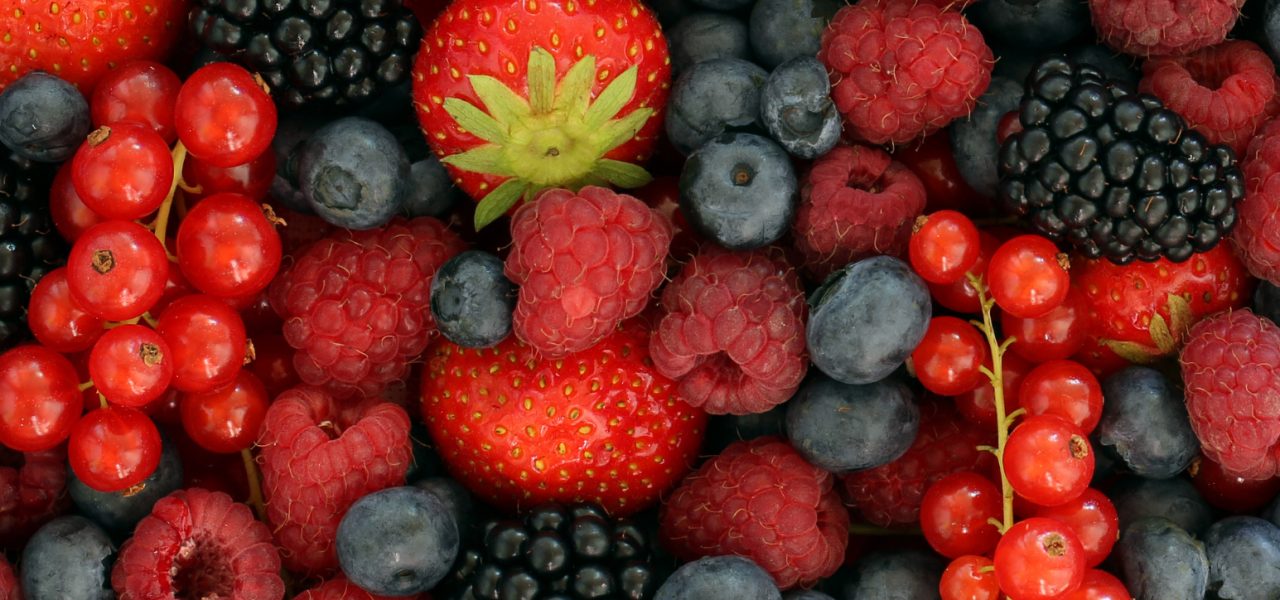
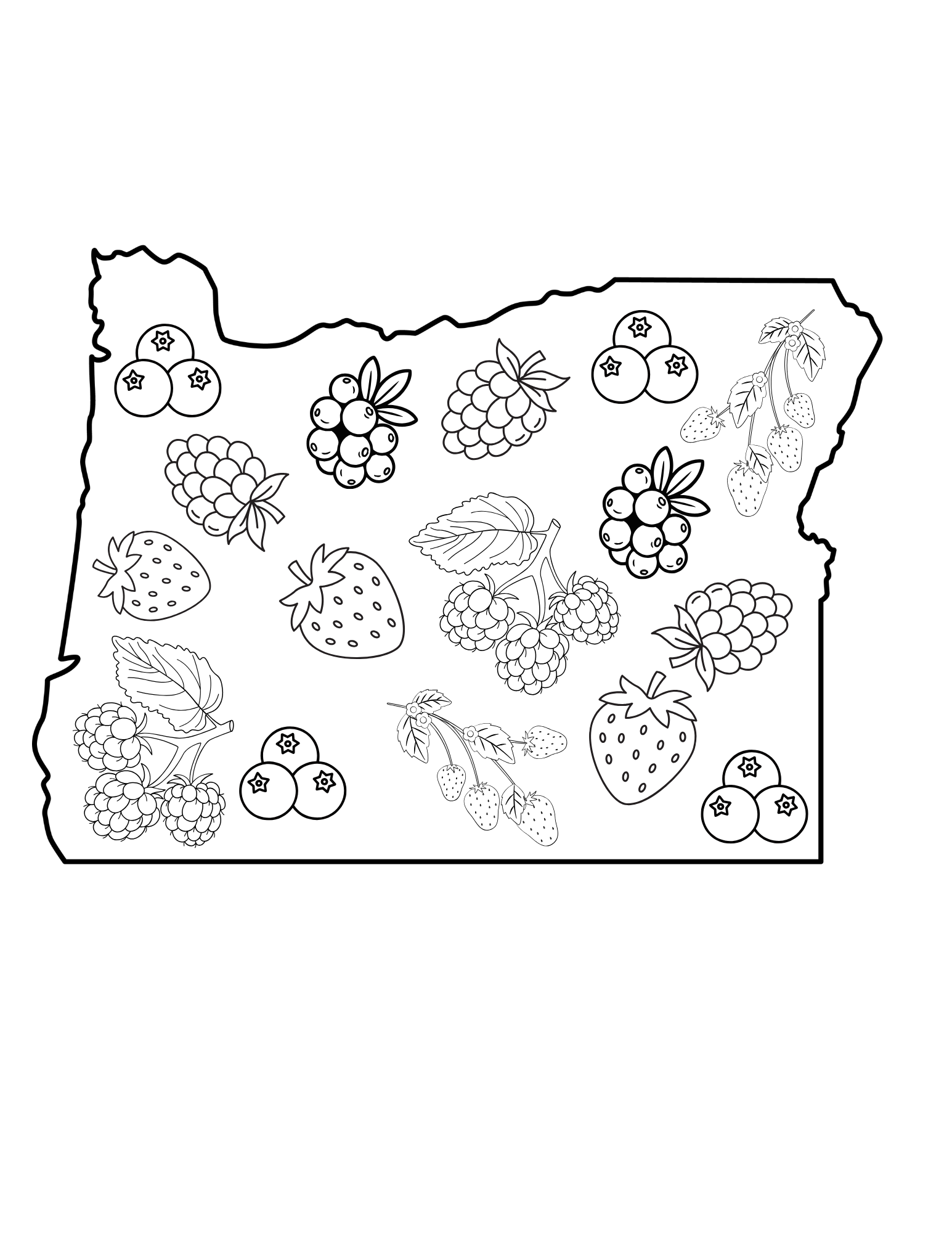
The Oregon Berry Passport is a fun follow-up activity to supplement the 2026 Literacy Project, I Love Strawberries! Students will take their berry knowledge one step further by learning about six of Oregon’s most important berry crops: strawberries, blueberries, blackberries, marionberries, cranberries, and raspberries.
 \
\The passports are divided by grade level, each aligned to CCSS & NGSS. On this page, you will find:

Oregon strawberries are bright red, juicy, and known for their sweet flavor. They are soft, heart-shaped with tiny seeds you can see and feel on the outside. Those tiny “seeds” are called achenes, and each one can grow into a new plant.
Strawberries grow very well in Oregon. The rich soil and mild, wet winters help the plants grow strong. Oregon is one of the leading strawberry-producing states in the country. Many strawberries grown here are used for fresh eating, jams, desserts, and even ice cream.
Strawberry plants are usually planted in early spring. They grow low to the ground and spread by sending out runners. Runners are long stems that grow along the soil and form new baby plants. The plants have shallow roots, green leaves with three leaflets, white flowers, and then fruit.
Strawberries need full sun (at least 6–8 hours a day), well-drained soil, and regular water to grow well. Farmers carefully prepare the soil before planting to make sure it has the nutrients the plants need.
Most Oregon strawberries are harvested from late May through July. Some special types can produce fruit through the summer and into early fall if the weather is right.
Strawberries are picked by hand when they are fully red. Once picked, they are quickly cooled to keep them fresh and sweet!
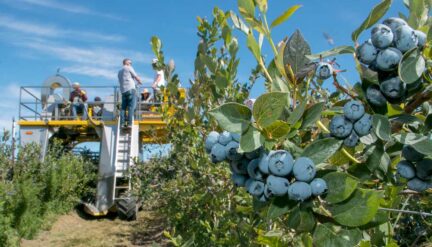
Oregon blueberries are small, round, and deep blue to purple in color. They have smooth skin and a tiny crown-shaped top. Inside, the flesh is light green and juicy. Blueberries taste sweet, and some can have a slightly tart flavor.
Blueberries grow very well in western Oregon, especially in the Willamette Valley. The mild climate and rich soil help the plants produce high-quality fruit. Oregon is one of the top blueberry-producing states in the United States. Many Oregon blueberries are sold fresh, frozen, or used in baked goods, yogurt, and smoothies.
Blueberry plants are woody shrubs. They can grow several feet tall and live for many years. In the spring, the plants grow small white or pink bell-shaped flowers. Bees help pollinate the flowers so the berries can form. After pollination, the berries grow and slowly change from green to red, and finally to blue when they are ripe.
Blueberries are usually planted in early spring. They grow best in full sun and need soil that drains well. Blueberry plants also prefer slightly acidic soil. Farmers often test the soil to make sure it has the right nutrients and conditions.
In Oregon, blueberries are typically harvested from late June through August, depending on the variety and weather. Ripe blueberries are picked by hand or by machine.
After harvest, they are quickly cooled to keep them fresh!
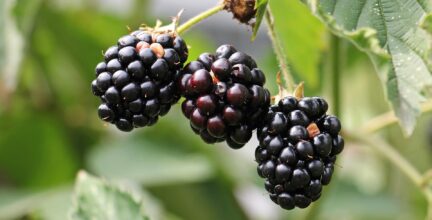
Oregon blackberries are large, shiny, and deep purple to black in color. They are made up of many small juice-filled parts called drupelets. Blackberries taste sweet or slightly tart.
Blackberries thrive in Oregon’s cool, rainy winters and warm summer days. These growing conditions help the plants develop healthy canes and produce large, flavorful berries. Oregon farmers grow millions of pounds of blackberries each year, making the state a top producer in the United States.
Blackberry plants grow on long canes that can reach several feet in length. The canes often have small thorns to protect the plant. The plants grow white or light pink flowers in the spring. Bees help pollinate the flowers so the berries can develop. After pollination, the berries change from green to red, and finally to black when ripe.
Blackberries are usually planted in early spring. They grow best in full sun and well-drained soil. Blackberry plants have strong, spreading roots that live for many years and send up new canes each growing season.
In Oregon, blackberries are typically harvested from July through August or September. Ripe berries are picked by hand or by machine and quickly cooled to keep them fresh. Blackberries are enjoyed fresh and are also used in jams, pies, and juices.
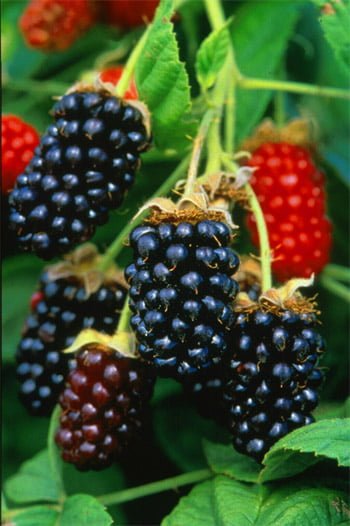
The marionberry is a special type of blackberry that was developed in Oregon! It was created at Oregon State University and is named after Marion County, where it was first tested.
Marionberries are large, dark purple to black, and very juicy. They have a rich, sweet flavor. Many people say marionberries have a stronger flavor than other blackberries. Even though they look very similar, marionberries are usually larger, longer and more oval-shaped than most common blackberries.
Marionberry plants grow on long, thorny canes. In the spring, they produce white flowers. Bees help pollinate the flowers so the fruit can grow. The berries change from green to red, and then to deep purple-black when ripe.
Marionberries are planted in early spring and grow best in full sun and well-drained soil. The plants need regular water and careful pruning each year. Their roots are very similar to blackberry roots.
In Oregon, marionberries are usually harvested in July. Most marionberries are used for jams, pies, ice cream, and other desserts. The marionberry is often called the “king of blackberries” and is one of Oregon’s most famous berries.
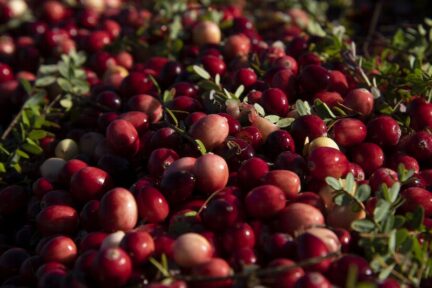
Oregon cranberries are small, round, and bright red. They are firm and very tart in flavor. Cranberries are not usually eaten fresh because they are so sour, but they are popular in juices, sauces, and dried snacks.
Cranberries grow differently than many other berries. They grow on low vines in sandy soil. In Oregon, most cranberries are grown along the southern coast, where the cool weather and sandy soil are just right.
Cranberry plants have small green leaves and pink flowers in the spring. Bees help pollinate the flowers so the berries can form. The berries turn from green to white, and then to red when ripe.
Farmers flood the fields during harvest. Because cranberries have small air pockets inside, they float on water! Farmers use special machines to gently remove the berries from the vines, and the floating berries are collected.
In Oregon, cranberries are harvested in the fall, usually from September through November. Cranberries are an important crop for Oregon’s coastal farms.
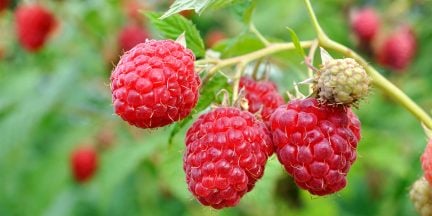
Oregon raspberries are soft, delicate berries that can be red, black, or golden in color. They are made up of many small drupelets and have a sweet, slightly tart flavor.
Raspberry plants grow on canes, similar to blackberries. The canes can have small thorns and grow several feet tall. In the spring, the plants produce white flowers. Bees help pollinate the flowers so the fruit can grow.
Raspberries are usually planted in early spring. They grow best in full sun and well-drained soil. The plants need regular water and support from wires or trellises to help keep the canes upright. Raspberry plants have deep underground roots that spread outward and can send up new shoots, helping new plants grow nearby
There are two main types of raspberry plants. Summer-bearing plants produce one large crop in early summer. Fall-bearing plants can produce fruit later in the summer and into early fall.
In Oregon, raspberries are typically harvested from June through September, depending on the variety. Ripe raspberries are carefully picked and quickly cooled because they are delicate!