Oregon Agriculture in the Classroom Logo

Featured Resources

Categories

Type

Grade Level

  • Grains Seed BankLogin to Hold

    Total Available: 1 (of )

    Must be returned

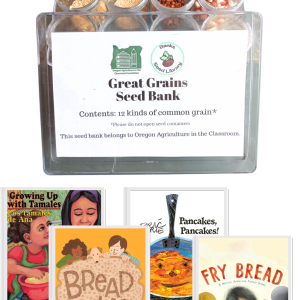
    Seed Bank: Great Grains

    This Washington County exclusive seed bank curriculum kit gives K-5th* grade classes the opportunity to get to know common grains through stories, lessons, and hands-on learning. This curriculum kit includes a seed bank with 12 types of common grains, 4 children's books about people using grains, a class set of 18 loupes, and links to 4 grain-related lessons from National Agriculture in the Classroom. This seed bank is created in partnership with the Banks Seed Library.*Note that included books are best suited to grades K-2 (though there is no age limit to enjoying the books), but which can be utilized in 3rd-5th grade class as teaching tools for studying art and literature. Third through 5th grade teachers may also opt out of receiving the books.Once you have placed your order at check out, the Washington County Programs Coordinator will be in contact with you to confirm your grade and best delivery method.This kit is available for 4 weeks, and all items contained must be returned.

  • Pancakes, Pancakes! book coverLogin to Hold

    Total Available: 1 (of )

    Must be returned

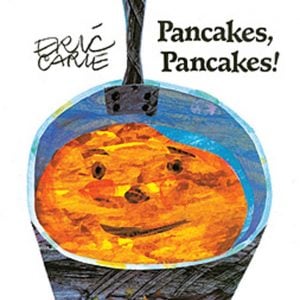
    Pancakes, Pancakes!

    Eric Carle

    Pancakes, Pancakes! by children's author and artist Eric Carle is about a boy named Jack who wakes up hungry and wants some pancakes for breakfast. BUT, first Jack has to gather wheat from the farmer, flour from the miller, eggs from the chickens, and milk from the cow. The companion book to the Breakfast Relay lesson plan and the Breakfast Relay Kit. Please check the kit out separately. This book needs to be returned. 
  • Bread lab book coverLogin to Hold

    Total Available: 1 (of )

    Must be returned

    Bread Lab

    Kim Binczewski

    It’s a sleepy Saturday morning for most people, but not for Iris, who has to feed her many pets before Aunt Mary arrives. Iris likes to call Aunt Mary “Plant Mary” because she is a plant scientist.Today Aunt Mary wants to experiment with making whole wheat sourdough bread from scratch! As the family kitchen transforms into a bread lab, Iris is surprised that bread needs only four ingredients―flour, water, salt and starter. She also learns about the invisible microbes that make the dough rise, and how flour comes from wheat grown by farmers. It all seems magical, but it’s really science. This book needs to be returned. 
  • Seed to Stove book coverLogin to Hold

    Total Available: 1 (of )

    Must be returned

    Seed to Stove

    Julie Knutson

    Follow farmer and producer Andrea Hazzard as she takes her Hazzard Free Farm grains from farm to table and discover all the ways small scale farmers contribute to what we eat--and how we live! Aligned to curriculum standards, these books also highlight key 21st Century content: Global Awareness, Financial Literacy, Health and Wellness, Civics Literacy, and Environmental Stewardship. This book must be returned.
  • OAITC grain millLogin to Hold

    Total Available: 2 (of )

    Must be returned

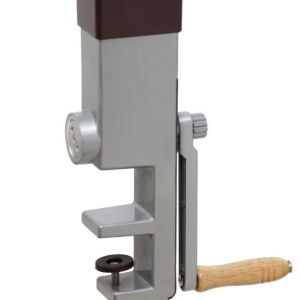
    Grain Mill

    From grain to flour in your hands! Help students explore where bread, pastries, noodles, tortillas, and other grain-based foods begin by grinding grains right in your classroom. This hands-on grain mill connects agriculture to everyday food while encouraging curiosity about the process of growing, harvesting, and preparing grain. Students will see, touch, and process grains as they turn the hand-cranked grain mill to transform grain into a food-prep ready state.Includes instructions and all 7 parts (please check to ensure you have included all parts when returning mill). Clamps easily to desk or table.Recommended grains for grinding:
    • Wheat varieties: Hard and soft wheat, spelt, einkorn, kamut, and emmer.
    • Common grains: Rye, barley, brown and white rice, and oat groats.
    • Pseudograins & millets: Quinoa, buckwheat, millet, amaranth, and teff.
    • Legumes & corn: Dried corn, lentils, chickpeas, and black beans.
    NOT recommended due to oils or structure which may damage mill or result in difficult to clean messes:
    • Oily seeds: Flax seeds, chia seeds, and sesame seeds.
    • Nuts and coffee: Peanuts, almonds, coffee beans, and spices.
    • Wet or sticky items: High-moisture or fresh-picked field corn.
    How to use video: Grain Mill - VKP1012 - YouTubeIf you like this product and would like to purchase a grain mill kit for your classroom, we recommend checking out National Agriculture in the Classroom: Grain Mill - AgClassroomStore at USU3-week checkout. This item must be returned to the Washington County OAITC office.  
  • Udder to Cheddar bookLogin to Hold

    Total Available: 1 (of )

    Must be returned

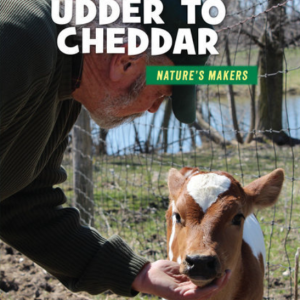
    Udder to Cheddar

    Julie Knutson

    Follow the folks as Highfield Farm Creamery as they make some of the country's best cheeses and discover all the ways small scale farmers contribute to what we eat--and how we live! Aligned to curriculum standards, these books also highlight key 21st Century content: Global Awareness, Financial Literacy, Health and Wellness, Civics Literacy, and Environmental Stewardship. Thought-provoking questions and hands-on activities encourage the development of critical life skills and social emotional growth.This book must be returned.
  • Garden to Table bookLogin to Hold

    Total Available: 4 (of )

    Must be returned

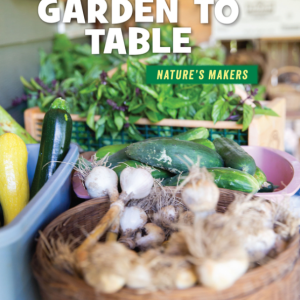
    Garden to Table

    Julie Knutson

    Follow farmer Tim Redmond of Skinny Farm of Scio as he takes produce from farm to table and discover all the ways small scale farmers contribute to what we eat--and how we live! Aligned to curriculum standards, these books also highlight key 21st Century content: Global Awareness, Financial Literacy, Health and Wellness, Civics Literacy, and Environmental Stewardship. Thought-provoking questions and hands-on activities encourage the development of critical life skills and social emotional growth. This book must be returned.
  • We Are Water Protectors bookLogin to Hold

    Total Available: 1 (of )

    Must be returned

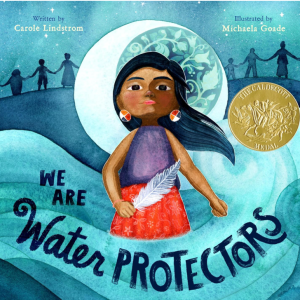
    We Are Water Protectors

    Carole Lindstrom

    We Are Water Protectors honors Indigenous-led movements across the world. Powerfully written and gorgeously illustrated, this book issues an urgent rallying cry to safeguard the Earth’s water from harm and corruption―inviting young readers everywhere to join the fight.This book must be returned.
  • Watersheds: A Practical Handbook for Healthy WaterLogin to Hold

    Total Available: 1 (of )

    Must be returned

    Watersheds: A Practical Handbook for Healthy Water

    Gregor Gilpin Beck

    Water is our most vital resource. Yet few understand even the basics of watershed ecology. Perfect for older students, this book provides a fascinating overview of the fundamentals of ecology from the simple concept of a watershed to the biological intricacies of a wetland ecosystem and its implications on the environment. More than 100 illustrations, especially done for this book, help explain the numerous environmental issues and the intricate web of life that connect each of us to all other life on the planet throughout involvement in the watershed cycle.Watersheds includes information on:
    • Water and nutrient cycles
    • Bioregions and aquatic habitats
    • Exotic species invasions
    • Water and air pollution
    • Ecological restoration
    • Habitat loss
    Special "How Can I Help?" sections throughout the book provide practical and meaningful ways in which individuals can make a difference to the health of watersheds by reducing water and air pollution, preserving native forests, and helping restore the health of streams and rivers. This book must be returned.
  • Pollen: Darwin's 130-Year Prediction bookLogin to Hold

    Total Available: 1 (of )

    Must be returned

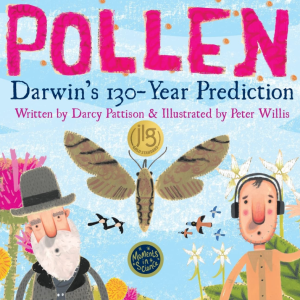
    Pollen: Darwin’s 130-Year Prediction

    Darcy Pattison

    How long does it take for science to find an answer to a problem? On January 25, 1862, naturalist Charles Darwin received a box of orchids. One flower, the Madagascar star orchid, fascinated him. It had an 11.5" nectary, the place where flowers make nectar, the sweet liquid that insects and birds eat. How, he wondered, did insects pollinate the orchid? It took 130 years to find the answer. This book must be returned.
  • The Little Book of ChickensLogin to Hold

    Total Available: 2 (of )

    Does not need to be returned

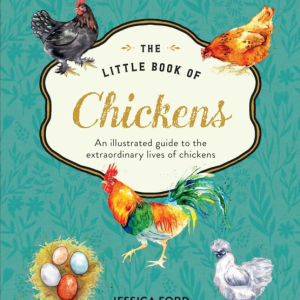
    The Little Book of Chickens

    Jessica Ford

    The Little Book of Chickens is a charming, informative book of all things chicken – learn about their life stages and how clever they really are, plus heaps of fun factoids and truly gorgeous breeds and their colourful eggs – all in a beautifully illustrated gift book. This book is appropriate for grades 6-12.This book must be returned.
  • The Little Book of BeesLogin to Hold

    Total Available: 2 (of )

    Must be returned

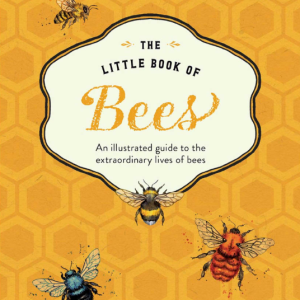
    The Little Book of Bees

    Hilary Kearney

    Bees first appeared on Earth 270 million years ago. Since the time of the dinosaurs, evolution has taken our beloved bees on an incredible journey—today, there are 20,000 species on the planet. The Little Book of Bees is a lovely, informative book of all things bee—from evolution and communication to honey, bee-keeping, and saving the bees—all in a beautifully illustrated gift book. This book is appropriate for grades 6-12.This book must be returned.
  • Water: Up, Down, and All AroundLogin to Hold

    Total Available: 2 (of )

    Must be returned

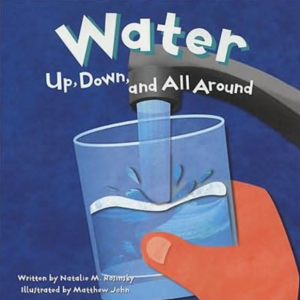
    Water: Up, Down, and All Around

    Natalie M. Rosinky

    Introduce young scientists to the basics of the water cycle! Through full-color photos and simple, easy-to-follow text, this nonfiction book introduces emergent readers to the importance of water, explaining evaporation and condensation, dew and frost, and the three states of water. Alongside charming illustrations, award-winning author Natalie M. Rosinsky delivers fun, fact-filled text for an engaging read-aloud or beginning read-alone.This book must be returned. 
  • Great in Grass - The Coloring Book Story of a Greener WorldLogin to Hold

    Total Available: 120 (of )

    Does not need to be returned

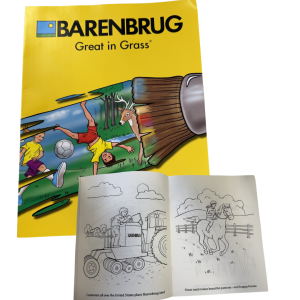
    Great in Grass – The Coloring Book Story of a Greener World

    Barenbrug

    This coloring book explores how Barenbrug grass seed makes the world a greener place one seed at a time. Barenbrug USA is an Oregon based grass seed research company.
  • Outdoor Farm, Indoor Farm KitLogin to Hold

    Total Available: 8 (of )

    Does not need to be returned

    Outdoor Farm, Indoor Farm Kit

    With the 2025 Literacy Project, explore how food grows both outdoors and indoors with best friends Emma and Efram in this lively, rhyming picture book. With vibrant illustrations and catchy verse, learn how farms thrive—no matter the season or settings! g! Follow the reading with an engaging activity that tests students’ knowledge on indoor and outdoor farms. Please check out the book separately. Click here for the lesson plan! This item does not need to be returned.  
  • The Story of SeedsLogin to Hold

    Total Available: 1 (of )

    Must be returned

    The Story of Seeds

    Nancy Castaldo

    Something as small as a seed can have a worldwide impact. Did you know there are top-secret seed vaults hidden throughout the world? And once a seed disappears, that’s it—it’s gone forever? With the growth of genetically modified foods, the use of many seeds is dwindling—of 80,000 edible plants, only about 150 are being cultivated. With a global cast of men and women, scientists and laypeople, and photographic documentation, Nancy Castaldo chronicles where our food comes from, and more importantly, where it is going as she digs deeper into the importance of seeds in our world. This empowering book also calls young adult readers to action with suggestions as to how they can preserve the variety of one of our most valuable food sources through simple everyday actions. This book must be returned.