Oregon Agriculture in the Classroom Logo

Featured Resources

Categories

Type

Grade Level

  • Grains Seed BankLogin to Hold

    Total Available: 1 (of )

    Must be returned

    Seed Bank: Great Grains

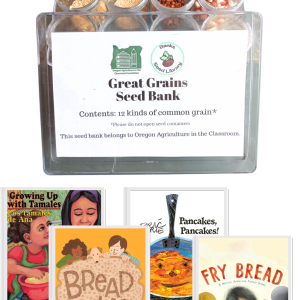
    This Washington County exclusive seed bank curriculum kit gives K-5th* grade classes the opportunity to get to know common grains through stories, lessons, and hands-on learning. This curriculum kit includes a seed bank with 12 types of common grains, 4 children's books about people using grains, a class set of 18 loupes, and links to 4 grain-related lessons from National Agriculture in the Classroom. This seed bank is created in partnership with the Banks Seed Library.*Note that included books are best suited to grades K-2 (though there is no age limit to enjoying the books), but which can be utilized in 3rd-5th grade class as teaching tools for studying art and literature. Third through 5th grade teachers may also opt out of receiving the books.Once you have placed your order at check out, the Washington County Programs Coordinator will be in contact with you to confirm your grade and best delivery method.This kit is available for 4 weeks, and all items contained must be returned.
  • Pancakes, Pancakes! book coverLogin to Hold

    Total Available: 1 (of )

    Must be returned

    Pancakes, Pancakes!

    Eric Carle

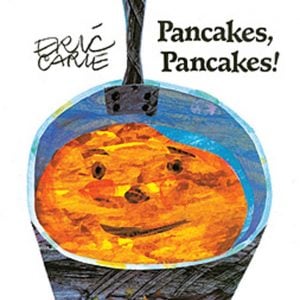
    Pancakes, Pancakes! by children's author and artist Eric Carle is about a boy named Jack who wakes up hungry and wants some pancakes for breakfast. BUT, first Jack has to gather wheat from the farmer, flour from the miller, eggs from the chickens, and milk from the cow. The companion book to the Breakfast Relay lesson plan and the Breakfast Relay Kit. Please check the kit out separately. This book needs to be returned. 
  • OAITC grain millLogin to Hold

    Total Available: 1 (of )

    Must be returned

    Grain Mill

    From grain to flour in your hands! Help students explore where bread, pastries, noodles, tortillas, and other grain-based foods begin by grinding grains right in your classroom. This hands-on grain mill connects agriculture to everyday food while encouraging curiosity about the process of growing, harvesting, and preparing grain. Students will see, touch, and process grains as they turn the hand-cranked grain mill to transform grain into a food-prep ready state.Includes instructions and all 7 parts (please check to ensure you have included all parts when returning mill). Clamps easily to desk or table.Recommended grains for grinding:
    • Wheat varieties: Hard and soft wheat, spelt, einkorn, kamut, and emmer.
    • Common grains: Rye, barley, brown and white rice, and oat groats.
    • Pseudograins & millets: Quinoa, buckwheat, millet, amaranth, and teff.
    • Legumes & corn: Dried corn, lentils, chickpeas, and black beans.
    NOT recommended due to oils or structure which may damage mill or result in difficult to clean messes:
    • Oily seeds: Flax seeds, chia seeds, and sesame seeds.
    • Nuts and coffee: Peanuts, almonds, coffee beans, and spices.
    • Wet or sticky items: High-moisture or fresh-picked field corn.
    How to use video: Grain Mill - VKP1012 - YouTubeIf you like this product and would like to purchase a grain mill kit for your classroom, we recommend checking out National Agriculture in the Classroom: Grain Mill - AgClassroomStore at USU3-week checkout. This item must be returned to the Washington County OAITC office.  
  • Udder to Cheddar bookLogin to Hold

    Total Available: 1 (of )

    Must be returned

    Udder to Cheddar

    Julie Knutson

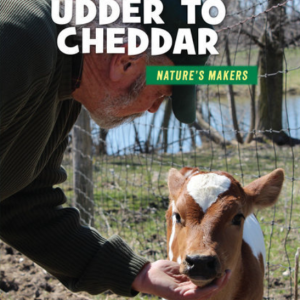
    Follow the folks as Highfield Farm Creamery as they make some of the country's best cheeses and discover all the ways small scale farmers contribute to what we eat--and how we live! Aligned to curriculum standards, these books also highlight key 21st Century content: Global Awareness, Financial Literacy, Health and Wellness, Civics Literacy, and Environmental Stewardship. Thought-provoking questions and hands-on activities encourage the development of critical life skills and social emotional growth.This book must be returned.
  • Garden to Table bookLogin to Hold

    Total Available: 4 (of )

    Must be returned

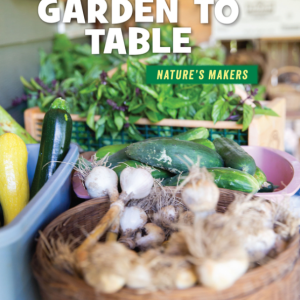
    Garden to Table

    Julie Knutson

    Follow farmer Tim Redmond of Skinny Farm of Scio as he takes produce from farm to table and discover all the ways small scale farmers contribute to what we eat--and how we live! Aligned to curriculum standards, these books also highlight key 21st Century content: Global Awareness, Financial Literacy, Health and Wellness, Civics Literacy, and Environmental Stewardship. Thought-provoking questions and hands-on activities encourage the development of critical life skills and social emotional growth. This book must be returned.
  • The Story of SeedsLogin to Hold

    Total Available: 1 (of )

    Must be returned

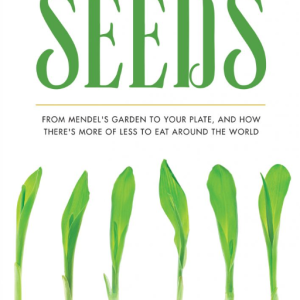
    The Story of Seeds

    Nancy Castaldo

    Something as small as a seed can have a worldwide impact. Did you know there are top-secret seed vaults hidden throughout the world? And once a seed disappears, that’s it—it’s gone forever? With the growth of genetically modified foods, the use of many seeds is dwindling—of 80,000 edible plants, only about 150 are being cultivated. With a global cast of men and women, scientists and laypeople, and photographic documentation, Nancy Castaldo chronicles where our food comes from, and more importantly, where it is going as she digs deeper into the importance of seeds in our world. This empowering book also calls young adult readers to action with suggestions as to how they can preserve the variety of one of our most valuable food sources through simple everyday actions. This book must be returned. 
  • Beef By-Products Source RelayLogin to Hold

    Total Available: 38 (of )

    Does not need to be returned

    Beef By-Products Source Relay

    Many students think products simply come from factories or stores. This hands-on activity helps students understand that before an item ever leaves a factory or enters a store, it begins as a resource or product in the natural world. More specifically, these products can all be traced back to one unassuming animal, the cow! In the Beef By-Product Source Relay, students will work in teams and run a relay race where they will quickly decide the source of a product and then race to place it into one of the buckets marked Factory, Farm, Store, Earth, or Cow.
  • Eggs: Supply and DemandLogin to Hold

    Total Available: 38 (of )

    Does not need to be returned

    Eggs: Supply and Demand

    In this lesson, students are introduced to the concepts of supply and demand as it pertains to the school kitchen. Students will explore factors affecting egg production and how supply and demand influence the price and availability of eggs. Students will role-play as poultry farmers and egg consumers to analyze real-world scenarios, observe the impact on egg supply, and make suggestions to their school’s kitchen staff. Supply and Demand in Egg Production (3-5)Egg Supply Game Report Cards
  • Outdoor Farm, Indoor FarmLogin to Hold

    Total Available: 9 (of )

    Must be returned

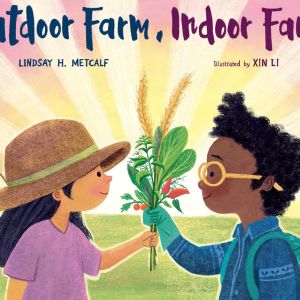
    Outdoor Farm, Indoor Farm

    Lindsay H. Metcalf

    Discover how both outdoor and indoor farms sustainably grow the food we eat throughout the year in this vibrant, rhyming picture book.Outdoor farm, tractors toil.Indoor farm, zero soil.With energetic, enchanting verse and sunshiny, colorful illustrations, discover how the food you eat is grown both outside—and inside! Join two children as they explore the inner workings of an outdoor farm and an indoor farm. You’ll see how a variety of amazing machinery like tractors and drones along with innovative farming techniques yield the wonderful food we all love to enjoy.This book must be returned.
  • Science in Your Shopping CartLogin to Hold

    Total Available: 22 (of )

    Does not need to be returned

    Science in Your Shopping Cart

    Science in Your Shopping Cart shows us just how much science is behind the everyday items we use, eat, and wear. In the United States, we pay less for food than almost any other country. Every year, researchers introduce dozens of new and improved varieties of fruits, vegetables, and other products. But as we walk through the grocery store, do we ever stop to think about where this incredible abundance and variety comes from? This book helps us understand the science that makes it all possible.
  • Fry Bread: A Native American Family StoryLogin to Hold

    Total Available: 1 (of )

    Must be returned

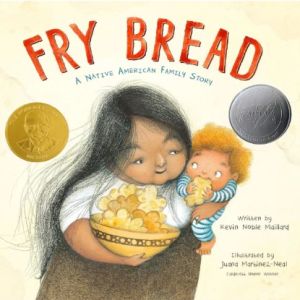
    Fry Bread: A Native American Family Story

    Kevin Noble Maillard

    Told in lively and powerful verse by debut author Kevin Noble Maillard, Fry Bread is an evocative depiction of a modern Native American family, vibrantly illustrated by Pura Belpre Award winner and Caldecott Honoree Juana Martinez-Neal.Fry bread is food. It is warm and delicious, piled high on a plate.Fry bread is time. It brings families together for meals and new memories.Fry bread is nation. It is shared by many, from coast to coast and beyond.Fry bread is us. It is a celebration of old and new, traditional and modern, similarity and difference. This book must be returned.
  • AgBadging Field GuideLogin to Hold

    Total Available: 369 (of 70)

    Does not need to be returned

    AgBadging Field Guide

    The AgBadging Field Guide leads students through an in-depth exploration of agriculture. Students have the opportunity to obtain five badges while learning about the food, fiber and resources that support our daily lives.This resource is intended for homeschool only. 
  • Bunches of Berries KitLogin to Hold

    Total Available: 2 (of 20)

    Does not need to be returned

    Bunches of Berries Kit

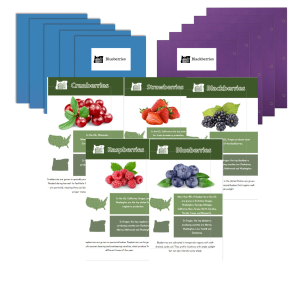
    Students investigate a variety of berries, discover how and where they are grown, and explore their nutritional benefits. This kit includes a class set of materials for 10 student groups with the following contents: Berry Information Booklets, Berry Nutrition Facts and Health Benefits, and Berry Flowchart. This kit does not need to be returned. Limit one per order.
  • The Art of Food: Plant Pigments and TanninsLogin to Hold

    Total Available: 18 (of )

    Does not need to be returned

    The Art of Food: Plant Pigments and Tannins

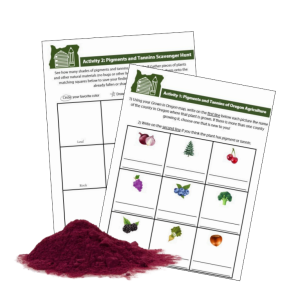
    When we think of farmers in Oregon producing popular crops such as beets, blueberries, hazelnuts, onions, and grapes, we might not first think of art supplies. However, these food crops, along with many other plant materials, often find their way into the art studio! Many paints, drawing tools, and fabric dyes contain pigments and tannins, which come from agricultural commodities, even rock and soil! This lesson allows students to utilize foods and other plant materials to discover exciting, naturally occurring colors growing in their gardens or school yards.

    Download Lesson Plan here: The Art of Food Plant Pigments and Tannins
  • Agricultural DronesLogin to Hold

    Total Available: 1 (of 2)

    Must be returned

    Agricultural Drones

    Simon Rose

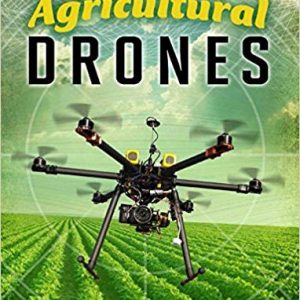
    Farm fields can span hundreds of acres. With so much area to cover, checking crops and livestock can be difficult. But with an agricultural drone, this job becomes much simpler. Young readers will discover how drones help farmers maximize efficiencies and bring abundant harvests. This book needs to be returned. 
  • Apples of Your EyeLogin to Hold

    Total Available: 5 (of 5)

    Must be returned

    Apples of Your Eye

    Allan Fowler

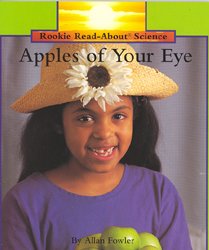
    This book gives you a taste of how farmers manage apple orchards. From soil-type to grafting new trees to harvesting the apples, you'll see apples up-close and personal. This book needs to be returned.Â