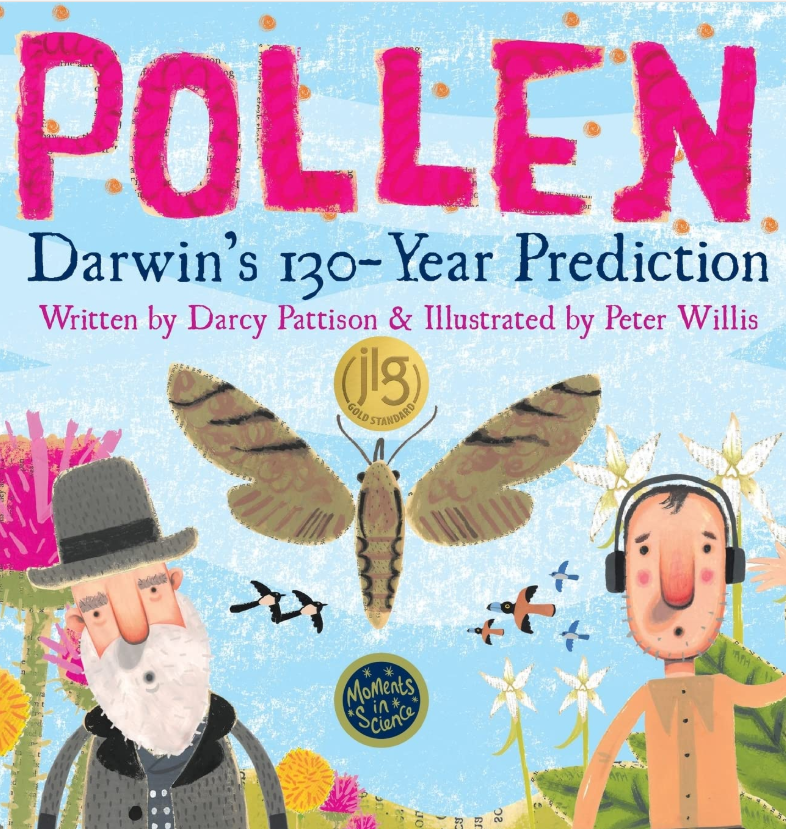
Pollen: Darwin’s 130-Year Prediction

Darcy Pattison

Categories: Conservation & Natural Resources , History , Plants , Science , Washington County Library

Description

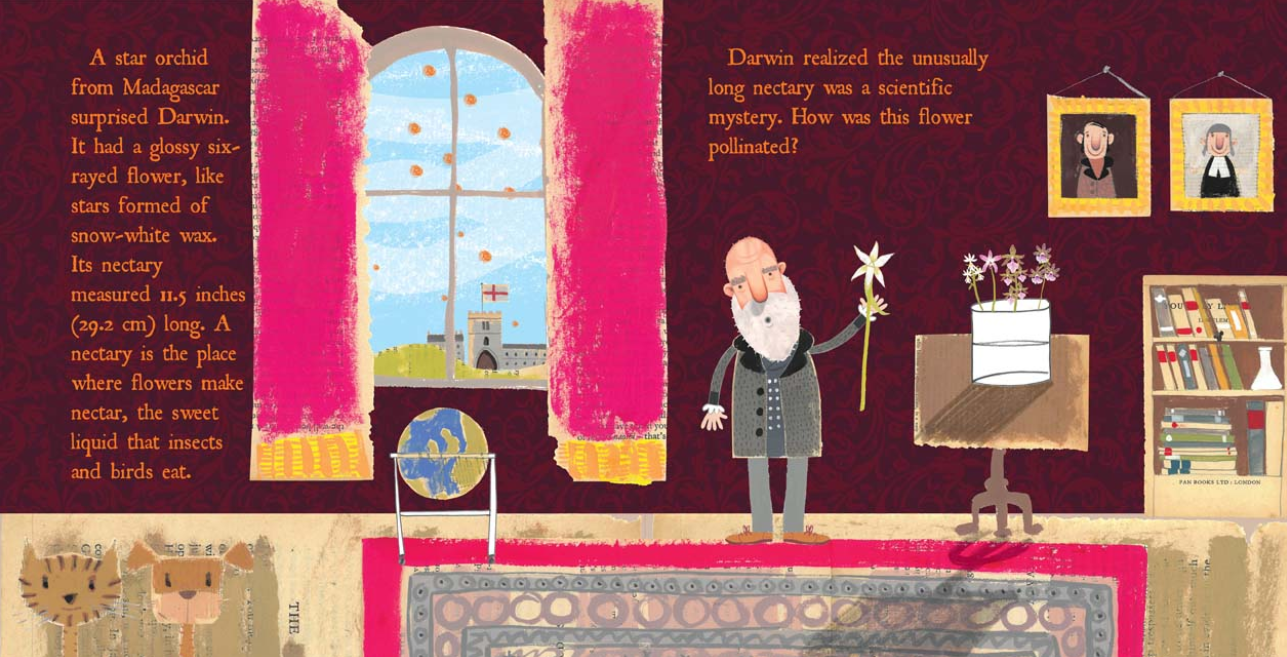
How long does it take for science to find an answer to a problem? On January 25, 1862, naturalist Charles Darwin received a box of orchids. One flower, the Madagascar star orchid, fascinated him. It had an 11.5″ nectary, the place where flowers make nectar, the sweet liquid that insects and birds eat. How, he wondered, did insects pollinate the orchid? It took 130 years to find the answer.


This book must be returned.
Reviews

There are no reviews yet.

Be the first to review “Pollen: Darwin’s 130-Year Prediction”

Your email address will not be published. Required fields are marked *

You may also like…

  • Erosion: How Hugh Bennett Saved America’s Soil and Ended the Dust BowlLogin to Hold

    Total Available: 2 (of 2)

    Must be returned

    Erosion: How Hugh Bennett Saved America’s Soil and Ended the Dust Bowl

    Darcy Pattison

    When the dust storms of the 1930s threatened to destroy U.S. farming and agriculture, Hugh Bennett knew what to do. For decades, he had studied the soils in every state, creating maps showing soil composition nationwide. He knew what should be grown in each area, and how to manage the land to conserve the soil. He knew what to do for weathering and erosion.To do that, he needed the government’s help. But how do you convince politicians that the soil needs help?Hugh Bennett knew what to do. He waited for the wind.This is the exciting story of a soil scientist confronting politicians to encourage them to pass a law to protect the land, the soil. When the U.S. Congress passed a law establishing the Soil Conservation Service, it was the first government agency in the world dedicated to protecting the land, to protecting the Earth.