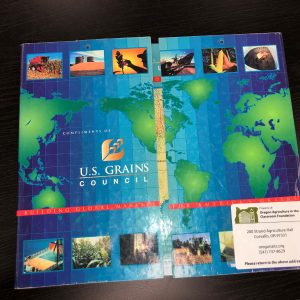
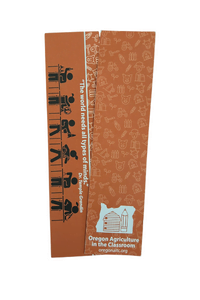
This tri-fold shows students where the six different types of wheat in the United States is grown, and what they are used for. It also describes how wheat is shipped all over the world.
Grind wheat, rice, oats, barley, non-oily seeds, and spices. Adjustable from fine to coarse textures. Great for fresh whole grain flours or cracked grain cereals. Precision stainless steel burrs ensure a long life. A sturdy, compact mill that out performs larger, heavier hand grinders. A bag of wheat is provided.This item needs to be returned.
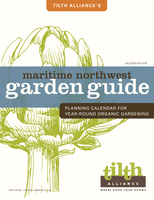
Revised in 2014, Tilth Alliance's month-by-month manual is tailored to the Pacific Northwest climate and a helpful resource for gardeners of all levels, beginning to expert. The 128-page guide outlines each month's garden tasks and lists hundreds of vegetable, herb and flower varieties to plant. It includes strategies for year-round gardening, articles about organic gardening techniques, resources, recipes and activities for kids.
Oregon's forests are among the most diverse in the world. The colorful 24-inch by 36-inch poster includes a map showing the statewide locations where the most common conifer and hardwood tree species are found, plus descriptions of ecological and climatic conditions in which they thrive.
This colorful Oregon Grown Fresh Produce poster includes the 26 specialty crops that are seasonally available within Oregon. This 18x36 inch poster was created by watercolor artist Abigail Waring for the Oregon Department of Agriculture.This item does not need to be returned.
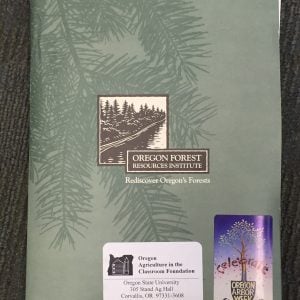
This instructional unit has everything students need to learn about forests in Oregon. Included is a DVD, a fungi guide, sustainability and the global environment, a forest fact book, and fire in Oregon's forest. A great resource for teaching a natural resources or forestry lesson.
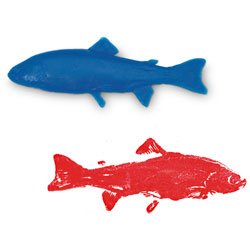
After studying fish and their lifecycles in Oregon's Interior Valleys (chapter 7) in the Get Oregonized text, rubber fish replicas allow students to create beautiful Gyotaku (fish prints).
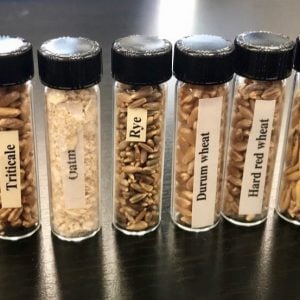
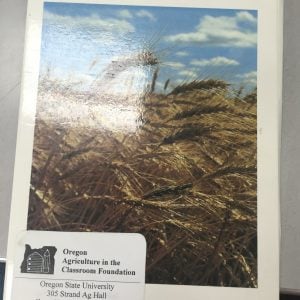
A visual kit that gives fun facts about grain, a map to show where grain is grown in the United States, and has grain variety samples included and labeled. Your students can view pictures, look at real samples, and learn more about the grain industry as a whole.
This set of 10 grain samples is a great resource for students to learn about different types of grain and what they look like after they've been processed. This set of samples includes: Soft White Wheat, Triticale, Rye, Durum Wheat, Hard Red Wheat, Oats, Barley, and processed samples of pasta, flour, and oatmeal.

 Must be returned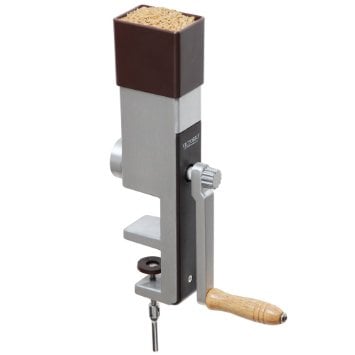
 Does not need to be returned