Description

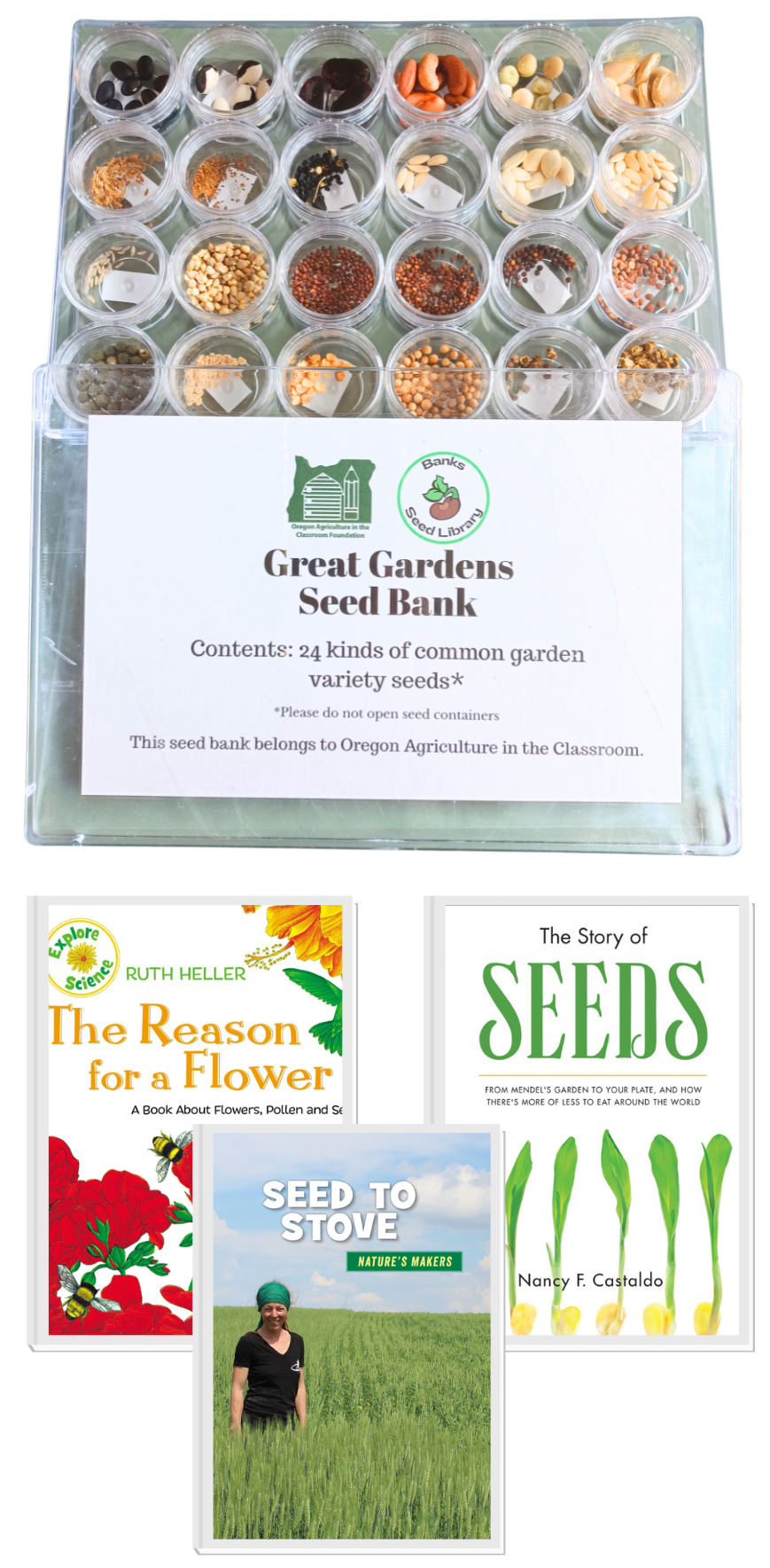
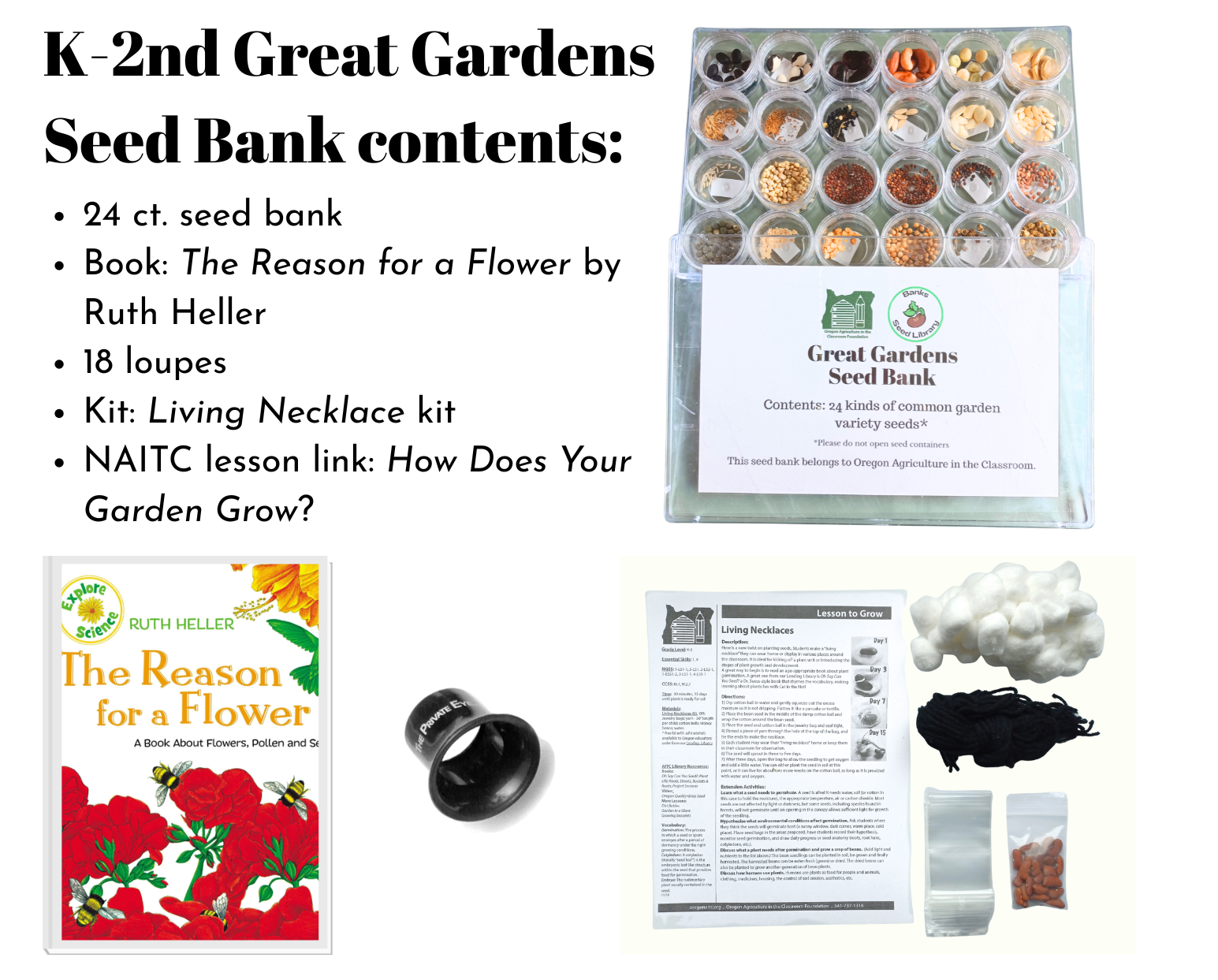
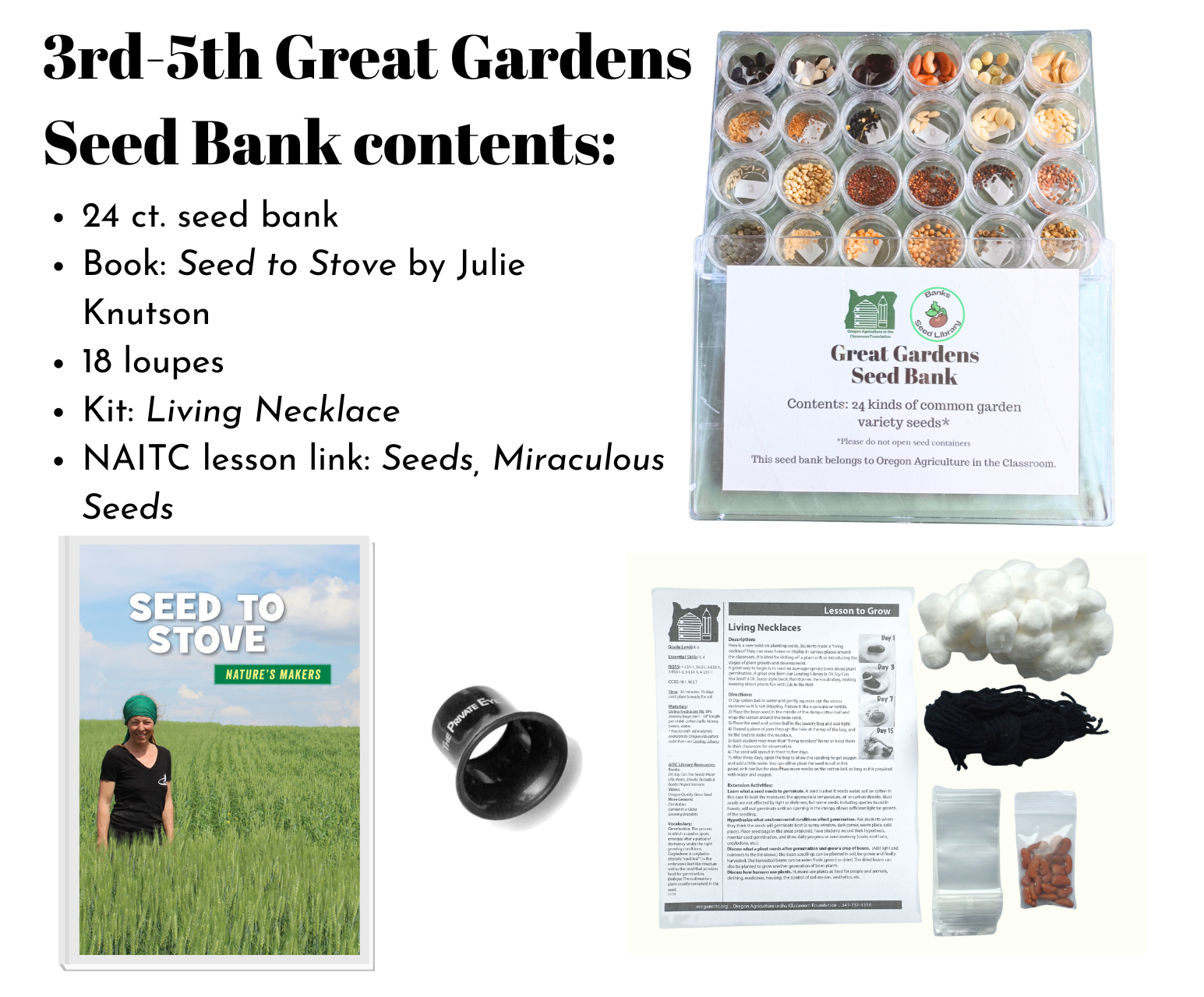
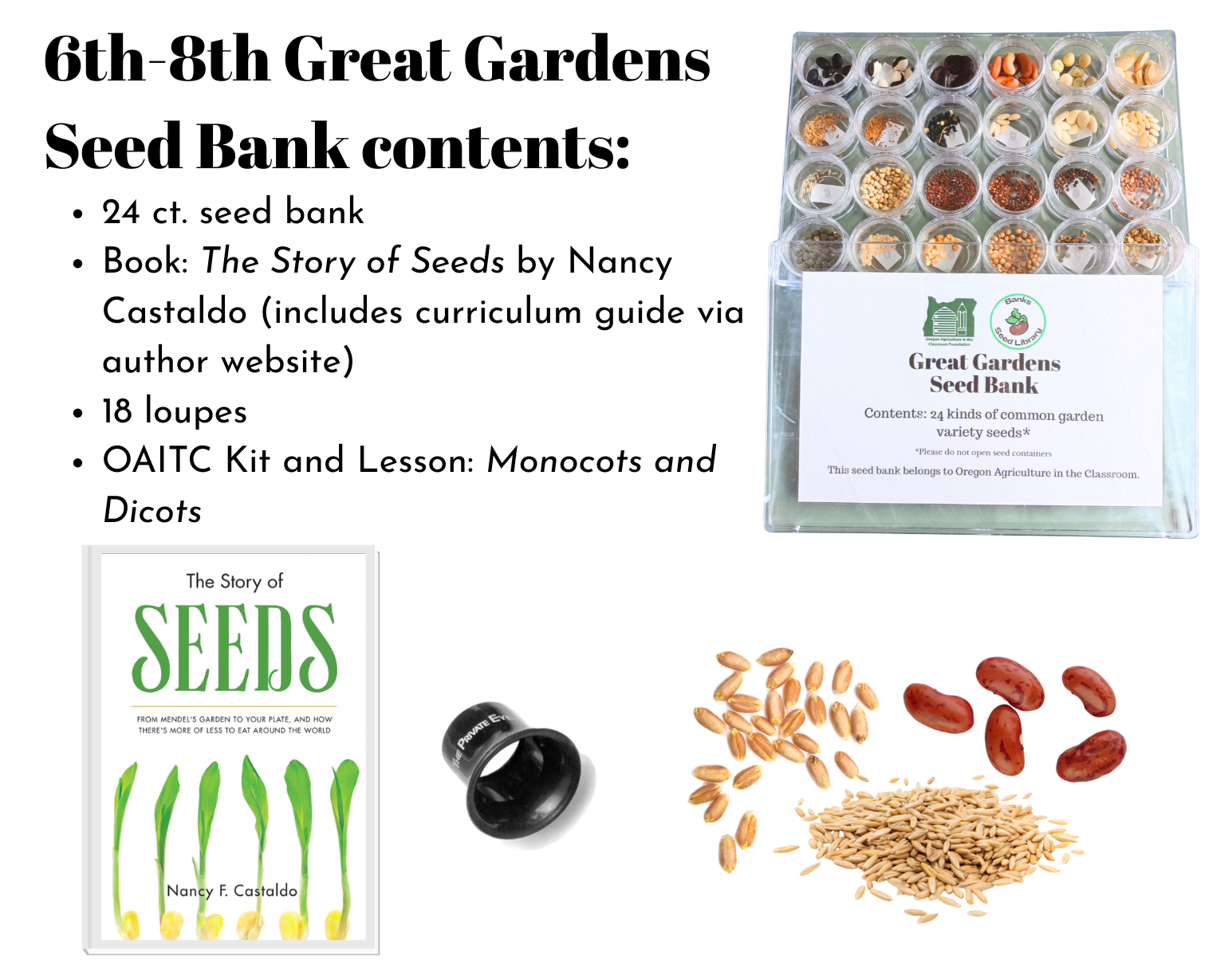
This Washington County exclusive seed bank curriculum kit gives K-8th* grade classes the opportunity to get to know common garden variety plants through stories, lessons, and hands-on learning. This curriculum kit includes a seed bank with 24 types of common garden variety seeds (such as kale, peas, tomatoes, etc.), 1 children’s book about seeds, 1 kit, a class set of 18 loupes, and link to 1 seed-related lessons from National Agriculture in the Classroom or OAITC. This seed bank is created in partnership with the Banks Seed Library.

*See product gallery for breakdown of kit contents by grades.

Once you have placed your order at check out, the Washington County Programs Coordinator will be in contact with you to confirm your grade and best delivery method.

This kit is available for 4 weeks, and all items contained must be returned.
Reviews

There are no reviews yet.

Be the first to review “Seed Bank: Great Gardens”

Your email address will not be published. Required fields are marked *

You may also like…

  • Garden in a Glove KitLogin to Hold

    Total Available: 28 (of 1000)

    Does not need to be returned

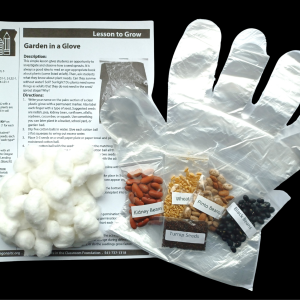
    Garden in a Glove Kit

    Students will get to watch 5 different types of seeds germinate and sprout in their very own Garden in a Glove! This kit contains gloves, 5 different seeds and cotton balls required for the Garden in a Glove lesson plan.This kit does not need to be returned. This Kit Includes:Gloves, Cotton Balls, Seeds, and a Paper Lesson PlanPlease put the number of students in your class in the quantity section at checkout to ensure the correct number of supplies gets to you.
  • How to Grow a School Garden: A Complete Guide for Parents and TeachersLogin to Hold

    Total Available: 1 (of 2)

    Must be returned

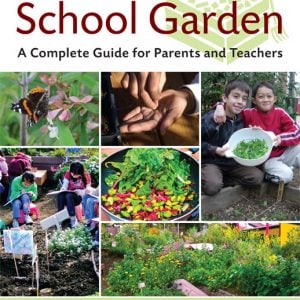
    How to Grow a School Garden: A Complete Guide for Parents and Teachers

    Arden Bucklin-Sporer and Rachel Kathleen Pringle

    In this groundbreaking resource, two school garden pioneers offer parents, teachers, and school administrators everything they need to know to build school gardens and to develop the programs that support them. Today both schools and parents have a unique opportunity—and an increasing responsibility—to cultivate an awareness of our finite resources, to reinforce values of environmental stewardship, to help students understand concepts of nutrition and health, and to connect children to the natural world. What better way to do this than by engaging young people, their families, and teachers in the wondrous outdoor classroom that is their very own school garden?