Oregon Agriculture in the Classroom Logo

Featured Resources

Categories

Type

Grade Level

  • Ricky in the CityLogin to Hold

    Total Available: 1 (of 1)

    Must be returned

    Ricky in the City

    Judith L. Li, M. L. Herring

    It’s early fall when Ricky and Ellie travel to Portland from their homes in the Cascade Mountains for a weekend school exchange.  Much to their surprise, they find an astounding variety of wildlife in the city. With the help of their new friends, Jenny and Marcus, they explore Portland’s habitats, from its streets and gardens to woodlands, streams, and river banks. Ellie tests her bird-watching skills while Ricky learns ways to count fish in streams. Together they are fascinated by stunning wildlife in the city’s restored wetlands. The kids find insects and reptiles moving about garden patches and bioswales, song birds and squirrels in neighborhood tree canopies, falcons and eagles crossing spacious river floodplains. As they record and map how wildlife and people are connected in these city spaces, they become community scientists, contributing to actual regional databases. After they see the young trees Marcus planted in his neighborhood, the feeders Jenny tends for hummingbirds, and the fascinating wildlife underpasses built in the wetlands, Ricky and Ellie realize there are many ways people actively care for the city’s wildlife. For more information and resources go to: http://ellieslog.org This book needs to be returned. 
  • Right This Very MinuteLogin to Hold

    Total Available: 23 (of 4)

    Must be returned

    Right This Very Minute

    Lisl H. Detlefsen

    What's that you say? You're hungry? Right this very minute? Then you need a farmer. You have the stories of so many right here on your table! Award winners Lisl H. Detlefsen and Renee Kurilla's delicious celebration of food and farming is sure to inspire readers of all ages to learn more about where their food comes from - right this very minute! This book needs to be returned. 
  • Science with PlantsLogin to Hold

    Total Available: 6 (of 7)

    Must be returned

    Science with Plants

    Helen Edom

    This lively book is packed with plant activities for your students. There are activities like: experimenting with growing plants in light or darkness, putting celery in a jar with blue ink to show how water travels up the stem, making a bottle garden, creating leaf prints, growing carrot tops, finding seeds and learning about how seeds travel and more. This book will need to be returned.
  • Seeds and SeedlingsLogin to Hold

    Total Available: 1 (of 1)

    Must be returned

    Seeds and Seedlings

    Elaine Pascoe

    This award-winning 12 volume science series continues. Easy-to-do projects introduce kids to the basics of scientific method (hypothesis, observation, conclusion) as they get a "hands on" understanding of the nature of living things. Stunning photos, fascinating background material, and focused experiments combine to teach biology and excite young students about scientific process. Each volume includes:
    • Materials Source List
    • Glossary
    • Further Reading
    • Index
    This book needs to be returned. 
  • Seeds of Change: Learning from the GardenLogin to Hold

    Total Available: 4 (of 6)

    Must be returned

    Seeds of Change: Learning from the Garden

    Judy Mannes

    Your class can learn about food, plant exchange, movements of plants from a place of origin to new lands. Based in your garden, this year-long activity will teach about food history, cultural exchange, nutrition--all while providing opportunities for enjoyable, balanced meals.
  • SheepLogin to Hold

    Total Available: 1 (of 2)

    Must be returned

    Sheep – A True Book

    Susan Swan Miller

    Have you ever come across a flock of sheep grazing on a sunny hillside? Shepherds, people who make a living looking after sheep, enjoy watching their sheep, but that's not why they raise them. This book teaches students everything they need to know about sheep. From different breeds, to their uses, and how they are cared for, this book is jam packed with lots of great information. Lots of pictures and a glossary in the back makes it perfect for young readers. This book needs to be returned. 
  • Soil - A True BookLogin to Hold

    Total Available: 3 (of 6)

    Must be returned

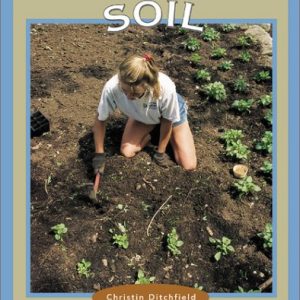
    Soil – A True Book

    Christin Ditchfield

    Explore soils and how we can take care of them within the pages of this book . Great to pair with gardening books and a soils unit, also with AITC's hands-on soils lessons. Index and glossary included in book. This book will need to be returned.
  • Source Relay KitLogin to Hold

    Total Available: 3 (of 1000)

    Does not need to be returned

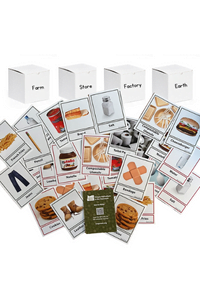
    Source Relay Kit

    This fast-moving relay race teaches students that before any product leaves a factory, or enters a store, it began as a resource or product of the natural world – most likely agriculture. Students will work in teams and run a relay race where they have to quickly decide the source of a product and then race to place it into one of the buckets marked Factory, Store, Farm or Earth. Source Relay is a great interest approach activity for older students! Click here for the lesson plan.  This kit does not need to be returned.   
  • Soybeans - an A to Z BookLogin to Hold

    Total Available: 6 (of 6)

    Must be returned

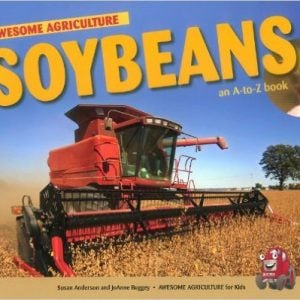
    Soybeans – an A to Z Book

    Susan Anderson, Joanne Buggey

    Learn about soybeans from A-to-Z through the voice of a tractor named Agri-Culture. Everything your students want to know about soybeans is in this book. This book will need to be returned.
  • Soybeans in the Story of AgricultureLogin to Hold

    Total Available: 9 (of 9)

    Must be returned

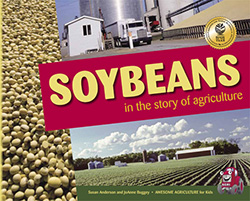
    Soybeans in the Story of Agriculture

    Susan Anderson, Joanne Buggey

    The talking tractor, Agri, takes students through the five parts of agriculture: production, processing, distribution, marketing, and consumerism. Students get an introduction to soybeans, an important agricultural product. Did you know that soybean plants appear within 2 weeks after seeds are planted? Pair this book with our Living Necklace activity and each student can have their very own soybean plant! This book will need to be returned.
  • SpudsLogin to Hold

    Total Available: 2 (of 2)

    Must be returned

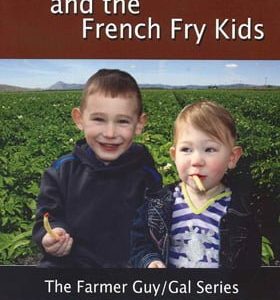
    Spuds, Taters and the French Fry Kids

    Kathy Coatney

    Farmer Terry is a spud guy. He raises two varieties of potatoes, Russet Norkotah and Red. Farmer Terry planted his first potatoes in high school with his brother, John, and continues to grow them today. Text with photographs of Farmer Terry tells the story of how potatoes are grown. This book will need to be returned.
  • Sugar - A True BookLogin to Hold

    Total Available: 3 (of 3)

    Must be returned

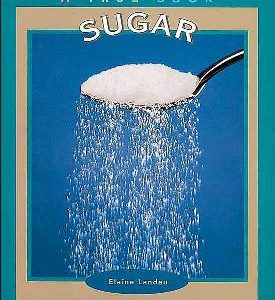
    Sugar – A True Book

    Elaine Landau

    This book explains the many different uses of sugar. Students learn what nutrients they get from this food, and why it is important to eat a balanced diet. Part of the A True Book series. This book needs to be returned. 
  • Tales of the Dairy GodmotherLogin to Hold

    Total Available: 1 (of 1)

    Must be returned

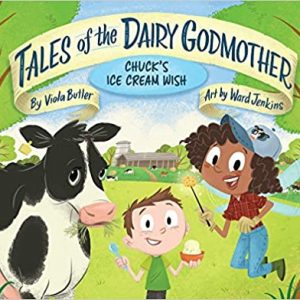
    Tales of the Dairy Godmother

    Viola Butler

    With the help of his Dairy Godmother, Chuck is taken—poof!—on a memorable and delicious adventure to a dairy farm. He finds out exactly where ice cream comes from and gains an even deeper love and appreciation for his favorite food. This book needs to be returned. 
  • Teacher's Guide to The Man Who Fed the WorldLogin to Hold

    Total Available: 2 (of 2)

    Must be returned

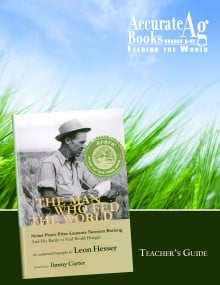
    Teacher’s Guide to The Man Who Fed the World

    American Farm Bureau Foundation for Agriculture

    How do we cultivate a sustainable future for Earth’s growing population? What role does agriculture play in ensuring food security? These are questions students will answer as they study The Man Who Fed the World. The teacher’s guide to the book contains modules and instructional materials designed to help high school students examine the elements of sustainable international development efforts, specifically with respect to the role agriculture plays in spurring economic transformation and growth in developing countries. Through reading The Man Who Fed the World, a biography about Nobel Peace Prize Laureate Norman Borlaug by Leon Hesser, students gain a firsthand account of the Green Revolution. The selected readings from the book illustrate a concrete example of a past international development effort for students to analyze from multiple perspectives, including its impact on food production, economic transformation, government policies, technological research and development, and the environment. At the end of the lesson, students will articulate a position, informed by fact, regarding how modern agriculture can be applied to sustainably accommodate Earth’s growing population through future development efforts.

  • The Book of Gardening Projects for KidsLogin to Hold

    Total Available: 1 (of 2)

    Must be returned

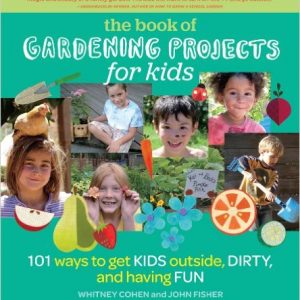
    The Book of Gardening Projects for Kids

    Whitney Cohen, John Fisher

    Many gardeners find that once they have children, gardening goes the way of late-night dinner parties and Sunday morning sleep-ins. Raising kids and maintaining a garden can be a juggling act, leaving the family garden forgotten and neglected. But kids can make great gardening companions, and the benefits of including them are impossible to ignore. Gardening gets kids outdoors and away from television and video games, increases their connection to plants and animals, and helps build enthusiasm for fresh fruits and vegetables. Their involvement becomes the real harvest of a family garden. This book needs to be returned. 
  • The Beeman Educator's GuideLogin to Hold

    Total Available: 8 (of 6)

    Must be returned

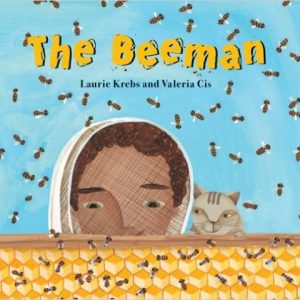
    The Beeman Educator’s Guide

    American Farm Bureau Foundation for Agriculture

    This educator's guide was developed to help professional and volunteer educators provide opportunities for students to experience The Beeman by Laurie Krebs. This engaging book introduces students to honeybees and pollinators. The educator's guide provides background information and standards-based instructional strategies for introducing these agricultural topics to young learners. This book will need to be returned.