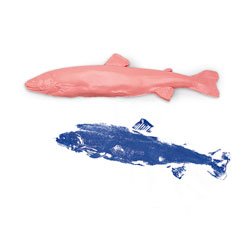
After studying fish and their lifecycles in Oregon's Interior Valleys (chapter 7) in the Get Oregonized text, rubber fish replicas allow students to create beautiful Gyotaku (fish prints). These rubber fish replicas are of chinook salmon, perfect for after a lesson on the state fish!We currently have 2 fish available in our Washington County office.Please reach out to our current Washington County Programs Coordinator to check out this item, or to have them lead the activity in your classroom!
A tiny honeybee emerges through the wax cap of her cell. Driven to protect and take care of her hive, she cleans the nursery and feeds the larvae and the queen. But is she strong enough to fly? Not yet!Apis builds wax comb to store honey, and transfers pollen from other bees into the storage. She defends the hive from invaders. And finally, she begins her new life as an adventurer.The confining walls of the hive fall away as Apis takes to the air, finally free, in a brilliant double-gatefold illustration where the clear blue sky is full of promise-- and the wings of dozens of honeybees, heading out in search of nectar to bring back to the hive.Eric Rohmann's exquisitely detailed illustrations bring the great outdoors into your hands in this poetically written tribute to the hardworking honeybee. Award-winning author Candace Fleming describes the life cycle of the honeybee in accessible, beautiful language. Similar in form and concept to the Sibert and Orbis Pictus award book Giant Squid, Honeybee also features a stunning gatefold and an essay on the plight of honeybees. This book needs to be returned.
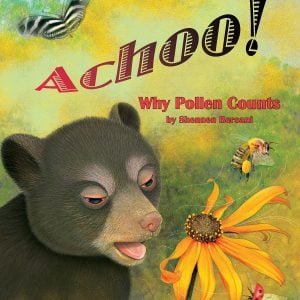
Spring has arrived and pollen is in the air. Baby Bear does not like the pollen-it sticks to his fur and makes him itchy and sneezy. He’s allergic! Achoo! He just wishes the pollen were gone. When his friends gather to tell him why they need pollen, Baby Bear learns that pollen is good for the forest and provides food for many animals, including him! Pollen might be something we all love to hate, but can we really live without it? This story explains why we need it. This title is also available in Spanish.
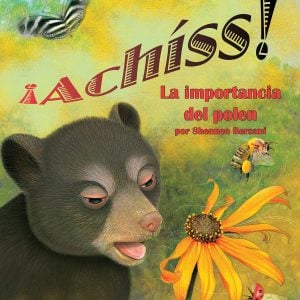
La primavera ha llegado y el polen se siente en el aire. Al bebé Oso no le gusta el polen - se le pega en su pelaje y lo hace tener comezón y estornudar. ¡Él es alérgico! ¡Achís! Desearía que el polen no existiera. Cuando sus amigos se reúnen para decirle por qué nececitan el polen, el bebé Oso aprende que el polen es bueno para el bosque y que provee alimento para muchos animales, ¡que lo incluyen a él! El polen puede ser algo que todos odiemos pero, ¿realmente podemos sobrevivir sin él? Esta historia explica por qué lo necesitamos.
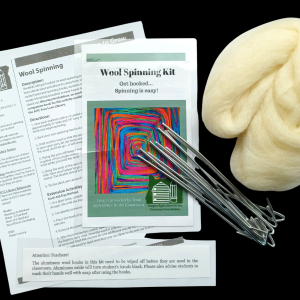
Students will get hooked on wool spinning as they learn about wool and where it comes from. Using carded wool and spinning hooks, students will create friendship bracelets to wear home! For more information on spinning and dyeing wool, please download our Wool Spinning lesson (included with kit). Also, check out Weaving the Rainbow, an excellent companion book for this activity.For further hands-on wool activities download this PDF, Hands-On With Wool. This document includes 5 different wool activities: spinning, Kool-Aid dying, natural dying, weaving the wool, and Ziploc felting. Detailed instructions and a materials list can also be located within this document.Kit generously donated by the Oregon Sheep Commission.Please put the number of students in your class in the quantity section at checkout to ensure the correct number of supplies gets to you. This kit does not need to be returned.This Kit Includes:
Hooks, wool, and a paper lesson plan
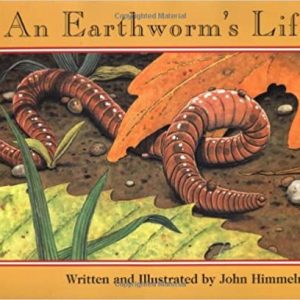
Have you ever wondered how many nature's smallest creatures spend their days? Here's your chance to take a scientifically accurate peek at the world from their point of view. This book will need to be returned.
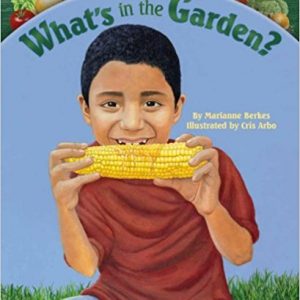
Good food doesn't begin on a store shelf with a box. It comes from a garden bursting with life, color, sounds, smells, sunshine, moisture, birds, and bees! Healthy food becomes much more interesting when children know where they come from. So what's in the garden? Kids will find a variety fruits and vegetables, and a tasty, kid-friendly recipe for each one to start a lifetime of good eating. A food for thought section presents interesting facts about each fruit and vegetable, and a how does your garden grow? section explains facts about gardening and the parts of plants.
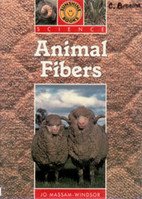
Students learn about where different types of animal fibers come from, how they are collected and what they are used for. This book needs to be returned.
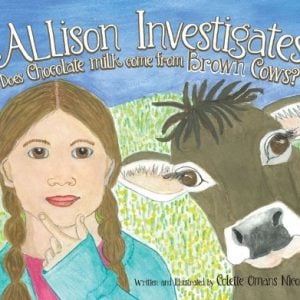
This fun previous literacy project book follows Allison the kid myth buster. She is always very curious and full of questions. Her dad likes to make her think, and always tells her that chocolate milk comes from brown cows. One morning, she sets off on an investigation to discover the truth for herself. Filled with cows, farms, and fun, this book helps readers to discover how milk gets from cows to you. This book needs to be returned.
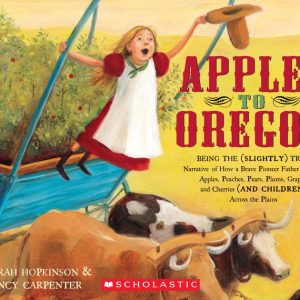
This book is based on the true story of Henderson Luelling, who in 1837 brought his family of ten, plus 700 of his best fruit trees and berry bushes, over the Oregon Trail to the Portland area. His was the first nursery in the state. The companion book to the Growing Bracelets lesson plan and the Growing Bracelets Kit. Please check the kit out separately. This book needs to be returned.
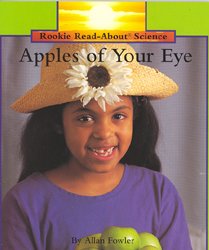
This book gives you a taste of how farmers manage apple orchards. From soil-type to grafting new trees to harvesting the apples, you'll see apples up-close and personal. This book needs to be returned.
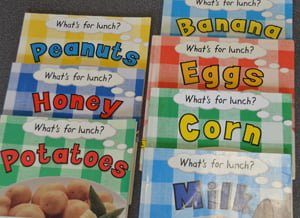
This book explains the many different uses of bananas. Students learn what nutrients they get from this food, and why it is important to eat a balanced diet. Part of the What’s for Lunch series. This book needs to be returned.
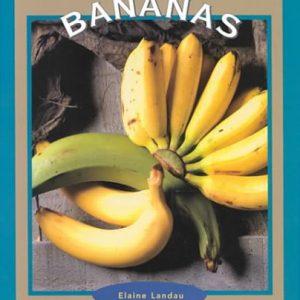
Learn about bananas in every way possible. After reading this book your students will know how bananas grow, where they grow, and the history behind bananas. This book will need to be returned.
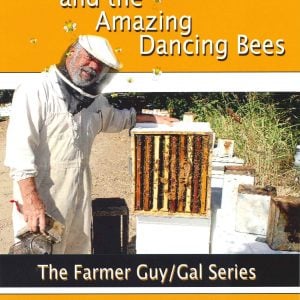
Beekeeper Pat is an insect guy. He started out as a bike guy until he traded a bike for a bee colony of bees, and he's been a bee guy ever since. Text and photographs of Beekeeper Pat and his amazing dancing bees tell the story of the important work bees do. This book needs to be returned.


 Must be returned
 Does not need to be returned