Oregon Agriculture in the Classroom Logo

Featured Resources

Categories

Type

Grade Level

  • Grains on MyPlateLogin to Hold

    Total Available: 7 (of 8)

    Must be returned

    Grains on MyPlate

    Mari C. Schuh

    Grains are hearty, wholesome, and healthful. Learn about how MyPlate helps you make great food choices every day, including grains! This book will need to be returned.
  • Grains to Bread - Welcome BooksLogin to Hold

    Total Available: 3 (of 1)

    Must be returned

    Grains to Bread – Welcome Books

    Heather Miller

    Ever wonder how wheat goes from a plant to bread? This easy to follow book outlines the basic steps. A great book for young readers.This book needs to be returned. 
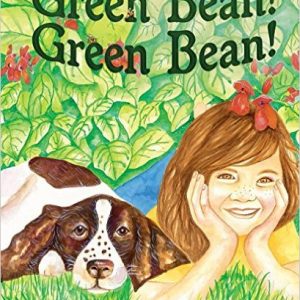
  • Green Bean! Green Bean!Login to Hold

    Total Available: 2 (of 2)

    Must be returned

    Green Bean! Green Bean!

    Patricia Thomas

    Plant it water it weed it protect it and under the blossoms is the perfect shady nook to read a book! Pretty soon its time to pick all those long, lean beans, and to harvest a full season of garden knowledge and experience. This book needs to be returned. 
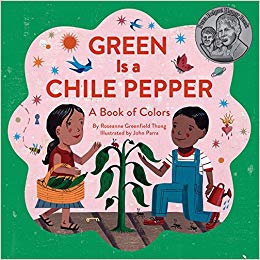
  • Green is a Chile Pepper: A Book of ColorsLogin to Hold

    Total Available: 1 (of 1)

    Must be returned

    Green is a Chile Pepper: A Book of Colors

    Roseanne Greenfield Thong

    In this lively picture book that Booklist, children discover a world of colors all around them: red is spices and swirling skirts, yellow is masa, tortillas, and sweet corn cake. Many of the featured objects are Latino in origin, and all are universal in appeal. With rich, boisterous illustrations, fun-to-read rhyming text, and an informative glossary, this playful concept book will reinforce the colors found in every child's day!
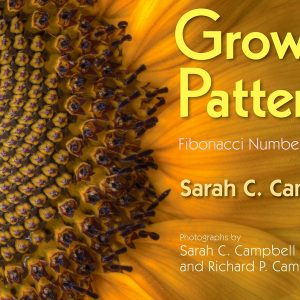
  • Growing Patterns - Fibonacci NumbersLogin to Hold

    Total Available: 3 (of 3)

    Must be returned

    Growing Patterns – Fibonacci Numbers

    Sarah Campbell

    What's the biggest mathematical mystery in nature? Fibonacci numbers! The pattern creeps up in the most unexpected places. It's clear that math holds secrets to nature and that nature holds secret numbers. This book will need to be returned.
  • Growing Up with Tamales/Los Tamales de AnaLogin to Hold

    Total Available: 2 (of 2)

    Must be returned

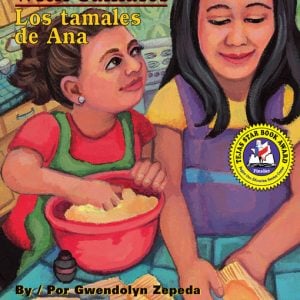
    Growing Up with Tamales/Los Tamales de Ana

    Grewndolyn Zepeda

    This delightful bilingual picture book for children examines sibling rivalry and an important Hispanic tradition: making tamales!Este libro bilingüe y encantador para los niños examina la rivalidad entre hermanas y una tradición hispánica: la fabricación de tamales!
  • Growing Vegetable soupLogin to Hold

    Total Available: 3 (of 3)

    Must be returned

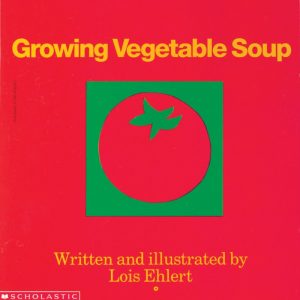
    Growing Vegetable soup

    Lois Ehlert

    "Dad says we are going to grow vegetable soup." So begins Lois Ehlert's bright, bold picture book about vegetable gardening for the very young. The necessary tolls are pictured and labeled, as are the seeds (green bean, pea, corn, zucchini squash, and carrot). Then the real gardening happens...planting, weeding, harvesting, washing, shopping and cooking! In the end? "It was the best soup ever." Ehlert's simple, colorful cut-paper style illustrations are child-friendly, as is the big black type. A recipe for vegetable soup tops it all off! This book needs to be returned. 
  • Grown In Oregon Map PosterLogin to Hold

    Total Available: 574 (of 1000)

    Does not need to be returned

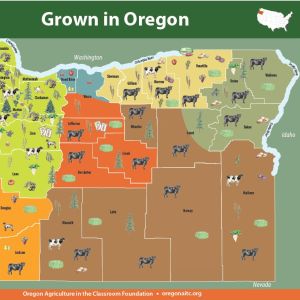
    Grown In Oregon Map Poster

    This beautiful 36 X 24 inch full color Oregon map features the leading and unique commodities grown in the state’s seven regions. It is an excellent tool to bring the story of Oregon’s agricultural diversity to the classroom.The Grown in Oregon Map helps students visualize where things are grown in our state and why. It is a great tool for teaching regions. It can be used to learn about counties, or for starting a discussion on nutrition and the abundance of healthy produce in our state.Maps are free to Oregon teachers. This item does not need to be returned.Non-teachers pay $10 for shipping and handling costs. To order map, Click HERE
  • Grown in Oregon Map- Regions and Commodities

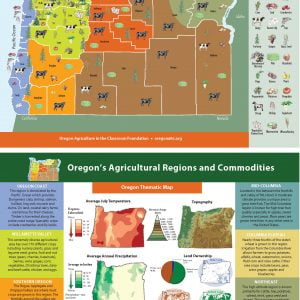
    Oregon Agriculture in the Classroom

    These free full color Oregon map documents feature the leading and unique commodities grown in the state’s seven regions. It is an excellent tool to bring the story of Oregon’s agricultural diversity to the classroom.The Grown in Oregon Map- Student Version helps students visualize where things are grown in our state and why. It is a great tool for teaching regions. It can be used to learn about counties, or for starting a discussion on nutrition and the abundance of healthy produce in our state.It is a two- sided document. Order a set for your classroom today. A printable 8.5″ x 11″ version is available as well download here.Please put the number of desired sheets in the quantity section at checkout to ensure the correct number of copies gets to you. These do not need to be returned. 
  • HeyLogin to Hold

    Total Available: 2 (of 2)

    Must be returned

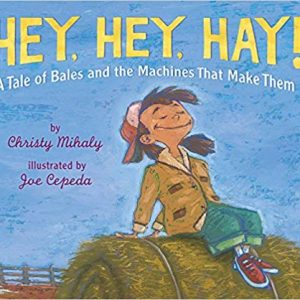
    Hey, Hey, Hay

    Christy Mihaly

    Every bale of hay has a little bit of summer sun stored in the heart of it— learn from a mother-daughter team how hay is made!Feeding her horses one cold and wintry day, a girl thinks about all the hard work that went into the fresh-smelling bales she's using. The rhyming text and brilliant full-page paintings follow the girl and her mother through the summer as they cut, spread, dry and bale in the fields. This book needs to be returned.  This book could also be paired with the lesson plan for "A Hundred Bales of Hay".
  • Honey in a HiveLogin to Hold

    Total Available: 3 (of 4)

    Must be returned

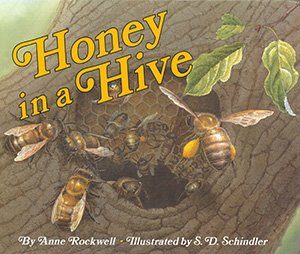
    Honey in a Hive

    Anne Rockwell

    Buzzing from flower to flower, honeybees are busy gathering nectar and pollen. The nectar will be made into honey, and the pollen will feed their queen bee and her offspring back in the hive. Like people, bees form societies with leaders -- the queen -- and workers, and like people, their survival depends on every bee doing its part. Read and find out about bees, honey, and life in the hive. This book needs to be returned. 
  • Potatoes - What's for LunchLogin to Hold

    Total Available: 3 (of 3)

    Must be returned

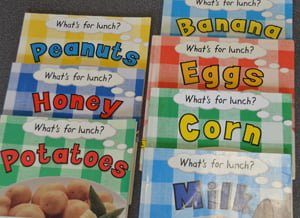
    Honey – What’s for Lunch

    This book explains the many different uses of honey. Students learn what nutrients they get from this food, and why it is important to eat a balanced diet. Part of the What’s for Lunch series. This book needs to be returned. 
  • Hooray for FarmersLogin to Hold

    Total Available: 2 (of 2)

    Must be returned

    Hooray for Farmers

    Kurt Waldendorf

    Carefully leveled text and fresh, vibrant photos engage young readers in learning about how farmers aid their community. Age-appropriate critical thinking questions and a photo glossary help build nonfiction learning skills.
  • Horses Horses Horses - Rookie Read SeriesLogin to Hold

    Total Available: 1 (of 1)

    Must be returned

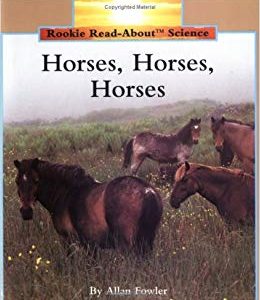
    Horses Horses Horses – Rookie Read Series

    Allan Fowler

    This book is part of the Rookie Read Series. This focuses on horses. These are easy to read, perfect for beginning readers to learn about animals.This book needs to be returned. 
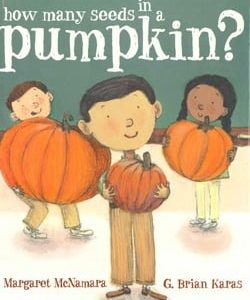
  • How Many Seeds in a Pumpkin?Login to Hold

    Total Available: 9 (of 7)

    Must be returned

    How Many Seeds in a Pumpkin?

    Margaret NeNara

    Here is an adorable picture book for curious kids, which explores skip counting and estimation in a fun pumpkin-themed classroom experiment. "How many seeds are in a pumpkin?" Mr. Tiffin asks his class as they gather around the big, medium, and small pumpkins on his desk. Robert, the biggest kid, guesses that the largest one has a million seeds; Elinor, sounding like she knows what she's talking about, guesses the medium one has 500 seeds; and Anna, who likes even numbers better than odd ones, guesses that the…This is a great read which pairs with our Pumpkin Math Lessons. This book will need to be returned.
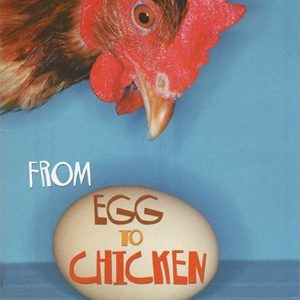
  • How Living Things Grow: From Egg to ChickenLogin to Hold

    Total Available: 8 (of 10)

    Must be returned

    How Living Things Grow: From Egg to Chicken

    Anita Ganeri

    This life cycle book uses a strong narrative in order to tell the story of an egg to a chicken. A question box feature throughout the book encourages readers to interact with the text and prompt them to think about what they are learning in order to predict what might happen next. A great book to study lifecycles. This book will need to be returned.