Oregon Agriculture in the Classroom Logo

Featured Resources

Categories

Type

Grade Level

  • Beef By-Products Source RelayLogin to Hold

    Total Available: 4 (of )

    Does not need to be returned

    Beef By-Products Source Relay

    Many students think products simply come from factories or stores. This hands-on activity helps students understand that before an item ever leaves a factory or enters a store, it begins as a resource or product in the natural world. More specifically, these products can all be traced back to one unassuming animal, the cow! In the Beef By-Product Source Relay, students will work in teams and run a relay race where they will quickly decide the source of a product and then race to place it into one of the buckets marked Factory, Farm, Store, Earth, or Cow.
  • Discover Agriculture Careers Card SetLogin to Hold

    Total Available: 6 (of )

    Must be returned

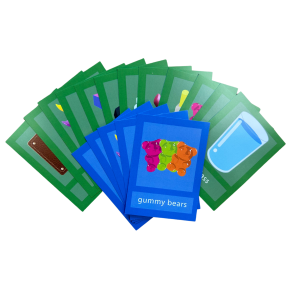
    Discover Agriculture Careers Card Set

    Wondering what job titles are out there, what they involve, where they’re located, and how much they pay? Interested in the education and experience needed to land them? This 48-card career set is a great way to explore the possibilities, get inspired, and start planning a future in agriculture! This product must be returned.

    These career cards pair great with the Discover Agriculture Careers Lesson. Check out the lessons by clicking on the links below:
    Grades 6-8: Discover Agriculture Careers: One Problem at a Time (Grades 6-8) – Curriculum Matrix | Oregon Agriculture in the Classroom Foundation

    Grades 9-12: Discover Agriculture Careers: One Problem at a Time (Grades 9-12) – Curriculum Matrix | Oregon Agriculture in the Classroom Foundation

  • Science in Your Shopping CartLogin to Hold

    Total Available: 37 (of )

    Does not need to be returned

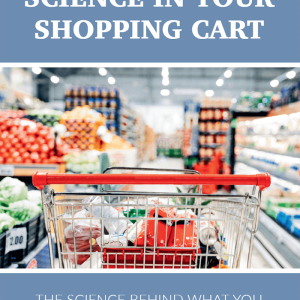
    Science in Your Shopping Cart

    Science in Your Shopping Cart shows us just how much science is behind the everyday items we use, eat, and wear. In the United States, we pay less for food than almost any other country. Every year, researchers introduce dozens of new and improved varieties of fruits, vegetables, and other products. But as we walk through the grocery store, do we ever stop to think about where this incredible abundance and variety comes from? This book helps us understand the science that makes it all possible.
  • AgBadging Field GuideLogin to Hold

    Total Available: 373 (of 70)

    Does not need to be returned

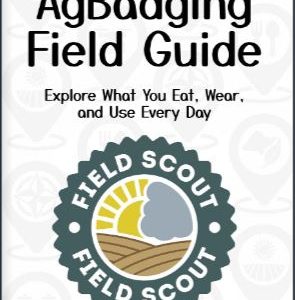
    AgBadging Field Guide

    The AgBadging Field Guide leads students through an in-depth exploration of agriculture. Students have the opportunity to obtain five badges while learning about the food, fiber and resources that support our daily lives. This resource is intended for homeschool only. 
  • Oregon Cherries & Honey Bees PosterLogin to Hold

    Total Available: 19 (of 40)

    Does not need to be returned

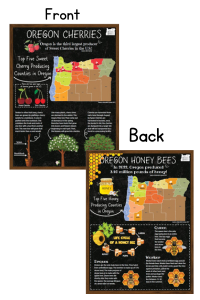
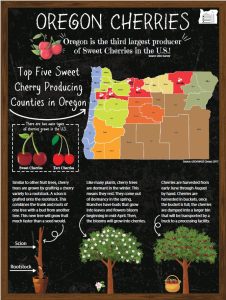
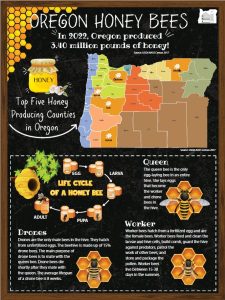
    Oregon Cherries & Honey Bees Poster

    This 2-sided 18x24" poster features Oregon's cherry industry and the life cycle of Honey bees. A great additional to celebrate the upcoming Spring season.
  • Holiday Foods & Oregon Christmas Trees PosterLogin to Hold

    Total Available: 11 (of 40)

    Does not need to be returned

    Holiday Foods & Oregon Christmas Trees Poster

    This 2-sided 18x24" poster features holidays around the world with important food dishes to the culture. The backside features information on Oregon Christmas trees highlighting top varieties and the life cycle.
  • 'Til The Cows Come HomeLogin to Hold

    Total Available: 20 (of 19)

    Must be returned

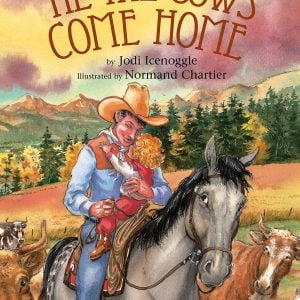
    ‘Til The Cows Come Home

    Jodi Icenoggle

    The author lassos a traditional Jewish folktale, "The Button Story", sets it in the American West, and rigs it up with tongue-tingling cowboy language to create an engaging story. A young cowboy, gifted in making saddles and bridles, receives a sturdy, soft-as-silk piece of leather from a grateful cowpuncher and stitches it into a pair of "whoopi-ti-yi-yo chaps." Follow the leather through the young cowboy’s life. The companion book to the Ag Tag Matching Game lesson plan and the Ag Tag Matching Game Kit. Please check the kit out separately. This book needs to be returned. 
  • Living Necklace Kit

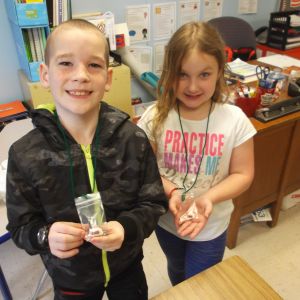
    Grow your own necklace! This kit contains materials for your students to plant a seed in a jewel bag attached to yarn, thus creating a "living necklace." Given time and water, the necklace will be alive with a growing sprout in a few days. An excellent activity for teaching plant growth requirements. Kit includes: yarn, cotton ball, bean seed and plastic bag. Click here for lesson plan. This kit does not need to be returned.  This Kit Includes: Yarn, beans, jewel bags, cotton balls, and a paper lesson plan Please put the number of students in your class in the quantity section at checkout to ensure the correct number of supplies gets to you.
  • SeedLogin to Hold

    Total Available: 7 (of 12)

    Must be returned

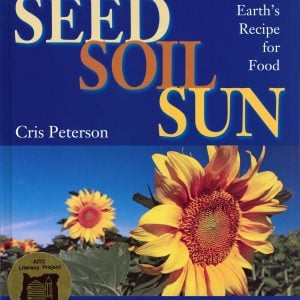
    Seed, Soil, Sun

    Cris Peterson

    Seed. Soil. Sun. With these simple ingredients, nature creates our food. This beautifully written book by Cris Peterson, brings both wonder and clarity to the subject of agriculture, celebrating the cycle of growth, harvest, and renewal. The photography that conveys this story is a perfect fit for this story. The companion book to the Seed, Soil, Sun lesson plan and the Seed, Soil, Sun Kit. Please check the kit out separately.
  • The Art of Food: Plant Pigments and TanninsLogin to Hold

    Total Available: 14 (of )

    Does not need to be returned

    The Art of Food: Plant Pigments and Tannins

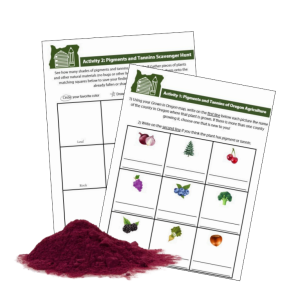
    When we think of farmers in Oregon producing popular crops such as beets, blueberries, hazelnuts, onions, and grapes, we might not first think of art supplies. However, these food crops, along with many other plant materials, often find their way into the art studio! Many paints, drawing tools, and fabric dyes contain pigments and tannins, which come from agricultural commodities, even rock and soil! This lesson allows students to utilize foods and other plant materials to discover exciting, naturally occurring colors growing in their gardens or school yards.

    Download Lesson Plan here: The Art of Food Plant Pigments and Tannins
  • 101 Common MossesLogin to Hold

    Total Available: 3 (of 5)

    Must be returned

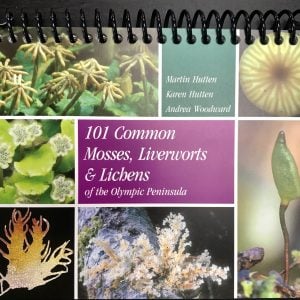
    101 Common Mosses, Liverworts & Lichens of the Olympic Peninsula

    Martin Hutten, Karen Hutten, Andrea Woodward

    This fun field guide will help students learn about the many different types of mosses, liverworts and lichens! The descriptions are very user friendly and include up-close pictures of each different plant form with details on their purpose and where they can be found. This item will need to be returned.
  • A Guide to Oregon's Forest WildlifeLogin to Hold

    Total Available: 1 (of 2)

    Must be returned

    A Guide to Oregon’s Forest Wildlife

    Oregon Forest Resources Institute

    Why so the different animals in Oregon's forests choose to live where they do? This booklet describes some of the wildlife associated with stands of different age classes.
  • A Guide to Priority Plant and Animal Species In Oregon ForestsLogin to Hold

    Total Available: 1 (of 5)

    Must be returned

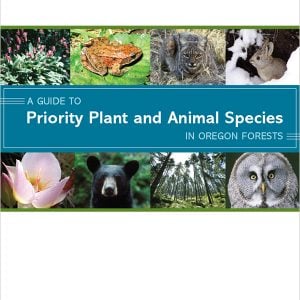
    A Guide to Priority Plant and Animal Species In Oregon Forests

    Oregon Forest Resources Institute

    This revised and updated publication is designed to assist forest landowners, land managers, students, and educators in understanding how forests provide habitat for different wildlife and plant species. It describes the specific habitat requirements of selected species found in forested habitats across all ecoregions in Oregon. It provides teachers and students a way to learn more about wildlife species and the forest habitats they use and helps landowners and land managers determine what species to include in their management plans.
  • Acres of Adventures – 1Login to Hold

    Total Available: 2 (of 2)

    Must be returned

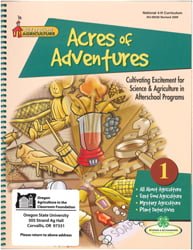
    Acres of Adventures – 1

    National 4-H Curriculum

    This is a two book series for educators desiring to enrich the scientific learning environment by tying lessons into week long celebrations of Agriculture. It is created by the National 4-H Curriculum for cultivating excitement for science and agriculture in school and in afterschool programs.
  • Monocots and DicotsLogin to Hold

    Total Available: 24 (of 1000)

    Does not need to be returned

    Monocots and Dicots

    Oregon Agriculture in the Classroom

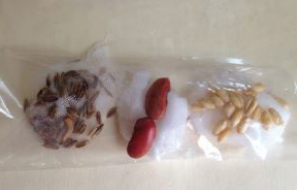
    In this lesson students set up a side-by-side germination experiment of monocot and dicot seeds. They will observe differences and similarities of these two types of flowering plants at the germination level, specifically the number of cotyledons. Students can record their findings daily. This is a great way to begin a flowering plant unit. This kit does not need to be returned. This Kit Includes: Grass seed, wheat seeds, bean seeds, zip lock bags, cotton balls, and a paper lesson plan Please put the number of students in your class in the quantity section at checkout to ensure the correct number of supplies gets to you.
  • PlaceholderLogin to Hold

    Total Available: 25 (of 1000)

    Does not need to be returned

    Grow a Bean in a Bag Kit

    Grow a bean in a bag using water beads! Each water bead is colored and represents the needs of plant for growth and development. This kit does not need to be returned.  This Kit Includes: Water beads, jewelry bags, beans, and a paper lesson plan Please put the number of students in your class in the quantity section at checkout to ensure the correct number of supplies gets to you.