Oregon Agriculture in the Classroom Logo

Featured Resources

Categories

Type

Grade Level

  • The Happy Kitchen CookbookLogin to Hold

    Total Available: 2 (of 2)

    Must be returned

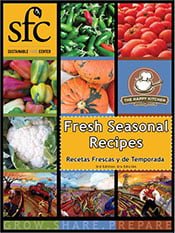
    The Happy Kitchen Cookbook

    SFC

    Over 100 fresh, seasonal recipes that are quick, easy-to-prepare, delicious and affordable. Recipes are in both English and Spanish.Más de 100 recetas de temporada que están rápidas, fáciles de preparar, ricas y económicas. Las recetas están en inglés y español.
  • The Man Who Fed the WorldLogin to Hold

    Total Available: 3 (of 1)

    Must be returned

    The Man Who Fed the World

    Leon Hesser

    Dr. Norman Borlaug, one of the world's greatest heroes, is the most highly-decorated individual of our time. He is credited with saving over a billion people from starvation. Dr. Borlaug is only one of seven people in history to win all three of the following awards: the Nobel Peace Prize, the Presidential Medal of Freedom and the Congressional Gold Medal. In addition, Dr. Borlaug received the Padma Vibhushan, the highest civilian award the government of India can present to a non-citizen. The Man Who Fed the World has won three national book of the year awards: USA Booknews best Biography of the Year. The American Farm Bureau for Agriculture Best Book of the Year award, and Florida Publishers Association Best Book Award. This book needs to be returned. 
  • The Soul of SoilLogin to Hold

    Total Available: 1 (of 1)

    Must be returned

    The Soul of Soil

    Grace Gershuny, Joe Smillie

    This a sensible book, well-focused, and highly readable handbook that provides essential information on the care of our most precious resource, our soil. Soil-building techniques include: organic matter management; on-site composting; cultivation and weed control; green manures and rotations; nutrient balances and soil testing; planning for organic certification. The Soul of Soil is more relevant than ever as the importance of organic certification is becoming widely recognized. This book needs to be returned. 
  • The Story of FoodLogin to Hold

    Total Available: 1 (of 1)

    Must be returned

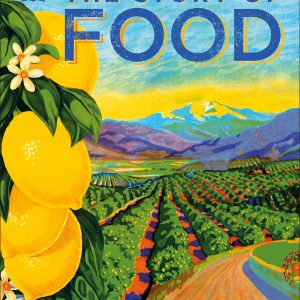
    The Story of Food

    DK

    This glorious visual celebration of food in all its forms reveals the extraordinary cultural impact of the foods we eat, explores the early efforts of humans in their quest for sustenance, and tells the fascinating stories behind individual foods. With profiles of the most culturally and historically interesting foods of all types, from nuts and grains, fruits and vegetables, and meat and fish, to herbs and spices, this fascinating culinary historical reference provides the facts on all aspects of each food's unique story. Feature spreads shine a spotlight on influential international cuisines and the local foods that built them. The Story of Food explains how foods have become the cornerstone of our culture, from their origins to how they are eaten and their place in world cuisine.The Story of Food is packed with sumptuous and evocative images that create a feast for the eyes, while the stories intrigue, surprise, and enthrall, making it the perfect gift for food lovers, cooks, gourmets, and history lovers with a penchant for food.
  • TomatoesLogin to Hold

    Total Available: 8 (of 8)

    Must be returned

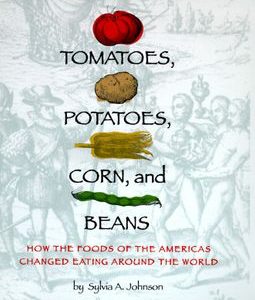
    Tomatoes, Potatoes, Corn, and Beans

    Sylvia A. Johnson

    Native American farmers were well acquainted with the plants that grew in their world. In ancient times, they had domesticated wild plants to produce many varieties of maize, potatoes, beans, and squash. These basic foods became staples in large parts of the Americas. The fat red tomatoes and glossy peppers that seemed so exotic to early European explorers were familiar crops to many native farmers. And Native American cooks knew hundreds of ways to prepare and serve their grains, fruits, and vegetables. This book will need to be returned.
  • Trees to KnowLogin to Hold

    Total Available: 2 (of 2)

    Must be returned

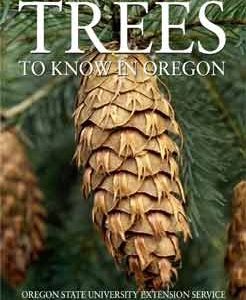
    Trees to Know

    Oregon State University Extension Services

    Get to know the trees of Oregon and learn how to identify them. This book needs to be returned. 
  • Incubator [Washington County]Login to Hold

    Out of Stock. Backorder Available.

    Must be returned

    Incubator [Washington County]

    Brinsea

    We will have a limited number of incubators available. If you would like to reserve one, please send the Washington County coordinator an email at anita.spaeth@oregonstate.edu.Easy to use, high quality, egg incubators.  All your students can watch eggs hatch...every time. Before you undertake hatching eggs in your classroom, Oregon Agriculture in the Classroom Foundation strongly recommends you educate yourself on the requirements for successfully hatching eggs and caring for chicks. PLEASE READ Checking Out Incubators, through to the agreement below, before reserving your incubator.Resources: Shipping to you is free but you are responsible for return shipping.  Shipping costs can range from $13-$22. Checking Out Incubators:
    • Incubators are checked out on a first come, first serve basis.  It is highly recommended you reserve your incubators well in advance.
    • We highly encourage at least 12 students will be involved in the incubation process. If you have questions on whether or not you qualify, please call the office at 541-737-1318.
    • Incubators can be checked out for five weeks.  This check out time frame is intended for chicken eggs; if you plan on hatching a different species, please let us know so we can adjust the time accordingly. Be sure to have ordered eggs ahead of time.  Also the incubators need 24 hours of lead running time, before the eggs can be placed in them.
    • AITC does not supply eggs for incubation.  Fertile eggs may be purchased from farm supply stores or online.
    • Cleaning Cost: A fee of $25 will be charged if the unit is returned dirty.  AITC expects the unit to be returned as clean as it was shipped to you.
    • Late Fee: A fee of $25 will be charged if the unit is not returned on time.  These units are in high demand and AITC has limited resources to meet requests.  Therefore, cooperation in returning materials in a timely manner is extremely important.
    • In the comment section at checkout, please indicate 2-3 dates that you would like to receive the incubator.  A staff member will check your requested dates with incubator availability and email you to you confirming your order.
    Please be sure the following items are in the box upon return.  If something is damaged or missing you will be charged for the item or part as indicated. • Incubator: $199.99 • Egg Insert: $19.99 • Plug Top and Transformer: $19.99 • Water Pot Guard: $4.99 • Instruction Manual: $1.50 • If the incubator is not returned thoroughly clean, a $25 fee will be charged

    By checking out this item, you agree to and understand all outlined procedures, as well as terms and conditions, for checking out, using, and returning incubators.  You accept full responsibility for conditions under which chickens are kept, and promise to treat them humanely, give them adequate food, water, heating, and space, and find appropriate care for the chickens after they have been hatched and the classroom lesson is over.

  • Chinook Rubber Fish ReplicasLogin to Hold

    Out of Stock. Backorder Available.

    Must be returned

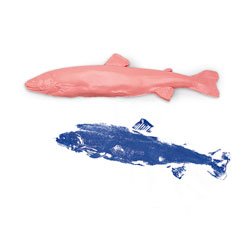
    Chinook Rubber Fish Replicas

    Get Oregonized

    After studying fish and their lifecycles in Oregon's Interior Valleys (chapter 7) in the Get Oregonized text, rubber fish replicas allow students to create beautiful Gyotaku (fish prints). These rubber fish replicas are of chinook salmon, perfect for after a lesson on the state fish!
  • A Weed is a FlowerLogin to Hold

    Out of Stock. Backorder Available.

    Must be returned

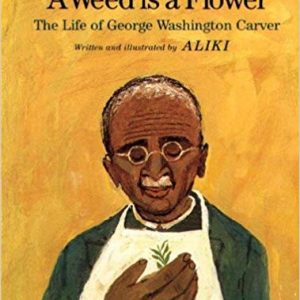
    A Weed is a Flower

    ALIKI

    George Washington Carver often said that a weed is a flower growing in the wrong place. He might have said this about himself. As the child of slaves, he grew up eager to learn, but was unable to find a school in his neighborhood that would accept black students. It was twenty years before he had enough money saved to go to college, but eventually George Washington Carver became a professor at the Tuskegee Institute in Alabama. There he was able to teach poor farmers the value of plants such as the sweet potato and the peanut - crops that were almost unknown at the time, but for which he invented hundreds of uses.Written and illustrated with affection for "a wonderful man who devoted his whole life to making life better for others," Aliki's biography tells the remarkable story of a great figure in African American history who is now recognized as the most prominent Black scientist of the early twentieth century. This book needs to be returned. 
  • Monocots and DicotsLogin to Hold

    Out of Stock. Backorder Available.

    Does not need to be returned

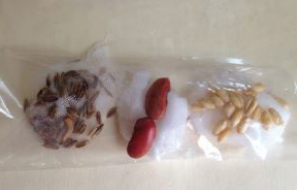
    Monocots and Dicots

    Oregon Agriculture in the Classroom

    In this lesson students set up a side-by-side germination experiment of monocot and dicot seeds. They will observe differences and similarities of these two types of flowering plants at the germination level, specifically the number of cotyledons. Students can record their findings daily. This is a great way to begin a flowering plant unit.This kit does not need to be returned.This Kit Includes:Grass seed, wheat seeds, bean seeds, zip lock bags, cotton balls, and a paper lesson planPlease put the number of students in your class in the quantity section at checkout to ensure the correct number of supplies gets to you.
  • PlaceholderLogin to Hold

    Out of Stock. Backorder Available.

    Does not need to be returned

    Grow a Bean in a Bag Kit

    Grow a bean in a bag using water beads! Each water bead is colored and represents the needs of plant for growth and development.This kit does not need to be returned. This Kit Includes:Water beads, jewelry bags, beans, and a paper lesson planPlease put the number of students in your class in the quantity section at checkout to ensure the correct number of supplies gets to you.
  • Agricultural DronesLogin to Hold

    Out of Stock. Backorder Available.

    Must be returned

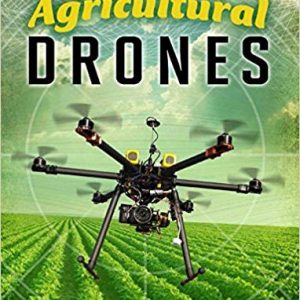
    Agricultural Drones

    Simon Rose

    Farm fields can span hundreds of acres. With so much area to cover, checking crops and livestock can be difficult. But with an agricultural drone, this job becomes much simpler. Young readers will discover how drones help farmers maximize efficiencies and bring abundant harvests. This book needs to be returned. 
  • What's for Lunch?: How Schoolchildren Eat Around the WorldLogin to Hold

    Out of Stock. Backorder Available.

    Must be returned

    What’s for Lunch?: How Schoolchildren Eat Around the World

    Andrea Curtis

    In What's For Lunch Andrea Curtis reveals the variety and inequality to be found in the food consumed by young people in typical school lunches from thirteen countries around the world, including Japan, Kenya, Russia, United States and Canada, Mexico, Brazil, and Afghanistan. In some countries, the meals are nutritious and well-balanced. In others they barely satisfy basic nutrition standards. This book needs to be returned. 
  • Bees of OregonLogin to Hold

    Out of Stock. Backorder Available.

    Does not need to be returned

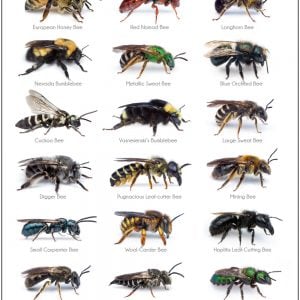
    Bees of Oregon

    Insect Pest Prevention and Management

    Out of more than 500 bee species in Oregon, this poster selects 18 bees including specie names and a detailed picture. Students will be shocked when they see what these many bee species look like and how they differ. This poster does not need to be returned.
  • Carbon Cycling PosterLogin to Hold

    Out of Stock. Backorder Available.

    Does not need to be returned

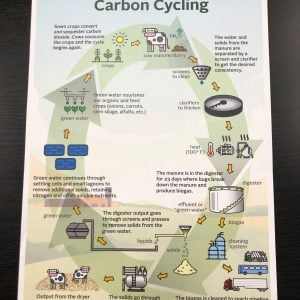
    Carbon Cycling Poster

    Threemile Canyon Farms

    This poster illustrates the carbon cycle in detail with descriptions and pictures at each step. This item does not need to be returned.
  • Chinook Rubber Fish ReplicasLogin to Hold

    Out of Stock. Backorder Available.

    Must be returned

    Chinook Rubber Fish Replicas

    Get Oregonized

    After studying fish and their lifecycles in Oregon's Interior Valleys (chapter 7) in the Get Oregonized text, rubber fish replicas allow students to create beautiful Gyotaku (fish prints). These rubber fish replicas are of chinook salmon, perfect for after a lesson on the state fish!