Oregon Agriculture in the Classroom Logo

Featured Resources

Categories

Type

Grade Level

  • The Girl Who Drew ButterfliesLogin to Hold

    Total Available: 2 (of 2)

    Must be returned

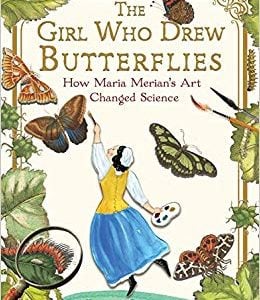
    The Girl Who Drew Butterflies

    Joyce Sidman

    One of the first naturalists to observe live insects directly, Maria Sibylla Merian was also one of the first to document the metamorphosis of the butterfly. In this visual nonfiction biography, richly illustrated throughout with full-color original paintings by Merian herself, the Newbery Honor–winning author Joyce Sidman paints her own picture of one of the first female entomologists and a woman who flouted convention in the pursuit of knowledge and her passion for insects.
  • The Happy Kitchen CookbookLogin to Hold

    Total Available: 2 (of 2)

    Must be returned

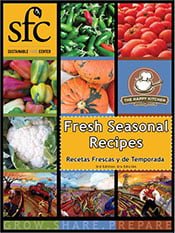
    The Happy Kitchen Cookbook

    SFC

    Over 100 fresh, seasonal recipes that are quick, easy-to-prepare, delicious and affordable. Recipes are in both English and Spanish.Más de 100 recetas de temporada que están rápidas, fáciles de preparar, ricas y económicas. Las recetas están en inglés y español.
  • The Man Who Fed the WorldLogin to Hold

    Total Available: 3 (of 1)

    Must be returned

    The Man Who Fed the World

    Leon Hesser

    Dr. Norman Borlaug, one of the world's greatest heroes, is the most highly-decorated individual of our time. He is credited with saving over a billion people from starvation. Dr. Borlaug is only one of seven people in history to win all three of the following awards: the Nobel Peace Prize, the Presidential Medal of Freedom and the Congressional Gold Medal. In addition, Dr. Borlaug received the Padma Vibhushan, the highest civilian award the government of India can present to a non-citizen. The Man Who Fed the World has won three national book of the year awards: USA Booknews best Biography of the Year. The American Farm Bureau for Agriculture Best Book of the Year award, and Florida Publishers Association Best Book Award. This book needs to be returned. 
  • The Soul of SoilLogin to Hold

    Total Available: 1 (of 1)

    Must be returned

    The Soul of Soil

    Grace Gershuny, Joe Smillie

    This a sensible book, well-focused, and highly readable handbook that provides essential information on the care of our most precious resource, our soil. Soil-building techniques include: organic matter management; on-site composting; cultivation and weed control; green manures and rotations; nutrient balances and soil testing; planning for organic certification. The Soul of Soil is more relevant than ever as the importance of organic certification is becoming widely recognized. This book needs to be returned. 
  • The Story of FoodLogin to Hold

    Total Available: 1 (of 1)

    Must be returned

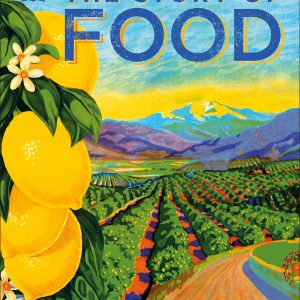
    The Story of Food

    DK

    This glorious visual celebration of food in all its forms reveals the extraordinary cultural impact of the foods we eat, explores the early efforts of humans in their quest for sustenance, and tells the fascinating stories behind individual foods. With profiles of the most culturally and historically interesting foods of all types, from nuts and grains, fruits and vegetables, and meat and fish, to herbs and spices, this fascinating culinary historical reference provides the facts on all aspects of each food's unique story. Feature spreads shine a spotlight on influential international cuisines and the local foods that built them. The Story of Food explains how foods have become the cornerstone of our culture, from their origins to how they are eaten and their place in world cuisine.The Story of Food is packed with sumptuous and evocative images that create a feast for the eyes, while the stories intrigue, surprise, and enthrall, making it the perfect gift for food lovers, cooks, gourmets, and history lovers with a penchant for food.
  • TomatoesLogin to Hold

    Total Available: 8 (of 8)

    Must be returned

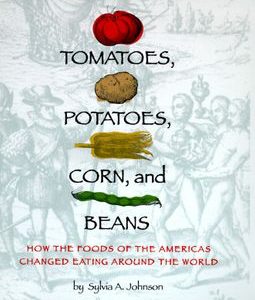
    Tomatoes, Potatoes, Corn, and Beans

    Sylvia A. Johnson

    Native American farmers were well acquainted with the plants that grew in their world. In ancient times, they had domesticated wild plants to produce many varieties of maize, potatoes, beans, and squash. These basic foods became staples in large parts of the Americas. The fat red tomatoes and glossy peppers that seemed so exotic to early European explorers were familiar crops to many native farmers. And Native American cooks knew hundreds of ways to prepare and serve their grains, fruits, and vegetables. This book will need to be returned.
  • Trees to KnowLogin to Hold

    Total Available: 2 (of 2)

    Must be returned

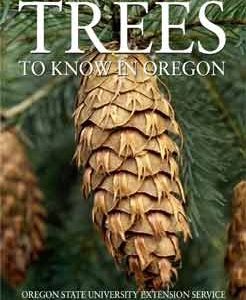
    Trees to Know

    Oregon State University Extension Services

    Get to know the trees of Oregon and learn how to identify them. This book needs to be returned. 
  • Where Should Development Go? PendletonLogin to Hold

    Total Available: 8 (of 4)

    Does not need to be returned

    Where Should Development Go? Pendleton

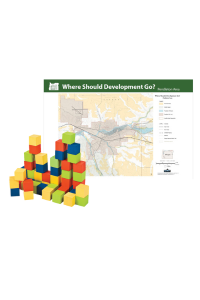
    Students learn about the challenges of planning for development while still protecting important farmland, forestland and wildlife habitat. This two-part lesson allows students to brainstorm creative solutions using critical thinking, math, teamwork and problem solving skills.This lesson includes six topography maps, a lesson and corresponding activity that has colored blocks to complete it with. This item does not need to be returned.Download LessonDownload Activity  
  • Mini Classroom Greenhouse (Washington County only)Login to Hold

    Out of Stock. Backorder Available.

    Must be returned

    Mini Classroom Greenhouse (Washington County only)

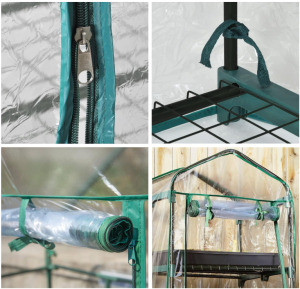
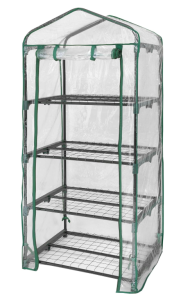
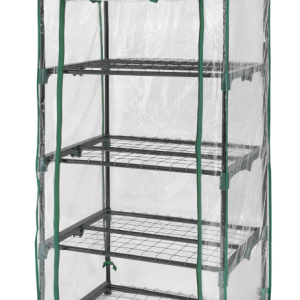
    Start seedlings in your classroom with our mini greenhouse rental. This easy-to-assemble, compact greenhouse is constructed with a steel tubular frame. The clear PVC cover allows a significant amount of light to reach the plants. The greenhouse can be assembled in about 15 minutes with quick snap assembly. No tools required. Get an early start on fresh fruits, vegetables, and herbs with your class!This greenhouse can be rented for up to 3 months. The Washington County office currently has 2 greenhouses available. Greenhouse must be cleaned and neatly repackaged after use. Replacement fee of $39.95 for lost or damaged greenhouse.
    • PORTABLE AND COMPACT GREENHOUSE: Outdoor 23" x 17" x 57" 4-tier mini grow house is ideal for small growing projects. 4 shelves with adjustable heights.
    • REDUCES HARMFUL RAYS: 4.4 oz thick clear PVC fabric cover allows a significant amount of light to reach the plants, while reducing the amount of harmful UV light, and features integrated tie-downs for a tight fit
    • EASY ACCESS: Double zipper door panel rolls up allowing easy access to plants and seeds
    • QUICK AND EASY ASSEMBLY: Greenhouse can be assembled in about 15 minutes with quick snap assembly and no tools are required.
  • Incubator [Washington County]Login to Hold

    Out of Stock. Backorder Available.

    Must be returned

    Incubator [Washington County]

    Brinsea

    We will have a limited number of incubators available. If you would like to reserve one, please send the Washington County coordinator an email at anita.spaeth@oregonstate.edu.Easy to use, high quality, egg incubators.  All your students can watch eggs hatch...every time. Before you undertake hatching eggs in your classroom, Oregon Agriculture in the Classroom Foundation strongly recommends you educate yourself on the requirements for successfully hatching eggs and caring for chicks. PLEASE READ Checking Out Incubators, through to the agreement below, before reserving your incubator.Resources: Shipping to you is free but you are responsible for return shipping.  Shipping costs can range from $13-$22. Checking Out Incubators:
    • Incubators are checked out on a first come, first serve basis.  It is highly recommended you reserve your incubators well in advance.
    • We highly encourage at least 12 students will be involved in the incubation process. If you have questions on whether or not you qualify, please call the office at 541-737-1318.
    • Incubators can be checked out for five weeks.  This check out time frame is intended for chicken eggs; if you plan on hatching a different species, please let us know so we can adjust the time accordingly. Be sure to have ordered eggs ahead of time.  Also the incubators need 24 hours of lead running time, before the eggs can be placed in them.
    • AITC does not supply eggs for incubation.  Fertile eggs may be purchased from farm supply stores or online.
    • Cleaning Cost: A fee of $25 will be charged if the unit is returned dirty.  AITC expects the unit to be returned as clean as it was shipped to you.
    • Late Fee: A fee of $25 will be charged if the unit is not returned on time.  These units are in high demand and AITC has limited resources to meet requests.  Therefore, cooperation in returning materials in a timely manner is extremely important.
    • In the comment section at checkout, please indicate 2-3 dates that you would like to receive the incubator.  A staff member will check your requested dates with incubator availability and email you to you confirming your order.
    Please be sure the following items are in the box upon return.  If something is damaged or missing you will be charged for the item or part as indicated. • Incubator: $199.99 • Egg Insert: $19.99 • Plug Top and Transformer: $19.99 • Water Pot Guard: $4.99 • Instruction Manual: $1.50 • If the incubator is not returned thoroughly clean, a $25 fee will be chargedBy checking out this item, you agree to and understand all outlined procedures, as well as terms and conditions, for checking out, using, and returning incubators.  You accept full responsibility for conditions under which chickens are kept, and promise to treat them humanely, give them adequate food, water, heating, and space, and find appropriate care for the chickens after they have been hatched and the classroom lesson is over.

  • Humongous FungusLogin to Hold

    Out of Stock. Backorder Available.

    Must be returned

    Humongous Fungus

    Lynne Boddy

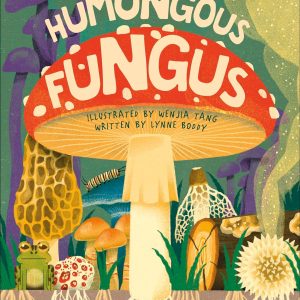
    Did you know that fungi can be grown to make medicine for humans? Or that the most mushrooms can be seen in autumn? This picture book about nature is packed with fun facts about fungi. It includes gross-out stories of fungal infections that kids will love, incredible facts about "bananageddon", crop disease, epidemics, and zombified ants! It’s the ultimate gift for children who are interested in nature and microorganisms. Book must be returned.
  • A Guide to Oregon's Forest WildlifeLogin to Hold

    Out of Stock. Backorder Available.

    Must be returned

    A Guide to Oregon’s Forest Wildlife

    Oregon Forest Resources Institute

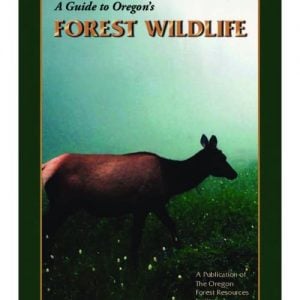
    Why so the different animals in Oregon's forests choose to live where they do? This booklet describes some of the wildlife associated with stands of different age classes.
  • The Organic Artist for KidsLogin to Hold

    Out of Stock. Backorder Available.

    Must be returned

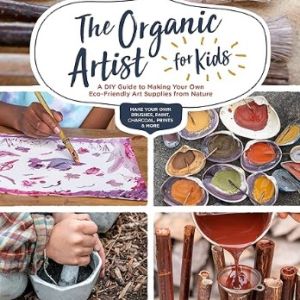
    The Organic Artist for Kids

    Nick Neddo

    The Organic Artist for Kids inspires creativity by connecting kids and their adults to our wilderness roots. This book offers a wide variety of fun, collaborative projects using nature as a source for art supplies and inspiration, and also introduces the concepts of awareness and perception that are fundamental to the creative process. Children will be encouraged to learn new skills, build resilience, and be resourceful as part of an urgent struggle to prevent and undo Nature Deficit Disorder. Rooted in experimentation and an understanding that fun is fundamental to learning, kids will refine their drawing skills, as well as increase their appreciation for the visual arts and the natural landscape. Book must be returned.
  • Agricultura...nos da más que sólo comidaLogin to Hold

    Out of Stock. Backorder Available.

    Must be returned

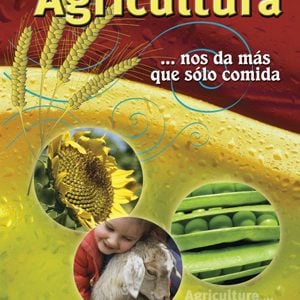
    Agricultura…nos da más que sólo comida

    This book gives great lessons on agriculture in both English and Spanish.This book needs to be returned. 
  • What's for Lunch?: How Schoolchildren Eat Around the WorldLogin to Hold

    Out of Stock. Backorder Available.

    Must be returned

    What’s for Lunch?: How Schoolchildren Eat Around the World

    Andrea Curtis

    In What's For Lunch Andrea Curtis reveals the variety and inequality to be found in the food consumed by young people in typical school lunches from thirteen countries around the world, including Japan, Kenya, Russia, United States and Canada, Mexico, Brazil, and Afghanistan. In some countries, the meals are nutritious and well-balanced. In others they barely satisfy basic nutrition standards. This book needs to be returned. 
  • Careers in ConservationLogin to Hold

    Out of Stock. Backorder Available.

    Does not need to be returned

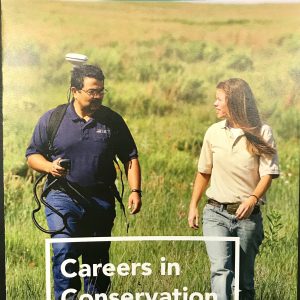
    Careers in Conservation

    United States Department of Agriculture

    This brochure engages readers in the foundation and mission of Natural Resources Conservation Services as well as career opportunities and how to get involved.