Oregon Agriculture in the Classroom Logo

Featured Resources

Categories

Type

Grade Level

  • Growing Patterns - Fibonacci NumbersLogin to Hold

    Total Available: 3 (of 3)

    Must be returned

    Growing Patterns – Fibonacci Numbers

    Sarah Campbell

    What's the biggest mathematical mystery in nature? Fibonacci numbers! The pattern creeps up in the most unexpected places. It's clear that math holds secrets to nature and that nature holds secret numbers. This book will need to be returned.
  • Growing Up with Tamales/Los Tamales de AnaLogin to Hold

    Total Available: 2 (of 2)

    Must be returned

    Growing Up with Tamales/Los Tamales de Ana

    Grewndolyn Zepeda

    This delightful bilingual picture book for children examines sibling rivalry and an important Hispanic tradition: making tamales!Este libro bilingüe y encantador para los niños examina la rivalidad entre hermanas y una tradición hispánica: la fabricación de tamales!
  • Grown In Oregon Map PosterLogin to Hold

    Total Available: 475 (of 1000)

    Does not need to be returned

    Grown In Oregon Map Poster

    This beautiful 36 X 24 inch full color Oregon map features the leading and unique commodities grown in the state’s seven regions. It is an excellent tool to bring the story of Oregon’s agricultural diversity to the classroom.The Grown in Oregon Map helps students visualize where things are grown in our state and why. It is a great tool for teaching regions. It can be used to learn about counties, or for starting a discussion on nutrition and the abundance of healthy produce in our state.Maps are free to Oregon teachers. This item does not need to be returned.Non-teachers pay $10 for shipping and handling costs. To order map, Click HERE
  • Grown in Oregon Map- Regions and Commodities

    Oregon Agriculture in the Classroom

    These free full color Oregon map documents feature the leading and unique commodities grown in the state’s seven regions. It is an excellent tool to bring the story of Oregon’s agricultural diversity to the classroom.The Grown in Oregon Map- Student Version helps students visualize where things are grown in our state and why. It is a great tool for teaching regions. It can be used to learn about counties, or for starting a discussion on nutrition and the abundance of healthy produce in our state.It is a two- sided document. Order a set for your classroom today. A printable 8.5″ x 11″ version is available as well download here.Please put the number of desired sheets in the quantity section at checkout to ensure the correct number of copies gets to you. These do not need to be returned. 
  • HeyLogin to Hold

    Total Available: 2 (of 2)

    Must be returned

    Hey, Hey, Hay

    Christy Mihaly

    Every bale of hay has a little bit of summer sun stored in the heart of it— learn from a mother-daughter team how hay is made!Feeding her horses one cold and wintry day, a girl thinks about all the hard work that went into the fresh-smelling bales she's using. The rhyming text and brilliant full-page paintings follow the girl and her mother through the summer as they cut, spread, dry and bale in the fields. This book needs to be returned.  This book could also be paired with the lesson plan for "A Hundred Bales of Hay".
  • Potatoes - What's for LunchLogin to Hold

    Total Available: 3 (of 3)

    Must be returned

    Honey – What’s for Lunch

    This book explains the many different uses of honey. Students learn what nutrients they get from this food, and why it is important to eat a balanced diet. Part of the What’s for Lunch series. This book needs to be returned. 
  • Horses Horses Horses - Rookie Read SeriesLogin to Hold

    Total Available: 1 (of 1)

    Must be returned

    Horses Horses Horses – Rookie Read Series

    Allan Fowler

    This book is part of the Rookie Read Series. This focuses on horses. These are easy to read, perfect for beginning readers to learn about animals.This book needs to be returned. 
  • How Many Seeds in a Pumpkin?Login to Hold

    Total Available: 9 (of 7)

    Must be returned

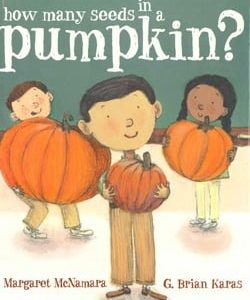
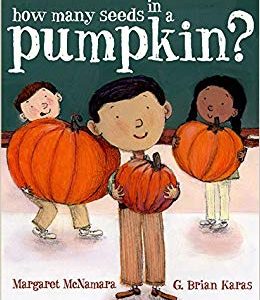
    How Many Seeds in a Pumpkin?

    Margaret NeNara

    Here is an adorable picture book for curious kids, which explores skip counting and estimation in a fun pumpkin-themed classroom experiment. "How many seeds are in a pumpkin?" Mr. Tiffin asks his class as they gather around the big, medium, and small pumpkins on his desk. Robert, the biggest kid, guesses that the largest one has a million seeds; Elinor, sounding like she knows what she's talking about, guesses the medium one has 500 seeds; and Anna, who likes even numbers better than odd ones, guesses that the…This is a great read which pairs with our Pumpkin Math Lessons. This book will need to be returned.

  • How Living Things Grow: From Egg to ChickenLogin to Hold

    Total Available: 8 (of 10)

    Must be returned

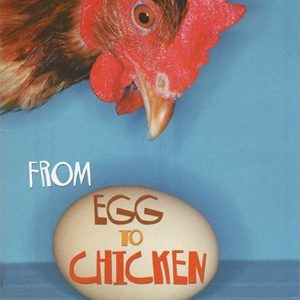
    From Egg to Chicken: How Living Things Grow

    Anita Ganeri

    This life cycle book uses a strong narrative in order to tell the story of an egg to a chicken. A question box feature throughout the book encourages readers to interact with the text and prompt them to think about what they are learning in order to predict what might happen next. A great book to study lifecycles. This book will need to be returned.
  • How a Seed GrowsLogin to Hold

    Total Available: 1 (of 3)

    Must be returned

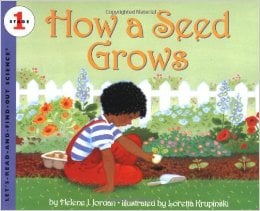
    How a Seed Grows

    Helene J. Jordan

    How does a tiny acorn grow into an enormous oak tree? With beautiful and accurate watercolor illustrations this book traces the process of how a little seed grows into the plants and trees that surround us. This book supports the Common Core Learning Standards and Next Generation Science Standards. This book needs to be returned. 
  • How Did That Get in my Lunchbox? The Story of FoodLogin to Hold

    Total Available: 6 (of 6)

    Must be returned

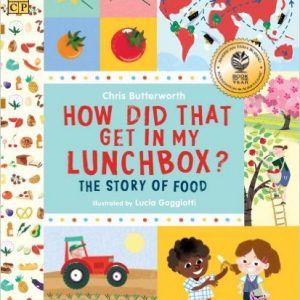
    How Did That Get in my Lunchbox? The Story of Food

    Chris Butterworth

    One of the best parts of a young child’s day is opening a lunchbox and diving in. But how did that delicious food get there? From planting wheat to mixing dough, climbing trees to machine-squeezing fruit, picking cocoa pods to stirring a vat of melted bliss, here is a clear, engaging look at the steps involved in producing some common foods. Health tips and a peek at basic food groups complete the menu. This book will need to be returned.
  • How Many Seeds in a PumpkinLogin to Hold

    Total Available: 10 (of 2)

    Must be returned

    How Many Seeds in a Pumpkin

    Margaret NeNara

    Here is an adorable picture book for curious kids, which explores skip counting and estimation in a fun pumpkin-themed classroom experiment. This book makes a wonderful read-aloud companion to any math or science curriculum, and it's a fun way to reinforce counting skills at home.
  • How to Grow a School Garden: A Complete Guide for Parents and TeachersLogin to Hold

    Total Available: 1 (of 2)

    Must be returned

    How to Grow a School Garden: A Complete Guide for Parents and Teachers

    Arden Bucklin-Sporer and Rachel Kathleen Pringle

    In this groundbreaking resource, two school garden pioneers offer parents, teachers, and school administrators everything they need to know to build school gardens and to develop the programs that support them. Today both schools and parents have a unique opportunity—and an increasing responsibility—to cultivate an awareness of our finite resources, to reinforce values of environmental stewardship, to help students understand concepts of nutrition and health, and to connect children to the natural world. What better way to do this than by engaging young people, their families, and teachers in the wondrous outdoor classroom that is their very own school garden?
  • Hungry JohnnyLogin to Hold

    Total Available: 2 (of 2)

    Must be returned

    Hungry Johnny

    Cheryl Minnema

    "I like to eat, eat, eat," choruses young Johnny as he watches Grandma at work in the kitchen. Wild rice, fried potatoes, fruit salad, frosted sweet rolls—what a feast! Johnny can hardly contain his excitement. In no time, he'll be digging in with everyone else, filling his belly with all this good food.
  • I will Never Not Ever Eat a TomatoLogin to Hold

    Total Available: 2 (of 2)

    Must be returned

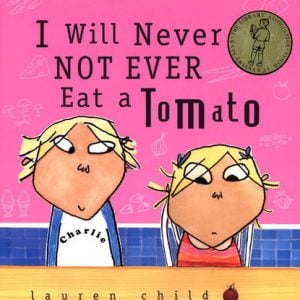
    I will Never Not Ever Eat a Tomato

    Lauren Child

    Lola is a fussy eater. A very fussy eater. She won’t eat her carrots (until her brother Charlie reveals that they’re orange twiglets from Jupiter). She won’t eat her mashed potatoes (until Charlie explains that they’re cloud fluff from the pointiest peak of Mount Fuji). There are many things Lola won’t eat, including - and especially - tomatoes. Or will she? Two endearing siblings star in a witty story about the triumph of imagination over proclivity. This book is a part of the JMG Learn, Eat, & Go Curriculum.
  • If It Weren't for Farmers - Rookie Read SeriesLogin to Hold

    Total Available: 2 (of 2)

    Must be returned

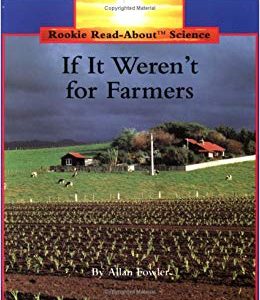
    If It Weren’t for Farmers – Rookie Read Series

    Allan Fowler

    This book is part of the Rookie Read Series. This focuses on farmers. These are easy to read, perfect for beginning readers to learn about agriculture. This book will need to be returned.