Oregon Agriculture in the Classroom Logo

Featured Resources

Categories

Type

Grade Level

  • Bread LabLogin to Hold

    Total Available: 1 (of 1)

    Must be returned

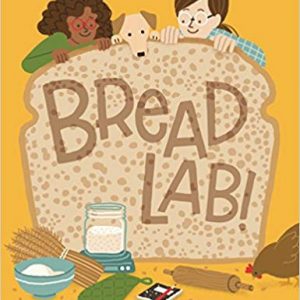
    Bread Lab

    Kim Binczewski & Bethany Econopouly

    It’s a sleepy Saturday morning for most people, but not for Iris, who has to feed her many pets before Aunt Mary arrives. Iris likes to call Aunt Mary “Plant Mary” because she is a plant scientist.Today Aunt Mary wants to experiment with making whole wheat sourdough bread from scratch! As the family kitchen transforms into a bread lab, Iris is surprised that bread needs only four ingredients―flour, water, salt and starter. She also learns about the invisible microbes that make the dough rise, and how flour comes from wheat grown by farmers. It all seems magical, but it’s really science. This book needs to be returned. 

  • BreadLogin to Hold

    Total Available: 4 (of 6)

    Must be returned

    Bread, Bread, Bread

    Ken Hayman

    From sliced bread to tortillas to baguettes, wherever there are people, someone is eating bread. Come explore the world of bread in this book full of photographs and see how people eat – and live – the world over. This book will need to be returned.
  • Carrots Grow UndergroundLogin to Hold

    Total Available: 2 (of 4)

    Must be returned

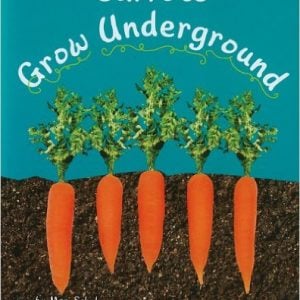
    Carrots Grow Underground

    Mari Schuh

    Simple text and photographs describe how carrots grow underground. This book needs to be returned. 
  • ChoiceLogin to Hold

    Total Available: 3 (of 3)

    Must be returned

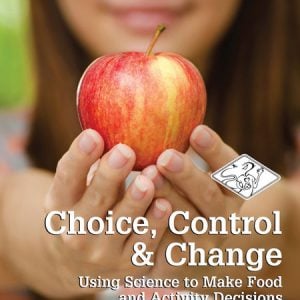
    Choice, Control, and Change

    Pamela A. Koch

    Middle school students learn science through studying diet and activity choices. They learn about how the human body works, and how food and activity play a role in its well-being. Students engage in hands-on investigations of food preference, our food environment, energy intake and expenditure, lifestyle-related diseases, and more. Finally, they explore and analyze their personal food choices through scientific reasoning and apply what they have learned to personal decisions related to their diet, physical activity, and overall health.
  • Come and Eat!Login to Hold

    Total Available: 2 (of 2)

    Must be returned

    Come and Eat!

    George Ancona

    We all need to eat in order to live, but not everyone goes about eating a meal the same way. Simple text and fun photographs answer the questions: who, when, how, what, where, and why we eat, introducing readers to a feast of food traditions from around the world.
  • CornLogin to Hold

    Total Available: 1 (of 3)

    Must be returned

    Corn

    Gail Gibbons

    Perennial nonfiction favorite Gail Gibbons turns her spotlight on corn. Popcorn, corn on the cob, corn dogs, cornflakes--corn is used in many children's favorite foods. This book offers a cornucopia of information about the history of corn as well as details concerning planting, cultivation, harvesting, and its many uses. This book will need to be returned.
  • Corn - A True BookLogin to Hold

    Total Available: 2 (of 3)

    Must be returned

    Corn – A True Book

    Elaine Landau

    Learn about corn in every way possible.  After reading this book your students will know how corn grow, where they grow, and the history behind corn. This book needs to be returned. 
  • Corn - An A to Z BookLogin to Hold

    Total Available: 3 (of 3)

    Must be returned

    Corn – An A to Z Book

    Susan Anderson, JoAnne Buggey

    Learn about the life cycle of corn from A-to-Z through the voice of a tractor named Agri-Culture. Everything your students want to know about corn is in this book. This book will need to be returned.
  • Cora Cooks PancitLogin to Hold

    Total Available: 2 (of 2)

    Must be returned

    Cora Cooks Pancit

    Dorina K. Lazo Gilmore

    Cora loves being in the kitchen, but she always gets stuck doing the kid jobs like licking the spoon. One day, however, when her older sisters and brother head out, Cora finally gets the chance to be Mama's assistant chef. And of all the delicious Filipino dishes that dance through Cora's head, she and Mama decide to make pancit, her favorite noodle dish.
  • Potatoes - What's for LunchLogin to Hold

    Total Available: 3 (of 3)

    Must be returned

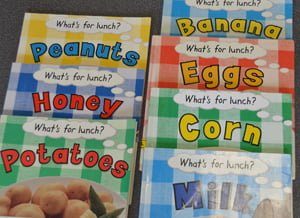
    Corn – What’s for Lunch

    This book explains the many different uses of corn. Students learn what nutrients they get from this food, and why it is important to eat a balanced diet. Part of the What’s for Lunch series. This book will need to be returned.
  • Corn in the Story in AgricultureLogin to Hold

    Total Available: 3 (of 3)

    Must be returned

    Corn in the Story in Agriculture

    Susan Anderson

    Learn the story about corn in agriculture from seed to harvest. This book will need to be returned.
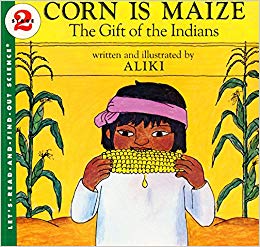
  • Corn is Maize - The Gift of the IndiansLogin to Hold

    Total Available: 4 (of 5)

    Must be returned

    Corn is Maize – The Gift of the Indians

    Aliki

    The story of maize and the Native American farmers who found and nourished it from a wild grass plant into the corn we know today. Clear accurate illustrations accompany text on each page. This book will need to be returned.
  • Corn is Maize: The Gift of the IndiansLogin to Hold

    Total Available: 5 (of 2)

    Must be returned

    Corn is Maize: The Gift of the Indians

    Aliki

    This is the story of maize and the Native American farmers who found and nourished it from a wild grass plant into the corn we know today. Clear accurate illustrations accompany text on each page.
  • Cranberries: Fruit of the BogsLogin to Hold

    Total Available: 3 (of 5)

    Must be returned

    Cranberries: Fruit of the Bogs

    Diane Burns

    This is an amazing book about cranberry farming in America.  It is full of award-winning photographs of daily tasks on a cranberry farm.  Take a tour of two cranberry farms in Wisconsin and  follow the author as she describes in clear, concise prose the activities that take place throughout the growing season. This book needs to be returned. 
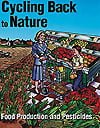
  • Cycling Back to Nature: Food Production and PesticidesLogin to Hold

    Total Available: 2 (of 5)

    Must be returned

    Cycling Back to Nature: Food Production and Pesticides

    Robert Horton

    This instructional unit is versatile and can be adapted to various grade levels. The guide contains information and lesson plans about the ecosystem, microorganisms, farmer role-playing, pesticides, and the environment, and world populations and food production. Well written and teacher friendly. These materials would be very useful in 5th grade science and economics education for grades 4-9.
  • Dear TomatoLogin to Hold

    Total Available: 1 (of 3)

    Must be returned

    Dear Tomato

    Collection of Poets

    From field to farmyard, to table to tummy, this amazing pairing of poetry about agriculture will entice your students to reflect on what they see on the farm. This book needs to be returned.