Oregon Agriculture in the Classroom Logo

Featured Resources

Categories

Type

Grade Level

  • Monocots and DicotsLogin to Hold

    Total Available: 39 (of 1000)

    Does not need to be returned

    Monocots and Dicots

    Oregon Agriculture in the Classroom

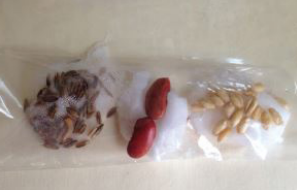
    In this lesson students set up a side-by-side germination experiment of monocot and dicot seeds. They will observe differences and similarities of these two types of flowering plants at the germination level, specifically the number of cotyledons. Students can record their findings daily. This is a great way to begin a flowering plant unit.This kit does not need to be returned.This Kit Includes:Grass seed, wheat seeds, bean seeds, zip lock bags, cotton balls, and a paper lesson planPlease put the number of students in your class in the quantity section at checkout to ensure the correct number of supplies gets to you.

  • PlaceholderLogin to Hold

    Total Available: 6 (of 1000)

    Does not need to be returned

    Grow a Bean in a Bag Kit

    Grow a bean in a bag using water beads! Each water bead is colored and represents the needs of plant for growth and development.This kit does not need to be returned. This Kit Includes:Water beads, jewelry bags, beans, and a paper lesson planPlease put the number of students in your class in the quantity section at checkout to ensure the correct number of supplies gets to you.

  • Agricultural DronesLogin to Hold

    Total Available: 1 (of 2)

    Must be returned

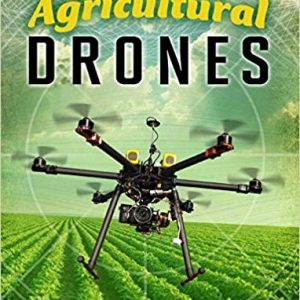
    Agricultural Drones

    Simon Rose

    Farm fields can span hundreds of acres. With so much area to cover, checking crops and livestock can be difficult. But with an agricultural drone, this job becomes much simpler. Young readers will discover how drones help farmers maximize efficiencies and bring abundant harvests. This book needs to be returned. 
  • Poetry of Agriculture KitLogin to Hold

    Total Available: 12 (of 1000)

    Does not need to be returned

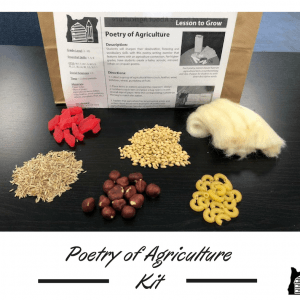
    Poetry of Agriculture Kit

    Students will sharpen their observation, listening and vocabulary skills with this poetry writing exercise that features items with an agriculture connection. The Poetry of Agriculture lesson is included with the kit and can also be viewed here. Take a look at Fresh-Picked Poetry - A Day at the Farmer's Market, an excellent companion book for this activity.This kit does not need to be returned. This Kit Includes:Agriculture related products, paper bags, and a paper lesson planPlease put the number of students in your class in the quantity section at checkout to ensure the correct number of supplies gets to you.
  • All Types of Minds BookmarksLogin to Hold

    Total Available: 31 (of 100)

    Does not need to be returned

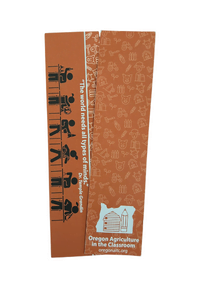
    All Types of Minds Bookmarks

    Receive a class set of 25 bookmarks.This kit does not need to be returned.
  • Bon Appetit: The Delicious Life of Julia ChildLogin to Hold

    Total Available: 2 (of 2)

    Must be returned

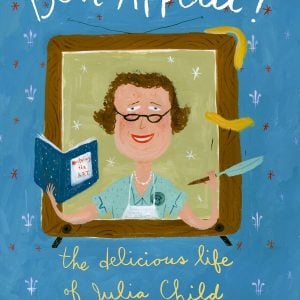
    Bon Appetit: The Delicious Life of Julia Child

    Jessie Hartland

    Follow Julia Child—chef, author, and television personality—from her childhood in Pasadena, California, to her life as a spy in WWII, to the cooking classes she took in Paris, to the publication of Mastering the Art of French Cooking, to the funny moments of being a chef on TV. Use this book to teach about the diversity of careers available in the food system!
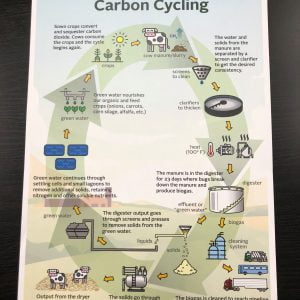
  • Carbon Cycling Poster

    Threemile Canyon Farms

    This poster illustrates the carbon cycle in detail with descriptions and pictures at each step. This item does not need to be returned.
  • ChoiceLogin to Hold

    Total Available: 3 (of 3)

    Must be returned

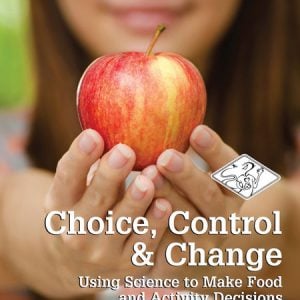
    Choice, Control, and Change

    Pamela A. Koch

    Middle school students learn science through studying diet and activity choices. They learn about how the human body works, and how food and activity play a role in its well-being. Students engage in hands-on investigations of food preference, our food environment, energy intake and expenditure, lifestyle-related diseases, and more. Finally, they explore and analyze their personal food choices through scientific reasoning and apply what they have learned to personal decisions related to their diet, physical activity, and overall health.
  • PlaceholderLogin to Hold

    Total Available: 22 (of )

    Does not need to be returned

    Columbian Exchange Kit

    Students explore New World and Old World food origins to discover how the Columbian Exchange altered people’s lives worldwide. This kit includes materials for six groups of students. Includes map and food product cards including banana, avocado, celery, peas, vanilla, wheat, cattle, black pepper, and more!
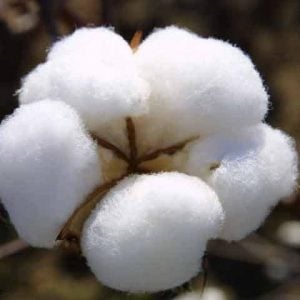
  • Cotton Boll

    These cotton bolls are a great way to show students how cotton grows. Feel free to tear it apart and inspect, no need to return! Pairs well with King Cotton Lesson.
  • Voices from the Field: Children of Migrant Farmworkers Tell Their StoriesLogin to Hold

    Total Available: 2 (of 2)

    Must be returned

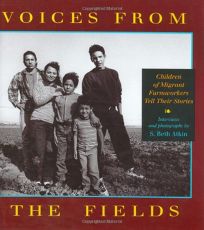
    Voices from the Field: Children of Migrant Farmworkers Tell Their Stories

    S. Beth Akin

    This critically acclaimed book features photographs, poems, and interviews with nine children who reveal the hardships and hopes of today's Mexican-American migrant farm workers and their families.
  • Wangari Maathai: The Woman who Planted Millions of TreesLogin to Hold

    Total Available: 2 (of 2)

    Must be returned

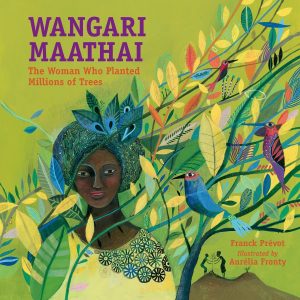
    Wangari Maathai: The Woman who Planted Millions of Trees

    Franck Prevot

    Wangari Maathai received the Nobel Peace Prize in 2004 for her efforts to lead women in a nonviolent struggle to bring peace and democracy to Africa through its reforestation. Her organization planted over thirty million trees in thirty years. This beautiful picture book tells the story of an amazing woman and an inspiring idea.
  • Who Was Cesar Chavez?Login to Hold

    Total Available: 2 (of 2)

    Must be returned

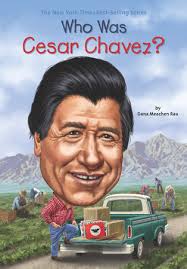
    Who Was Cesar Chavez?

    Dana Meachen Rau

    When he was young, Cesar and his Mexican American family toiled in the fields as migrant farm workers. He knew all too well the hardships farm workers faced. His public-relations approach to unionism and aggressive but nonviolent tactics made the farm workers' struggle a moral cause with nationwide support. Along with Dolores Huerta, he cofounded the National Farmworkers Association. His dedication to his work earned him numerous friends and supporters, including Robert Kennedy and Jesse Jackson.
  • Cranberries: Fruit of the BogsLogin to Hold

    Total Available: 3 (of 5)

    Must be returned

    Cranberries: Fruit of the Bogs

    Diane Burns

    This is an amazing book about cranberry farming in America.  It is full of award-winning photographs of daily tasks on a cranberry farm.  Take a tour of two cranberry farms in Wisconsin and  follow the author as she describes in clear, concise prose the activities that take place throughout the growing season. This book needs to be returned. 
  • Cycling Back to Nature: Food Production and PesticidesLogin to Hold

    Total Available: 2 (of 5)

    Must be returned

    Cycling Back to Nature: Food Production and Pesticides

    Robert Horton

    This instructional unit is versatile and can be adapted to various grade levels. The guide contains information and lesson plans about the ecosystem, microorganisms, farmer role-playing, pesticides, and the environment, and world populations and food production. Well written and teacher friendly. These materials would be very useful in 5th grade science and economics education for grades 4-9.
  • Cycling Back to Nature: Soils Alive! — From Tiny Rocks to CompostLogin to Hold

    Total Available: 4 (of 11)

    Must be returned

    Cycling Back to Nature: Soils Alive! — From Tiny Rocks to Compost

    Robert Horton

    This hands-on guide explores Mother Nature's development of soil and soil enhancements through composting.