Oregon Agriculture in the Classroom Logo

Featured Resources

Categories

Type

Grade Level

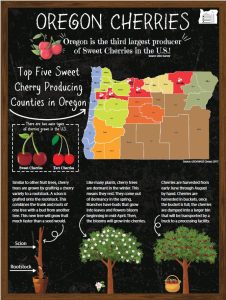
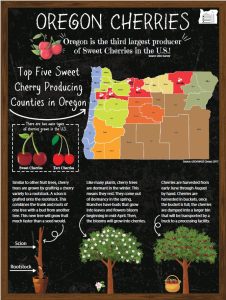
  • Oregon Cherries Poster

    This 1-sided 18x24" poster features Oregon's cherry industry. A great addition to celebrate the upcoming Spring season.
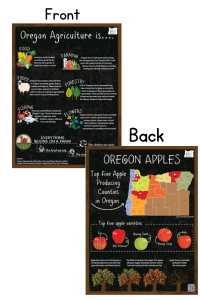
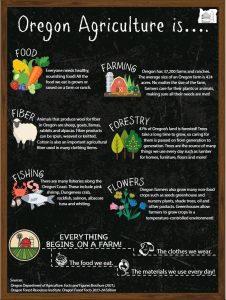
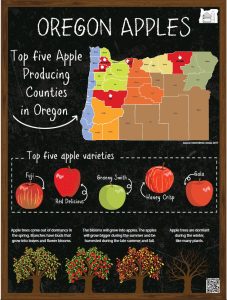
  • 6 F’s of Agriculture & Oregon Apples Poster

    This 2-sided 18x24" poster outlines the 6 F's of Oregon Agriculture to help students define the word agriculture. The backside features information on Oregon Apples highlighting top varieties and the life cycle of apples.
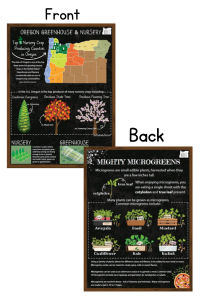
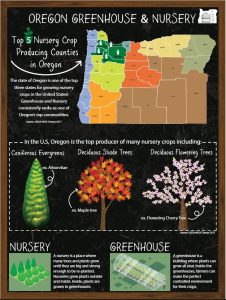
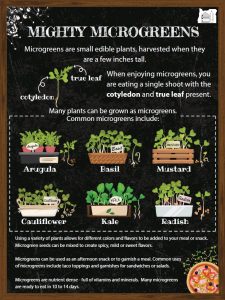
  • Greenhouse & Nursery and Mighty Microgreens Poster

    This 2-sided 18x24" poster features the Greenhouse and Nursery industry, Oregon's top agricultural commodity. On the back side, the poster features information on microgreens, small edible plants that make great snacks for students!
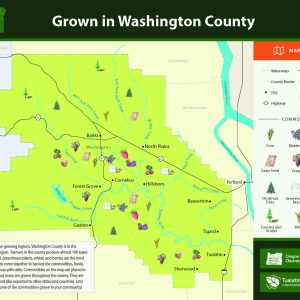
  • Grown in Washington County Map

    This beautiful 8.5 x 11 inch full color map of Washington County features unique commodities grown in the county. It is an excellent tool to bring a piece of the story one County plays in Oregon’s agricultural diversity to the classroom.The Grown in Washington County Map helps students visualize where things are grown right in their backyard. On the back of the map student's can learn some more information about the unique commodities grown in the County and how they support the diversity of Oregon agriculture.Maps are free to Oregon teachers. If you would like a classroom set please let us know how many to send!
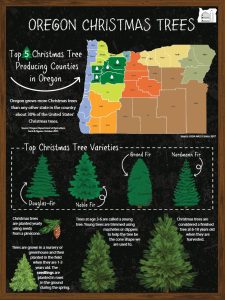
  • Oregon Christmas Trees Poster

    This 1-sided 18x24" poster features information on Oregon Christmas trees, highlighting top varieties and the life cycle.
  • 'Til The Cows Come HomeLogin to Hold

    Total Available: 14 (of 19)

    Must be returned

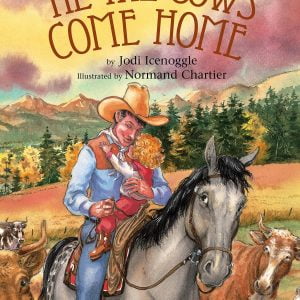
    ‘Til The Cows Come Home

    Jodi Icenoggle

    The author lassos a traditional Jewish folktale, "The Button Story", sets it in the American West, and rigs it up with tongue-tingling cowboy language to create an engaging story. A young cowboy, gifted in making saddles and bridles, receives a sturdy, soft-as-silk piece of leather from a grateful cowpuncher and stitches it into a pair of "whoopi-ti-yi-yo chaps." Follow the leather through the young cowboy’s life. The companion book to the Ag Tag Matching Game lesson plan and the Ag Tag Matching Game Kit. Please check the kit out separately. This book needs to be returned. 
  • PlaceholderLogin to Hold

    Total Available: 1 (of 1)

    Must be returned

    Plant Life

    Peter Riley

    This series is an introduction to the key science subjects, explaining the main scientific principles and showing how they work. Plant Life details the variety of plants in the world and how they grow and fertilize.'This book must be returned
  • Living Necklace KitLogin to Hold

    Total Available: 37 (of 1000)

    Does not need to be returned
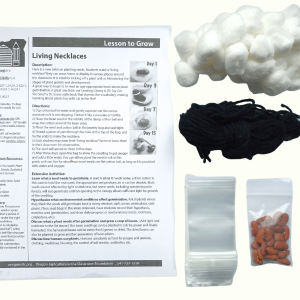
    Living Necklace Kit

    Grow your own necklace! This kit contains materials for your students to plant a seed in a jewel bag attached to yarn, thus creating a "living necklace." Given time and water, the necklace will be alive with a growing sprout in a few days. An excellent activity for teaching plant growth requirements. Kit includes: yarn, cotton ball, bean seed and plastic bag. Click here for lesson plan.This kit does not need to be returned. This Kit Includes:Yarn, beans, jewel bags, cotton balls, and a paper lesson planPlease put the number of students in your class in the quantity section at checkout to ensure the correct number of supplies gets to you.
  • SeedLogin to Hold

    Total Available: 4 (of 12)

    Must be returned

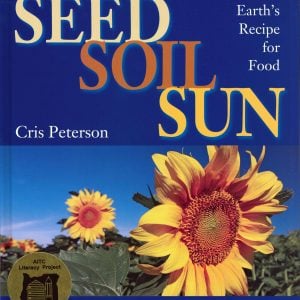
    Seed, Soil, Sun

    Cris Peterson

    Seed. Soil. Sun. With these simple ingredients, nature creates our food. This beautifully written book by Cris Peterson, brings both wonder and clarity to the subject of agriculture, celebrating the cycle of growth, harvest, and renewal. The photography that conveys this story is a perfect fit for this story. The companion book to the Seed, Soil, Sun lesson plan and the Seed, Soil, Sun Kit. Please check the kit out separately.
  • The Art of Food: Plant Pigments and TanninsLogin to Hold

    Total Available: 6 (of )

    Does not need to be returned

    The Art of Food: Plant Pigments and Tannins

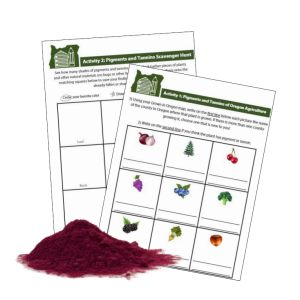
    When we think of farmers in Oregon producing popular crops such as beets, blueberries, hazelnuts, onions, and grapes, we might not first think of art supplies. However, these food crops, along with many other plant materials, often find their way into the art studio! Many paints, drawing tools, and fabric dyes contain pigments and tannins, which come from agricultural commodities, even rock and soil! This lesson allows students to utilize foods and other plant materials to discover exciting, naturally occurring colors growing in their gardens or school yards.

    Download Lesson Plan here: The Art of Food Plant Pigments and Tannins
  • Chinook Rubber Fish ReplicasLogin to Hold

    Total Available: 2 (of 4)

    Must be returned

    Chinook Rubber Fish Replicas

    Get Oregonized

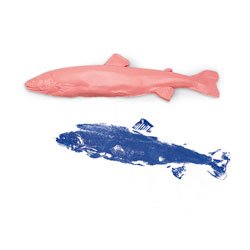
    After studying fish and their lifecycles in Oregon's Interior Valleys (chapter 7) in the Get Oregonized text, rubber fish replicas allow students to create beautiful Gyotaku (fish prints). These rubber fish replicas are of chinook salmon, perfect for after a lesson on the state fish!We currently have 2 fish available in our Washington County office.Please reach out to our current Washington County Programs Coordinator to check out this item, or to have them lead the activity in your classroom! 
  • Farm web kitLogin to Hold

    Total Available: 24 (of 200)

    Does not need to be returned

    My Farm Web Kit

    Students use the visual representation of a web to explore the role of agriculture in their daily lives and understand how most of the necessities of life can be traced back to the farm. This kit includes: six student kits with cards and string. This kit does not need to be returned. 
  • Oregon Caneberries Poster

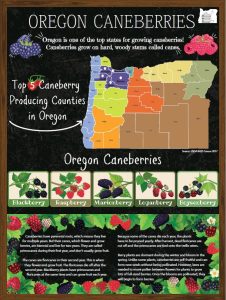
    This 1-sided 18x24" poster features Oregon caneberries.
  • A Weed is a FlowerLogin to Hold

    Total Available: 1 (of 2)

    Must be returned

    A Weed is a Flower

    ALIKI

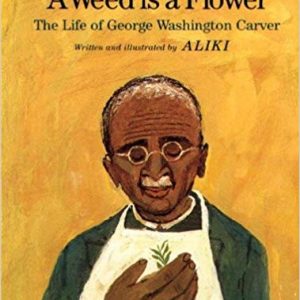
    George Washington Carver often said that a weed is a flower growing in the wrong place. He might have said this about himself. As the child of slaves, he grew up eager to learn, but was unable to find a school in his neighborhood that would accept black students. It was twenty years before he had enough money saved to go to college, but eventually George Washington Carver became a professor at the Tuskegee Institute in Alabama. There he was able to teach poor farmers the value of plants such as the sweet potato and the peanut - crops that were almost unknown at the time, but for which he invented hundreds of uses.Written and illustrated with affection for "a wonderful man who devoted his whole life to making life better for others," Aliki's biography tells the remarkable story of a great figure in African American history who is now recognized as the most prominent Black scientist of the early twentieth century. This book needs to be returned. 
  • Achoo! Why Pollen CountsLogin to Hold

    Total Available: 2 (of 2)

    Must be returned

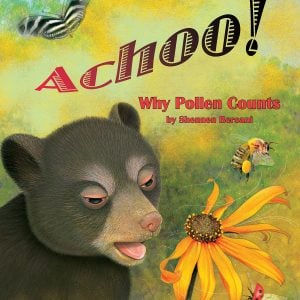
    Achoo! Why Pollen Counts

    Shennen Bersani

    Spring has arrived and pollen is in the air. Baby Bear does not like the pollen-it sticks to his fur and makes him itchy and sneezy. He’s allergic! Achoo! He just wishes the pollen were gone. When his friends gather to tell him why they need pollen, Baby Bear learns that pollen is good for the forest and provides food for many animals, including him! Pollen might be something we all love to hate, but can we really live without it? This story explains why we need it. This title is also available in Spanish.
  • Achiss! La Importancia de PolenLogin to Hold

    Total Available: 2 (of 2)

    Must be returned

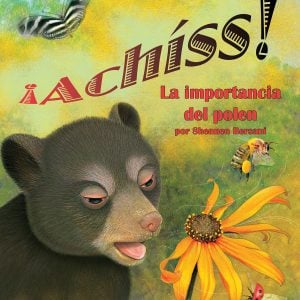
    Achiss! La Importancia de Polen

    Shennen Bersani

    La primavera ha llegado y el polen se siente en el aire. Al bebé Oso no le gusta el polen - se le pega en su pelaje y lo hace tener comezón y estornudar. ¡Él es alérgico! ¡Achís! Desearía que el polen no existiera. Cuando sus amigos se reúnen para decirle por qué nececitan el polen, el bebé Oso aprende que el polen es bueno para el bosque y que provee alimento para muchos animales, ¡que lo incluyen a él! El polen puede ser algo que todos odiemos pero, ¿realmente podemos sobrevivir sin él? Esta historia explica por qué lo necesitamos.