Oregon Agriculture in the Classroom Logo

Featured Resources

Categories

Type

Grade Level

  • I Love StrawberriesLogin to Hold

    Total Available: 6 (of )

    Must be returned

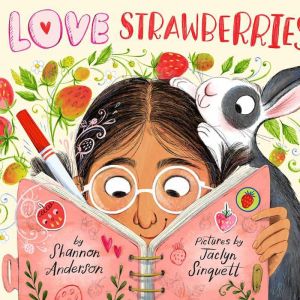
    I Love Strawberries

    Shannon Anderson

    Jolie LOVES strawberries - and she’s on an unstoppable mission to grow her own food from seedling to table in this colorful introduction to the joy of growing the popular perennial. Through Jolie’s comical scrapbook-style journal entries, young readers will learn how she convinces the “old people” (aka her parents) to let her grow her own strawberries. Growing strawberries is a lot of work and responsibility, but Jolie is ready to find out just how delicious, rewarding, and sometimes complicated it can be to grow your own food.

    This book must be returned.See product webpage on Feeding Minds Press to access teaching resources and coloring pages: https://www.feedingmindspress.com/our-books/i-love-strawberries 
  • Desktop GreenhousesLogin to Hold

    Total Available: 9 (of )

    Does not need to be returned
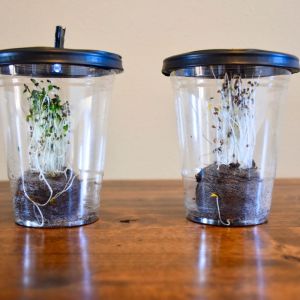
    Desktop Greenhouses

    Students investigate the importance of light to plants by creating a desktop greenhouse investigation and exploring the process of photosynthesis. This kit includes materials for six groups of students.For more resources and lesson plan: Desktop Greenhouses
  • Gardening with Less WaterLogin to Hold

    Total Available: 1 (of )

    Must be returned

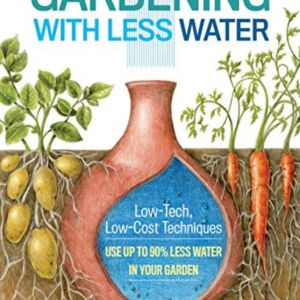
    Gardening with Less Water

    David A. Bainbridge

    Gardening with Less Water offers simple, inexpensive, low-tech techniques for watering your garden much more efficiently — using up to 90 percent less water for the same results. With illustrated step-by-step instructions, David Bainbridge shows you how to install buried clay pots and pipes, wicking systems, and other porous containers that deliver water directly to a plant’s roots with little to no evaporation. These systems are available at hardware stores and garden centers; are easy to set up and use; and work for garden beds, container gardens, and trees.This book would be an excellent resource for 6th-12th grade educators looking to provide water conservation engineering challenges for their students.This book must be returned.
  • AgBadging Field GuideLogin to Hold

    Total Available: 369 (of 70)

    Does not need to be returned
    AgBadging Field Guide

    The AgBadging Field Guide leads students through an in-depth exploration of agriculture. Students have the opportunity to obtain five badges while learning about the food, fiber and resources that support our daily lives.This resource is intended for homeschool only. 
  • Living Necklace KitLogin to Hold

    Total Available: 30 (of 1000)

    Does not need to be returned
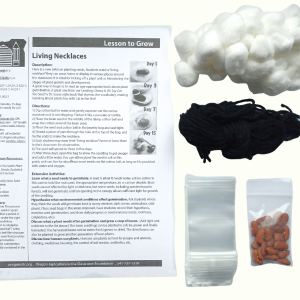
    Living Necklace Kit

    Grow your own necklace! This kit contains materials for your students to plant a seed in a jewel bag attached to yarn, thus creating a "living necklace." Given time and water, the necklace will be alive with a growing sprout in a few days. An excellent activity for teaching plant growth requirements. Kit includes: yarn, cotton ball, bean seed and plastic bag. Click here for lesson plan.This kit does not need to be returned. This Kit Includes:Yarn, beans, jewel bags, cotton balls, and a paper lesson planPlease put the number of students in your class in the quantity section at checkout to ensure the correct number of supplies gets to you.
  • SeedLogin to Hold

    Total Available: 5 (of 12)

    Must be returned

    Seed, Soil, Sun

    Cris Peterson

    Seed. Soil. Sun. With these simple ingredients, nature creates our food. This beautifully written book by Cris Peterson, brings both wonder and clarity to the subject of agriculture, celebrating the cycle of growth, harvest, and renewal. The photography that conveys this story is a perfect fit for this story. The companion book to the Seed, Soil, Sun lesson plan and the Seed, Soil, Sun Kit. Please check the kit out separately.
  • Achoo! Why Pollen CountsLogin to Hold

    Total Available: 1 (of 2)

    Must be returned

    Achoo! Why Pollen Counts

    Shennen Bersani

    Spring has arrived and pollen is in the air. Baby Bear does not like the pollen-it sticks to his fur and makes him itchy and sneezy. He’s allergic! Achoo! He just wishes the pollen were gone. When his friends gather to tell him why they need pollen, Baby Bear learns that pollen is good for the forest and provides food for many animals, including him! Pollen might be something we all love to hate, but can we really live without it? This story explains why we need it. This title is also available in Spanish.
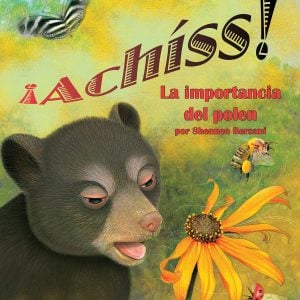
  • Achiss! La Importancia de PolenLogin to Hold

    Total Available: 2 (of 2)

    Must be returned

    Achiss! La Importancia de Polen

    Shennen Bersani

    La primavera ha llegado y el polen se siente en el aire. Al bebé Oso no le gusta el polen - se le pega en su pelaje y lo hace tener comezón y estornudar. ¡Él es alérgico! ¡Achís! Desearía que el polen no existiera. Cuando sus amigos se reúnen para decirle por qué nececitan el polen, el bebé Oso aprende que el polen es bueno para el bosque y que provee alimento para muchos animales, ¡que lo incluyen a él! El polen puede ser algo que todos odiemos pero, ¿realmente podemos sobrevivir sin él? Esta historia explica por qué lo necesitamos.
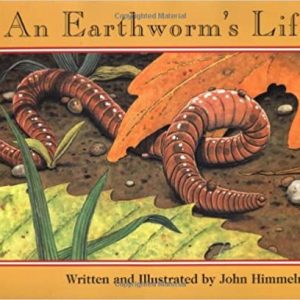
  • An Earthworm's LifeLogin to Hold

    Total Available: 1 (of 4)

    Must be returned

    An Earthworm’s Life

    John Himmelman

    Have you ever wondered how many nature's smallest creatures spend their days? Here's your chance to take a scientifically accurate peek at the world from their point of view. This book will need to be returned.
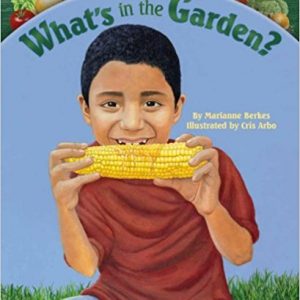
  • What's in the Garden?Login to Hold

    Total Available: 1 (of 1)

    Must be returned

    What’s in the Garden?

    Marianne Berkes

    Good food doesn't begin on a store shelf with a box. It comes from a garden bursting with life, color, sounds, smells, sunshine, moisture, birds, and bees! Healthy food becomes much more interesting when children know where they come from. So what's in the garden? Kids will find a variety fruits and vegetables, and a tasty, kid-friendly recipe for each one to start a lifetime of good eating. A food for thought section presents interesting facts about each fruit and vegetable, and a how does your garden grow? section explains facts about gardening and the parts of plants.
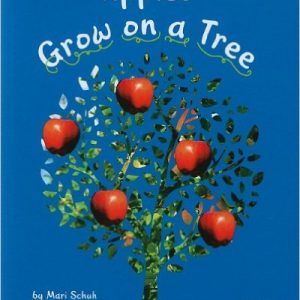
  • Apples Grow on a TreeLogin to Hold

    Total Available: 1 (of 4)

    Must be returned

    Apples Grow on a Tree

    Mari Schuh

    Simple text and photographs describe how apples grow on trees. This book needs to be returned. 
  • Apples of Your EyeLogin to Hold

    Total Available: 5 (of 5)

    Must be returned

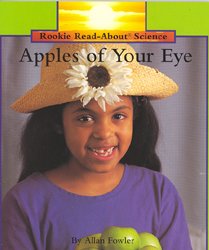
    Apples of Your Eye

    Allan Fowler

    This book gives you a taste of how farmers manage apple orchards. From soil-type to grafting new trees to harvesting the apples, you'll see apples up-close and personal. This book needs to be returned. 
  • Berries to Jelly - Welcome BooksLogin to Hold

    Total Available: 3 (of 4)

    Must be returned

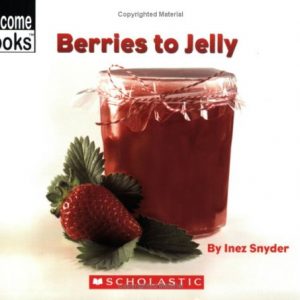
    Berries to Jelly – Welcome Books

    Inez Snyder

    Watch step by step as berries are turned into jelly! With clear photos you could make your own jelly. Vocabulary words in this book include: berries, boil, jelly, lids, stirred, strained, sugar, and sweet. This book will need to be returned.
  • BusyLogin to Hold

    Total Available: 3 (of 4)

    Must be returned

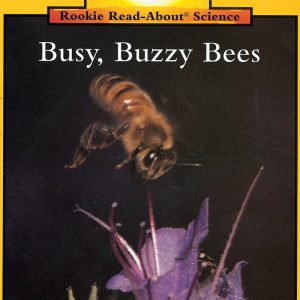
    Busy, Buzzy Bees

    Allan Fowler

    Learn interesting facts about bees — including the different jobs they do, how they make honey, and how they help flowers grow. This book will need to be returned.
  • Carrots Grow UndergroundLogin to Hold

    Total Available: 2 (of 4)

    Must be returned

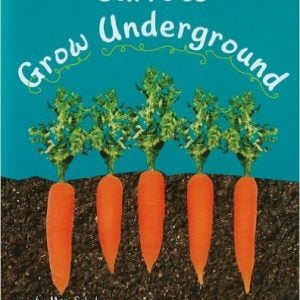
    Carrots Grow Underground

    Mari Schuh

    Simple text and photographs describe how carrots grow underground. This book needs to be returned. 
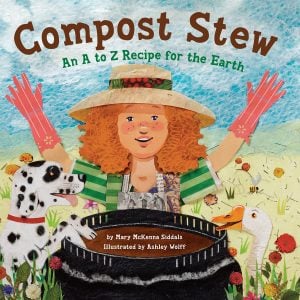
  • Compost StewLogin to Hold

    Total Available: 1 (of 2)

    Must be returned

    Compost Stew

    Mary McKenna Siddals

    Kids everywhere can help the environment! Not only is composting becoming more common in households and residential gardens, but many school gardens feature compost piles, too. But how do you start a compost pile? What’s safe to include? Perfect for an Earth Day focus or year-round reference, this inviting book provides all the answers for kids and families looking for simple, child-friendly ways to help the planet.