Oregon Agriculture in the Classroom Logo

Featured Resources

Categories

Type

Grade Level

  • Grains Seed BankLogin to Hold

    Total Available: 1 (of )

    Must be returned

    Seed Bank: Great Grains

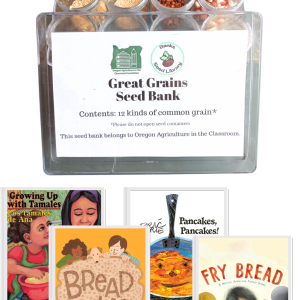
    This Washington County exclusive seed bank curriculum kit gives K-5th* grade classes the opportunity to get to know common grains through stories, lessons, and hands-on learning. This curriculum kit includes a seed bank with 12 types of common grains, 4 children's books about people using grains, a class set of 18 loupes, and links to 4 grain-related lessons from National Agriculture in the Classroom. This seed bank is created in partnership with the Banks Seed Library.*Note that included books are best suited to grades K-2 (though there is no age limit to enjoying the books), but which can be utilized in 3rd-5th grade class as teaching tools for studying art and literature. Third through 5th grade teachers may also opt out of receiving the books.Once you have placed your order at check out, the Washington County Programs Coordinator will be in contact with you to confirm your grade and best delivery method.This kit is available for 4 weeks, and all items contained must be returned.
  • Pancakes, Pancakes! book coverLogin to Hold

    Total Available: 1 (of )

    Must be returned

    Pancakes, Pancakes!

    Eric Carle

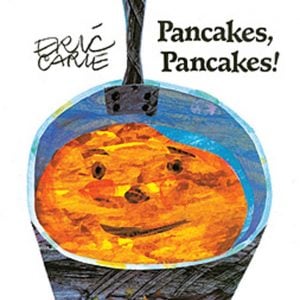
    Pancakes, Pancakes! by children's author and artist Eric Carle is about a boy named Jack who wakes up hungry and wants some pancakes for breakfast. BUT, first Jack has to gather wheat from the farmer, flour from the miller, eggs from the chickens, and milk from the cow. The companion book to the Breakfast Relay lesson plan and the Breakfast Relay Kit. Please check the kit out separately. This book needs to be returned. 
  • Bread lab book coverLogin to Hold

    Total Available: 1 (of )

    Must be returned

    Bread Lab

    Kim Binczewski

    It’s a sleepy Saturday morning for most people, but not for Iris, who has to feed her many pets before Aunt Mary arrives. Iris likes to call Aunt Mary “Plant Mary” because she is a plant scientist.Today Aunt Mary wants to experiment with making whole wheat sourdough bread from scratch! As the family kitchen transforms into a bread lab, Iris is surprised that bread needs only four ingredients―flour, water, salt and starter. She also learns about the invisible microbes that make the dough rise, and how flour comes from wheat grown by farmers. It all seems magical, but it’s really science. This book needs to be returned. 
  • Seed to Stove book coverLogin to Hold

    Total Available: 1 (of )

    Must be returned

    Seed to Stove

    Julie Knutson

    Follow farmer and producer Andrea Hazzard as she takes her Hazzard Free Farm grains from farm to table and discover all the ways small scale farmers contribute to what we eat--and how we live! Aligned to curriculum standards, these books also highlight key 21st Century content: Global Awareness, Financial Literacy, Health and Wellness, Civics Literacy, and Environmental Stewardship. This book must be returned.
  • OAITC grain millLogin to Hold

    Total Available: 2 (of )

    Must be returned

    Grain Mill

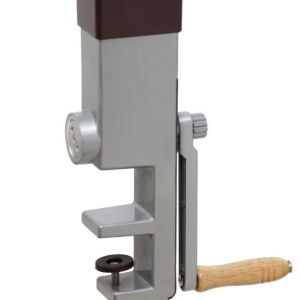
    From grain to flour in your hands! Help students explore where bread, pastries, noodles, tortillas, and other grain-based foods begin by grinding grains right in your classroom. This hands-on grain mill connects agriculture to everyday food while encouraging curiosity about the process of growing, harvesting, and preparing grain. Students will see, touch, and process grains as they turn the hand-cranked grain mill to transform grain into a food-prep ready state.Includes instructions and all 7 parts (please check to ensure you have included all parts when returning mill). Clamps easily to desk or table.Recommended grains for grinding:
    • Wheat varieties: Hard and soft wheat, spelt, einkorn, kamut, and emmer.
    • Common grains: Rye, barley, brown and white rice, and oat groats.
    • Pseudograins & millets: Quinoa, buckwheat, millet, amaranth, and teff.
    • Legumes & corn: Dried corn, lentils, chickpeas, and black beans.
    NOT recommended due to oils or structure which may damage mill or result in difficult to clean messes:
    • Oily seeds: Flax seeds, chia seeds, and sesame seeds.
    • Nuts and coffee: Peanuts, almonds, coffee beans, and spices.
    • Wet or sticky items: High-moisture or fresh-picked field corn.
    How to use video: Grain Mill - VKP1012 - YouTubeIf you like this product and would like to purchase a grain mill kit for your classroom, we recommend checking out National Agriculture in the Classroom: Grain Mill - AgClassroomStore at USU3-week checkout. This item must be returned to the Washington County OAITC office.  
  • Udder to Cheddar bookLogin to Hold

    Total Available: 1 (of )

    Must be returned

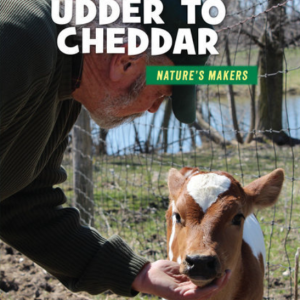
    Udder to Cheddar

    Julie Knutson

    Follow the folks as Highfield Farm Creamery as they make some of the country's best cheeses and discover all the ways small scale farmers contribute to what we eat--and how we live! Aligned to curriculum standards, these books also highlight key 21st Century content: Global Awareness, Financial Literacy, Health and Wellness, Civics Literacy, and Environmental Stewardship. Thought-provoking questions and hands-on activities encourage the development of critical life skills and social emotional growth.This book must be returned.
  • Garden to Table bookLogin to Hold

    Total Available: 4 (of )

    Must be returned

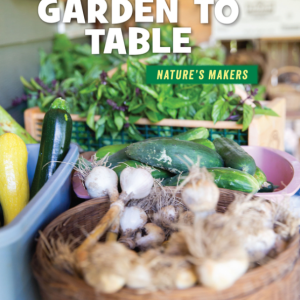
    Garden to Table

    Julie Knutson

    Follow farmer Tim Redmond of Skinny Farm of Scio as he takes produce from farm to table and discover all the ways small scale farmers contribute to what we eat--and how we live! Aligned to curriculum standards, these books also highlight key 21st Century content: Global Awareness, Financial Literacy, Health and Wellness, Civics Literacy, and Environmental Stewardship. Thought-provoking questions and hands-on activities encourage the development of critical life skills and social emotional growth. This book must be returned.
  • We Are Water Protectors bookLogin to Hold

    Total Available: 1 (of )

    Must be returned

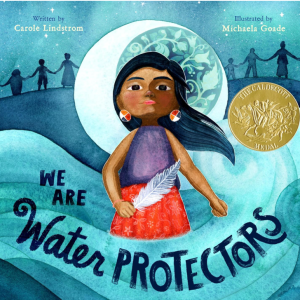
    We Are Water Protectors

    Carole Lindstrom

    We Are Water Protectors honors Indigenous-led movements across the world. Powerfully written and gorgeously illustrated, this book issues an urgent rallying cry to safeguard the Earth’s water from harm and corruption―inviting young readers everywhere to join the fight.This book must be returned.
  • Pollen: Darwin's 130-Year Prediction bookLogin to Hold

    Total Available: 1 (of )

    Must be returned

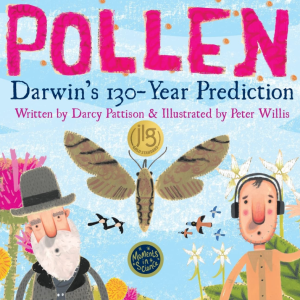
    Pollen: Darwin’s 130-Year Prediction

    Darcy Pattison

    How long does it take for science to find an answer to a problem? On January 25, 1862, naturalist Charles Darwin received a box of orchids. One flower, the Madagascar star orchid, fascinated him. It had an 11.5" nectary, the place where flowers make nectar, the sweet liquid that insects and birds eat. How, he wondered, did insects pollinate the orchid? It took 130 years to find the answer. This book must be returned.
  • Outdoor Farm, Indoor Farm KitLogin to Hold

    Total Available: 10 (of )

    Does not need to be returned

    Outdoor Farm, Indoor Farm Kit

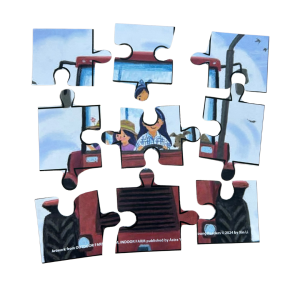
    With the 2025 Literacy Project, explore how food grows both outdoors and indoors with best friends Emma and Efram in this lively, rhyming picture book. With vibrant illustrations and catchy verse, learn how farms thrive—no matter the season or settings! g! Follow the reading with an engaging activity that tests students’ knowledge on indoor and outdoor farms. Please check out the book separately. Click here for the lesson plan! This item does not need to be returned.  
  • Cows, Corrals, and Innovation KitLogin to Hold

    Total Available: 34 (of )

    Does not need to be returned

    Cows, Corrals, and Innovation Kit

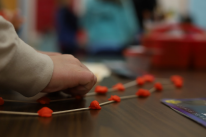
    Explore the natural behaviors of cattle and engineer a handling system with guidance from Temple Grandin, renowned animal scientist. Students will be challenged to build a corral system using simple materials to move cattle. Please check out this book separately. Playdough, marbles, toothpicks and lesson plan will be provided.  Click here for lesson plan. This lesson does not need to be returned. 
  • Beef By-Products Source RelayLogin to Hold

    Total Available: 41 (of )

    Does not need to be returned

    Beef By-Products Source Relay

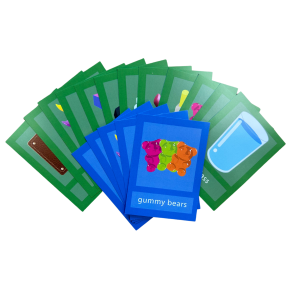
    Many students think products simply come from factories or stores. This hands-on activity helps students understand that before an item ever leaves a factory or enters a store, it begins as a resource or product in the natural world. More specifically, these products can all be traced back to one unassuming animal, the cow! In the Beef By-Product Source Relay, students will work in teams and run a relay race where they will quickly decide the source of a product and then race to place it into one of the buckets marked Factory, Farm, Store, Earth, or Cow.
  • Eggs: Supply and DemandLogin to Hold

    Total Available: 49 (of )

    Does not need to be returned

    Eggs: Supply and Demand

    In this lesson, students are introduced to the concepts of supply and demand as it pertains to the school kitchen. Students will explore factors affecting egg production and how supply and demand influence the price and availability of eggs. Students will role-play as poultry farmers and egg consumers to analyze real-world scenarios, observe the impact on egg supply, and make suggestions to their school’s kitchen staff. Supply and Demand in Egg Production (3-5)Egg Supply Game Report Cards
  • Desktop GreenhousesLogin to Hold

    Total Available: 13 (of )

    Does not need to be returned

    Desktop Greenhouses

    Students investigate the importance of light to plants by creating a desktop greenhouse investigation and exploring the process of photosynthesis. This kit includes materials for six groups of students.For more resources and lesson plan: Desktop Greenhouses
  • Outdoor Farm, Indoor FarmLogin to Hold

    Total Available: 10 (of )

    Must be returned

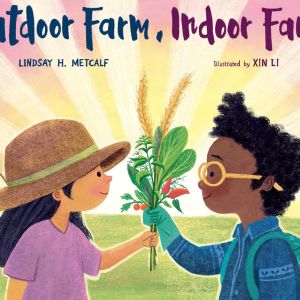
    Outdoor Farm, Indoor Farm

    Lindsay H. Metcalf

    Discover how both outdoor and indoor farms sustainably grow the food we eat throughout the year in this vibrant, rhyming picture book.Outdoor farm, tractors toil.Indoor farm, zero soil.With energetic, enchanting verse and sunshiny, colorful illustrations, discover how the food you eat is grown both outside—and inside! Join two children as they explore the inner workings of an outdoor farm and an indoor farm. You’ll see how a variety of amazing machinery like tractors and drones along with innovative farming techniques yield the wonderful food we all love to enjoy.This book must be returned.
  • Science in Your Shopping CartLogin to Hold

    Total Available: 25 (of )

    Does not need to be returned

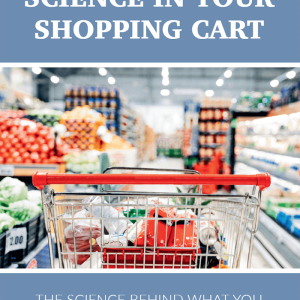
    Science in Your Shopping Cart

    Science in Your Shopping Cart shows us just how much science is behind the everyday items we use, eat, and wear. In the United States, we pay less for food than almost any other country. Every year, researchers introduce dozens of new and improved varieties of fruits, vegetables, and other products. But as we walk through the grocery store, do we ever stop to think about where this incredible abundance and variety comes from? This book helps us understand the science that makes it all possible.