Oregon Agriculture in the Classroom Logo

Featured Resources

Categories

Type

Grade Level

  • Outdoor Farm, Indoor FarmLogin to Hold

    Total Available: 10 (of )

    Must be returned

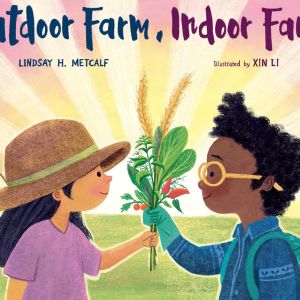
    Outdoor Farm, Indoor Farm

    Lindsay H. Metcalf

    Discover how both outdoor and indoor farms sustainably grow the food we eat throughout the year in this vibrant, rhyming picture book.Outdoor farm, tractors toil.Indoor farm, zero soil.With energetic, enchanting verse and sunshiny, colorful illustrations, discover how the food you eat is grown both outside—and inside! Join two children as they explore the inner workings of an outdoor farm and an indoor farm. You’ll see how a variety of amazing machinery like tractors and drones along with innovative farming techniques yield the wonderful food we all love to enjoy.This book must be returned.
  • AgBadging Field GuideLogin to Hold

    Total Available: 369 (of 70)

    Does not need to be returned

    AgBadging Field Guide

    The AgBadging Field Guide leads students through an in-depth exploration of agriculture. Students have the opportunity to obtain five badges while learning about the food, fiber and resources that support our daily lives.This resource is intended for homeschool only. 
  • PlaceholderLogin to Hold

    Total Available: 1 (of 1)

    Must be returned

    Plant Life

    Peter Riley

    This series is an introduction to the key science subjects, explaining the main scientific principles and showing how they work. Plant Life details the variety of plants in the world and how they grow and fertilize.'This book must be returned
  • SeedLogin to Hold

    Total Available: 5 (of 12)

    Must be returned

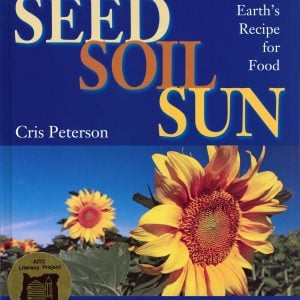
    Seed, Soil, Sun

    Cris Peterson

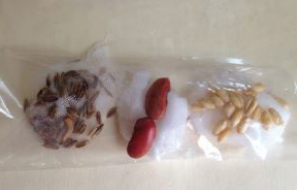
    Seed. Soil. Sun. With these simple ingredients, nature creates our food. This beautifully written book by Cris Peterson, brings both wonder and clarity to the subject of agriculture, celebrating the cycle of growth, harvest, and renewal. The photography that conveys this story is a perfect fit for this story. The companion book to the Seed, Soil, Sun lesson plan and the Seed, Soil, Sun Kit. Please check the kit out separately.
  • The Art of Food: Plant Pigments and TanninsLogin to Hold

    Total Available: 30 (of )

    Does not need to be returned

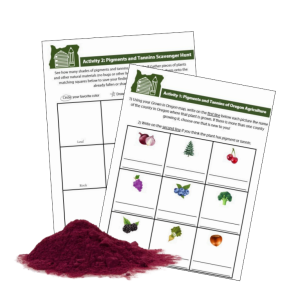
    The Art of Food: Plant Pigments and Tannins

    When we think of farmers in Oregon producing popular crops such as beets, blueberries, hazelnuts, onions, and grapes, we might not first think of art supplies. However, these food crops, along with many other plant materials, often find their way into the art studio! Many paints, drawing tools, and fabric dyes contain pigments and tannins, which come from agricultural commodities, even rock and soil! This lesson allows students to utilize foods and other plant materials to discover exciting, naturally occurring colors growing in their gardens or school yards.

    Download Lesson Plan here: The Art of Food Plant Pigments and Tannins
  • A Weed is a FlowerLogin to Hold

    Total Available: 1 (of 2)

    Must be returned

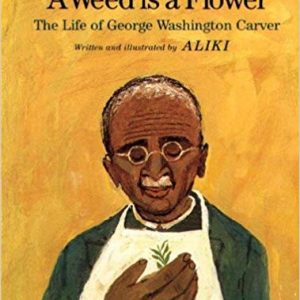
    A Weed is a Flower

    ALIKI

    George Washington Carver often said that a weed is a flower growing in the wrong place. He might have said this about himself. As the child of slaves, he grew up eager to learn, but was unable to find a school in his neighborhood that would accept black students. It was twenty years before he had enough money saved to go to college, but eventually George Washington Carver became a professor at the Tuskegee Institute in Alabama. There he was able to teach poor farmers the value of plants such as the sweet potato and the peanut - crops that were almost unknown at the time, but for which he invented hundreds of uses.Written and illustrated with affection for "a wonderful man who devoted his whole life to making life better for others," Aliki's biography tells the remarkable story of a great figure in African American history who is now recognized as the most prominent Black scientist of the early twentieth century. This book needs to be returned. 
  • Agricultural DronesLogin to Hold

    Total Available: 1 (of 2)

    Must be returned

    Agricultural Drones

    Simon Rose

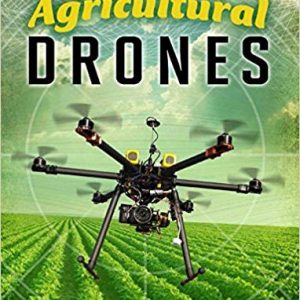
    Farm fields can span hundreds of acres. With so much area to cover, checking crops and livestock can be difficult. But with an agricultural drone, this job becomes much simpler. Young readers will discover how drones help farmers maximize efficiencies and bring abundant harvests. This book needs to be returned. 
  • Bread LabLogin to Hold

    Total Available: 1 (of 1)

    Must be returned

    Bread Lab

    Kim Binczewski & Bethany Econopouly

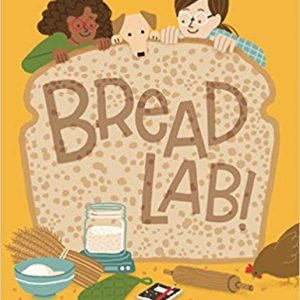
    It’s a sleepy Saturday morning for most people, but not for Iris, who has to feed her many pets before Aunt Mary arrives. Iris likes to call Aunt Mary “Plant Mary” because she is a plant scientist.Today Aunt Mary wants to experiment with making whole wheat sourdough bread from scratch! As the family kitchen transforms into a bread lab, Iris is surprised that bread needs only four ingredients―flour, water, salt and starter. She also learns about the invisible microbes that make the dough rise, and how flour comes from wheat grown by farmers. It all seems magical, but it’s really science. This book needs to be returned. 
  • ChoiceLogin to Hold

    Total Available: 3 (of 3)

    Must be returned

    Choice, Control, and Change

    Pamela A. Koch

    Middle school students learn science through studying diet and activity choices. They learn about how the human body works, and how food and activity play a role in its well-being. Students engage in hands-on investigations of food preference, our food environment, energy intake and expenditure, lifestyle-related diseases, and more. Finally, they explore and analyze their personal food choices through scientific reasoning and apply what they have learned to personal decisions related to their diet, physical activity, and overall health.
  • Compost StewLogin to Hold

    Total Available: 1 (of 2)

    Must be returned

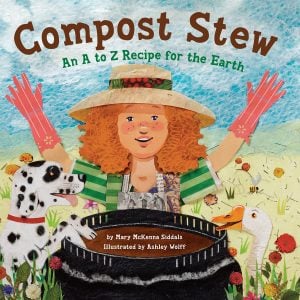
    Compost Stew

    Mary McKenna Siddals

    Kids everywhere can help the environment! Not only is composting becoming more common in households and residential gardens, but many school gardens feature compost piles, too. But how do you start a compost pile? What’s safe to include? Perfect for an Earth Day focus or year-round reference, this inviting book provides all the answers for kids and families looking for simple, child-friendly ways to help the planet.
  • PlaceholderLogin to Hold

    Total Available: 4 (of )

    Does not need to be returned

    Columbian Exchange Kit

    Students explore New World and Old World food origins to discover how the Columbian Exchange altered people’s lives worldwide. This kit includes materials for six groups of students. Includes map and food product cards including banana, avocado, celery, peas, vanilla, wheat, cattle, black pepper, and more!
  • Wangari Maathai: The Woman who Planted Millions of TreesLogin to Hold

    Total Available: 2 (of 2)

    Must be returned

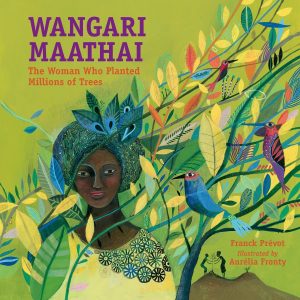
    Wangari Maathai: The Woman who Planted Millions of Trees

    Franck Prevot

    Wangari Maathai received the Nobel Peace Prize in 2004 for her efforts to lead women in a nonviolent struggle to bring peace and democracy to Africa through its reforestation. Her organization planted over thirty million trees in thirty years. This beautiful picture book tells the story of an amazing woman and an inspiring idea.
  • Ellie's Log - Exploring the Forest Where the Great Tree FellLogin to Hold

    Total Available: 5 (of 5)

    Must be returned

    Ellie’s Log – Exploring the Forest Where the Great Tree Fell

    Judith L. Li

    After a huge tree crashes to the ground during a winter storm, ten-year-old Ellie and her new friend, Ricky, explore the forest where Ellie lives. Together, they learn how trees provide habitat for plants and animals high in the forest canopy, down among mossy old logs, and deep in the pools of a stream. The plants, insects, birds, and mammals they discover come to life in colored pen-and-ink drawings.This book needs to be returned. Full Teacher's Guide for Ellie's Log- Exploring the Forest Where the Great Tree Fell:  http://osupress.oregonstate.edu/sites/default/files/B&W_Teacher's%20Guide.5.2013a.pdfFor more information and resources go to: http://ellieslog.org
  • Farm Anatomy Activities for Kids: FunLogin to Hold

    Total Available: 3 (of 5)

    Must be returned

    Farm Anatomy Activities for Kids: Fun, Hands-On Learning

    Dawn Alexander

    No matter where you live, you can learn all about the amazing things that happen on farms. Farm Anatomy Activities for Kids combines the joy of hands-on experiments and activities with easy-to-understand lessons that teach you all about farm life.This farm anatomy activity book helps you think more like a farmer and understand how nature, crops, and animals shape the way we live. You’ll learn about all the different parts of a farm, the plants and animals you might find there, and how farms create the food you eat and the material for the clothes you wear. This book will need to be returned. Farm Anatomy Activities for Kids includes:
    • Educational lessons―Learn about the various parts of a farm, how they raise plants and animals, and the ways farms connect to your daily life no matter where you live.
    • Ways to play―Try out cool experiments like growing crops without soil or making a mason bee house.
    • Journal prompts―Reflect on what you’ve learned about farm anatomy with the thoughtful writing prompts paired with each activity.
    Take kids on an educational journey down to the farm without ever leaving home.
  • Farm to Table and BeyondLogin to Hold

    Total Available: 3 (of 3)

    Must be returned

    Farm to Table and Beyond

    Pamela A. Koch

    This book covers our growing global food system. Students engage in hands-on investigations of the cycling of matter in nature and the human impact on this cycle, explore and analyze their personal nutrition choices through scientific reasoning, and apply their learning through discussions and debates.
  • From Egg to HoneybeeLogin to Hold

    Total Available: 2 (of 2)

    Must be returned

    From Egg to Honeybee

    Lisa Owings

    How do honeybees grow? Follow each step in the life cycle--from tiny eggs in the hive to busy bees making honey--in this interesting book!